
Taylor Sheridan has transformed from a working actor in projects like Sons of Anarchy to the undisputed titan of modern American television. As the architect of the sprawling "Sheridan-verse," his influence on the current landscape of prestige cable and streaming is unparalleled. However, alongside his mastery of writing and showrunning, Sheridan maintains a recurring habit that has become a hallmark of his production style: casting himself in his own projects.
Whether it is a fleeting cameo in a neo-Western feature or a recurring, pivotal role in a global spy thriller, Sheridan’s presence on screen is often as polarizing as his writing. While his supporters see a creator who understands his world from the inside out, critics often view these appearances as instances of vanity that occasionally derail the narrative momentum of his most popular shows. This analysis explores the trajectory of Sheridan as an actor-creator, ranking his self-portrayals and examining the implications of his creative choices.
The Evolution of a Creator: From "Charming" to the Dutton Ranch
To understand Sheridan’s desire to appear in his own works, one must look at his foundational years. Before he became the pen behind Sicario and Hell or High Water, Sheridan was a dedicated actor. His stint as Deputy Chief David Hale in the first two seasons of Kurt Sutter’s Sons of Anarchy provided him with a masterclass in ensemble drama and character-driven pacing.
This experience gave him a distinct advantage: he knows exactly what a performer needs from a scene. However, there is a fundamental difference between acting in someone else’s sandbox and writing your own. When Sheridan creates a character for himself, he is essentially writing a role that fits his specific, gravel-voiced, stoic, and rugged persona. While this consistency provides a sense of continuity across his filmography, it also invites scrutiny regarding the necessity of his presence.
Ranking the Sheridan Roles: A Hierarchy of Performance
Sheridan’s appearances range from blink-and-you-miss-it cameos to narrative-shifting roles. Below, we examine the hierarchy of these performances, analyzing how they fit into the broader tapestry of his storytelling.
4. The Unnamed Cowboy: Hell or High Water (2016)
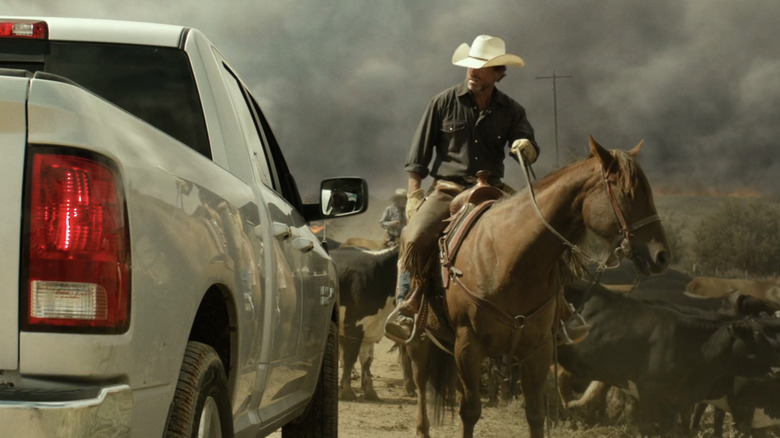
In the critically acclaimed Hell or High Water, Sheridan portrays a nameless cowboy whose role is functionally brief. The scene features the protagonist Rangers, Marcus Hamilton (Jeff Bridges) and Alberto Parker (Gil Birmingham), encountering a rancher struggling with the aftermath of a wildfire.
The character serves as an expositional device, grounding the audience in the bleak, harsh reality of the Texas panhandle. It is the quintessential Sheridan archetype: a weary, salt-of-the-earth man lamenting the loss of a way of life. While it lacks depth due to its brevity—appearing for roughly 30 seconds—it functions perfectly as a piece of world-building flavor. It is, ultimately, the least intrusive and most "background" of his performances, placing it at the bottom of our ranking.
3. Charles Goodnight: 1883 (2021)
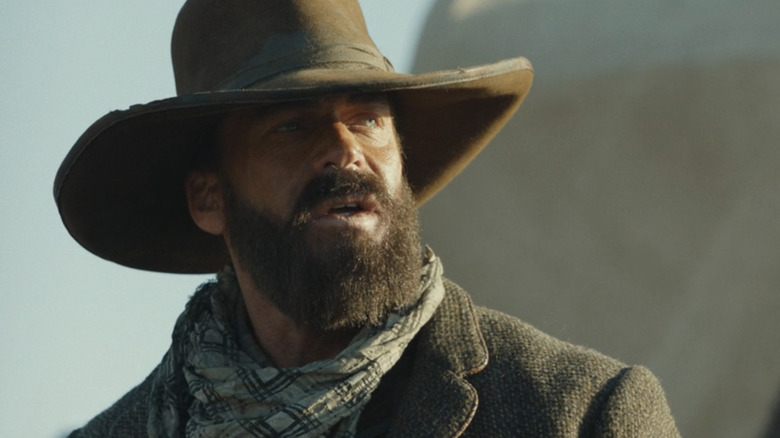
With the Yellowstone prequel 1883, Sheridan sought to chronicle the brutal origin of the Dutton dynasty. His turn as the historical figure Charles Goodnight serves a specific narrative purpose: bridging the gap between the chaotic, lawless frontier and the structured, albeit violent, reality the Duttons seek to build.
Sheridan’s performance here is marked by a deliberate, gravel-throated stoicism that plays well against the legendary Sam Elliott. He successfully captures the "frontier trailblazer" archetype, providing a sense of legitimacy to the historical setting. However, despite the gravitas, the character feels more like a stylistic indulgence—a nod to his own love for the genre—than a vital engine of the plot.
2. Travis Wheatley: Yellowstone (2018–Present)
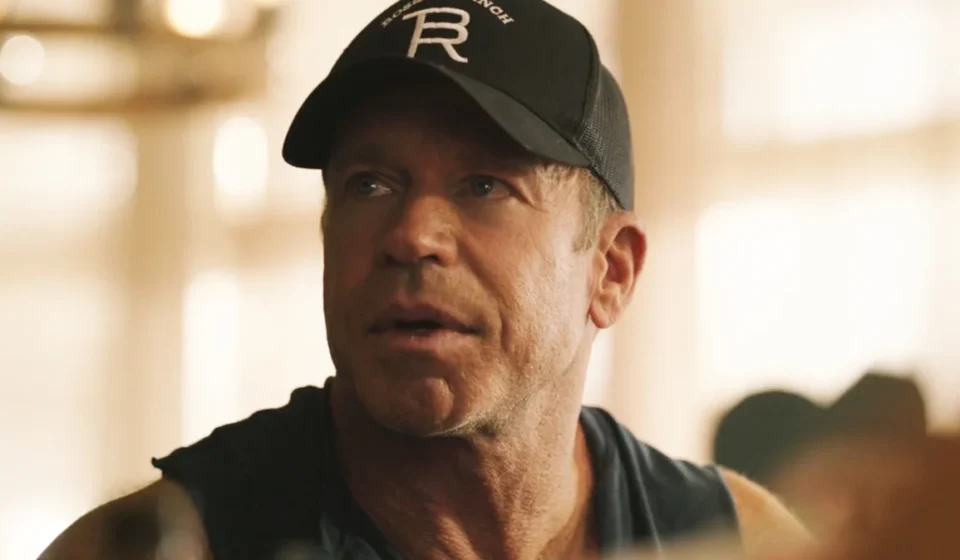
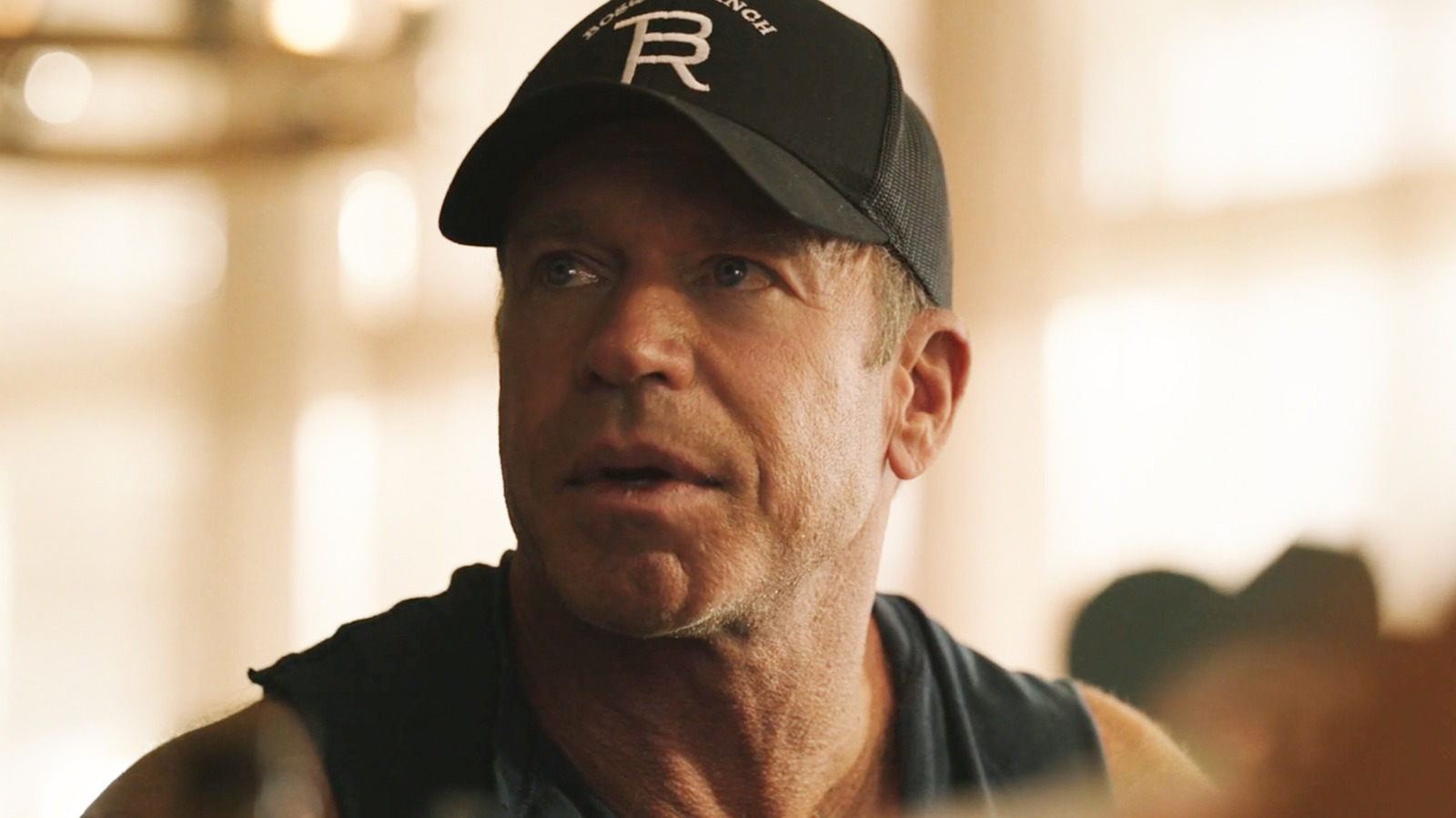
Perhaps no role has sparked as much debate as that of Travis Wheatley, the horse trainer who serves as an emissary for the Dutton family’s interests in the world of professional rodeo. Wheatley is the most prominent of Sheridan’s roles, and for many fans, he represents a turning point in the series’ reception.
The controversy surrounding Wheatley is twofold. On one hand, he embodies the technical expertise of the horse-reining world, which Sheridan is clearly passionate about. On the other, many viewers argued that as the seasons progressed, the focus on Wheatley’s horse-spinning sequences became a distraction from the core conflict of the Dutton family. By the fifth season, the frustration was palpable; fans felt the showrunner was prioritizing his personal interests over the narrative stakes. While Wheatley is undeniably charismatic, his presence highlights the inherent risks of a creator becoming a character.
1. Cody Spears: Lioness (2023–Present)
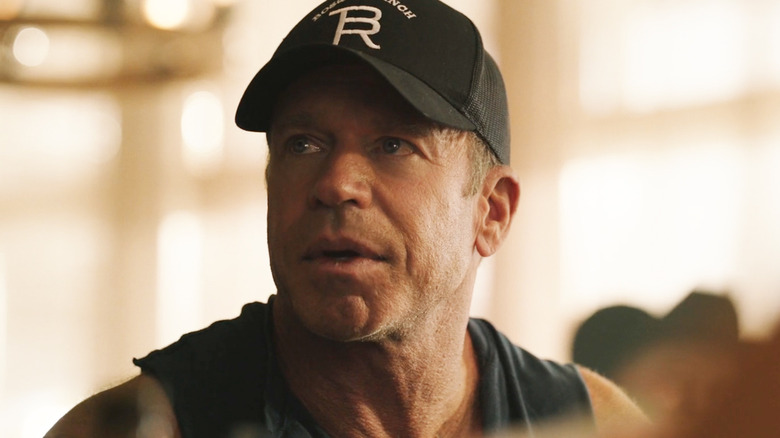
In the spy thriller Lioness, Sheridan finds his most effective balance as an actor. As Cody Spears, a Delta Force operator, he fits the mold of the hardened, hyper-competent operative that the series requires.
What elevates this role above his others is the restraint. Unlike his presence in Yellowstone, which felt like it was growing into a meta-narrative distraction, his role in Lioness feels earned. He is the seasoned professional who guides the protagonists through the dark, perilous world of international espionage. His cool, detached demeanor works in favor of the show’s tone, and because the role is limited to key, high-impact appearances, it never wears out its welcome. It is, by far, his most polished and purposeful performance.
The Implications of Self-Casting
The trend of "auteur-casting" is not unique to Taylor Sheridan—filmmakers from Quentin Tarantino to M. Night Shyamalan have famously inserted themselves into their work—but Sheridan’s approach is unique due to the sheer volume of content he produces.
Narrative Control and the "Dads in Mind" Critique
Critics often argue that Sheridan’s characters represent his idealization of masculinity. Whether it’s a cowboy or a special forces soldier, the roles share a DNA of stoicism and rugged individualism. This has fueled the "dad show" narrative, suggesting that Sheridan is essentially making television for an audience that reflects his own worldview. While this has been immensely successful commercially, it does lead to a degree of creative stagnation in character archetypes.
The Balancing Act
The primary risk for any showrunner who acts in their own production is the loss of objectivity. When a writer acts in a scene, they may be less likely to cut their own dialogue or shorten their screen time, even if it serves the story better. The backlash against the Travis Wheatley arc serves as a cautionary tale: the audience is often smarter than the creator gives them credit for, and they can tell when a plot point is designed to showcase the actor rather than serve the character’s arc.
The Case for the "Sheridan-verse"
Conversely, one could argue that Sheridan’s presence provides a unique form of continuity. In a vast, multi-series universe, having a recurring face—even in different roles—creates a sense of a "Sheridan-verse" that fans can latch onto. It mirrors the way old-school Hollywood directors often used a "stock company" of actors. Sheridan has simply decided that he is the most reliable member of his own stock company.
Conclusion: A Double-Edged Sword
Taylor Sheridan’s habit of appearing in his own work is a microcosm of his career: it is bold, uncompromising, and occasionally divisive. When it works—as seen in the grounded, professional portrayal of Cody Spears in Lioness—it adds texture and legitimacy to his world. When it falters—as seen in the extended rodeo sequences of Yellowstone—it serves as a reminder of the dangers of a creator having too much unchecked power.
Ultimately, Sheridan remains one of the most vital voices in modern television. Whether or not one approves of his on-screen cameos, there is no denying that he is building a legacy that few others can match. As he continues to expand his empire, the question will remain: will he continue to step in front of the camera, or will he eventually step back to let his characters take the lead? For now, the audience continues to watch, captivated by the man who writes, directs, and occasionally plays the hero of his own American epic.