October 2026 Unveils a Bountiful Harvest of Diverse Content on India’s Dynamic OTT Landscape

Mumbai, India – September 27, 2026 – As the calendar prepares to turn to October, India’s burgeoning Over-The-Top (OTT) streaming platforms are poised to unleash a fresh wave of captivating entertainment, catering to an increasingly diverse and discerning audience. The week spanning September 28 to October 4, 2026, marks a significant moment, with major players like Netflix, JioHotstar, Amazon Prime Video, and ZEE5 rolling out a robust slate of new films and series. This concentrated release window highlights the industry’s strategic efforts to capture viewership at the cusp of a new month, offering everything from blockbuster Japanese anime dubbed in Telugu to compelling regional films and Hindi series. The sheer variety underscores the sophisticated evolution of India’s digital entertainment ecosystem, where content transcends linguistic and geographical boundaries through astute localization and strategic acquisitions.
The upcoming releases represent a microcosm of the broader trends shaping the Indian OTT market: a relentless pursuit of original content, the growing prominence of regional cinema, the global appeal of international productions, and the strategic importance of dubbing to broaden audience reach. This week, viewers can anticipate a rich tapestry of narratives, ranging from high-octane action and drama to light-hearted family fare, ensuring there is something for every palate across the vast Indian subcontinent.
A Chronological Deep Dive into the Week’s Premieres
The meticulously curated list of releases for the last days of September and the first days of October 2026 reflects a calculated effort by platforms to provide continuous engagement and capitalize on varied viewing habits. From Monday’s global phenomenon to weekend binge-watching options, the schedule is packed.
September 28, 2026: A Global Anime Phenomenon Lands on Netflix
The week kicks off with a highly anticipated international offering, demonstrating Netflix’s commitment to delivering global content with local relevance.
- Demon Slayer: Kimetsu no Yaiba Infinity Castle I (Netflix – Japanese Blockbuster, Telugu Dub): The arrival of Demon Slayer: Kimetsu no Yaiba Infinity Castle I on Netflix is a testament to the surging popularity of Japanese anime in India. Demon Slayer is not merely a series; it is a global cultural phenomenon, celebrated for its breathtaking animation, intricate storytelling, and emotionally resonant character arcs. The "Infinity Castle" arc is one of the most pivotal and action-packed segments of the manga, promising an intense cinematic experience. Its release as a "blockbuster" suggests a feature-film adaptation or a special extended episode that has garnered significant theatrical attention internationally. The strategic decision to offer it with a Telugu dub is particularly noteworthy. While English subtitles have traditionally sufficed for international content, the provision of regional language dubs dramatically expands its accessibility, drawing in a new demographic of viewers who prefer consuming content in their native tongue. This move solidifies anime’s transition from a niche interest to a mainstream entertainment staple in the Indian market, particularly appealing to younger audiences and animation enthusiasts in the Telugu-speaking regions.
October 1, 2026: A Multi-Platform Rush of Diverse Content
The first day of October witnesses a significant influx of new titles across Netflix, Amazon Prime Video, and JioHotstar, showcasing a diverse range of genres and languages.
-
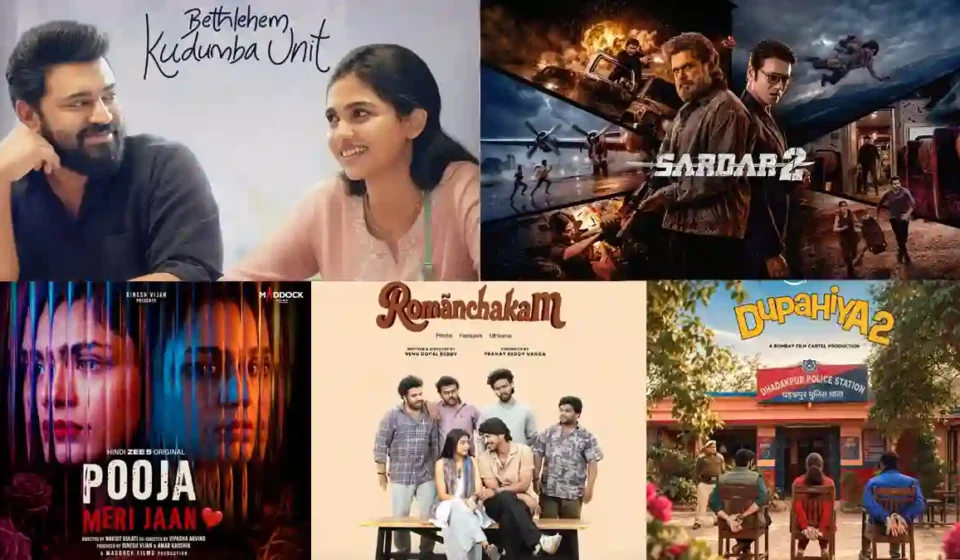
Romanchakam (Netflix – Telugu Film): This Telugu film’s premiere on Netflix highlights the platform’s robust investment in regional Indian cinema. Telugu cinema, often referred to as Tollywood, commands a massive following both domestically and internationally. Romanchakam, whose title loosely translates to "thrilling" or "exciting," suggests a film designed to engage audiences with suspense or high drama. Its direct-to-OTT release or post-theatrical window on a global platform like Netflix underscores the increasing importance of streaming services as a primary distribution channel for regional productions, allowing them to reach a broader, pan-Indian, and even global Telugu-speaking diaspora. The film’s genre and cast, while not specified in the original brief, are likely to appeal to the core Telugu audience base, offering a narrative rooted in local cultural nuances.
-
Chumbak Part 2 (Netflix – Hindi Series, Telugu Dub): The release of Chumbak Part 2 signifies the growing trend of serialized content and the power of sequels in the digital realm. As a Hindi series, its original target audience is national, but the inclusion of a Telugu dub further expands its potential viewership. This strategy is becoming commonplace for successful Hindi originals, allowing them to penetrate deeper into non-Hindi speaking markets. A "Part 2" suggests a compelling narrative that left audiences eager for more, indicating the success of its predecessor. The series likely delves into themes and storylines that resonate with a broad Indian audience, leveraging the episodic format to build character development and complex plots over time.
-
Ohh My Dog (Netflix – Hindi Film): A Hindi film release like Ohh My Dog typically aims for a wide appeal, often targeting family audiences or those seeking heartwarming and light-hearted content. The title itself suggests a narrative centered around pets, a genre that has historically found success due to its emotional resonance and universal themes of companionship and loyalty. Netflix’s continuous acquisition of Hindi films, both original productions and post-theatrical releases, is crucial for maintaining its dominant position in the Indian market, appealing to the largest linguistic demographic in the country. Such films contribute to the platform’s diverse library, offering a balance to its more intense or niche content.
-
Sardar 2 (Amazon Prime Video – Tamil Film, Telugu Dub): Amazon Prime Video’s offering, Sardar 2, is a significant addition, particularly for fans of Tamil cinema. The "2" in the title clearly indicates a sequel to a previously successful film, Sardar, which likely enjoyed critical acclaim or commercial success. Tamil cinema, or Kollywood, is renowned for its high production values, innovative storytelling, and powerful performances, attracting a devoted fan base. The release of a sequel directly on Prime Video or shortly after its theatrical run speaks to the platform’s strategy of securing high-profile regional content. The Telugu dub is a crucial element, allowing the film to tap into the substantial Telugu-speaking audience, bridging the linguistic divide and maximizing its reach across South India. This move highlights the competitive nature of content acquisition among OTT platforms, where exclusive access to popular sequels can significantly drive subscriptions and engagement.
-
Dupahiya Season 2 (Amazon Prime Video – Hindi Series): Another "Season 2" entry, Dupahiya (meaning ‘two-wheeler’ or ‘bike’), suggests a popular Hindi series returning with a new installment. The success of a first season is often a prerequisite for renewal, indicating that Dupahiya resonated with its audience. Streaming platforms heavily rely on successful returning series to retain subscribers and build dedicated fan bases. The narrative themes of Dupahiya could range from slice-of-life stories set against an urban backdrop to thrillers involving travel or road journeys, given its title. Its return solidifies Prime Video’s commitment to nurturing homegrown Hindi original series, which are vital for captivating the vast Hindi-speaking demographic.
October 2, 2026: Regional Gems and Hindi Narratives
The middle of the week continues to deliver diverse content, with Netflix, JioHotstar, and ZEE5 adding their respective offerings.
-
#Love (Netflix – Tamil Series, Telugu Dub): The title #Love immediately suggests a contemporary series, likely exploring modern relationships, digital culture, or the complexities of love in the age of social media. As a Tamil series, it caters to a discerning audience known for appreciating nuanced storytelling and strong character development. The Telugu dub once again demonstrates Netflix’s strategic emphasis on multi-lingual access, recognizing the intertwined cultural and linguistic landscape of South India. Such series often attract younger audiences who connect with themes relevant to their digital-native lives, making it a valuable addition to Netflix’s growing library of regional originals.
-
Bethlehem Kudumba Unit (JioHotstar – Malayalam Industry Hit, Telugu Dub): JioHotstar’s acquisition of Bethlehem Kudumba Unit is a significant coup, bringing a "Malayalam Industry Hit" to a broader audience. Malayalam cinema is internationally acclaimed for its realistic narratives, technical brilliance, and often socially relevant themes. An "industry hit" designation implies both critical and commercial success within its native market, suggesting a film of high quality and popular appeal. The Telugu dub is crucial here, as it allows this critically lauded content to reach a vast new audience who might otherwise miss out on the subtleties of Malayalam storytelling. JioHotstar’s focus on regional blockbusters and critically acclaimed films, often with multi-language dubs, is a cornerstone of its content strategy, reinforcing its position as a major player in the Indian OTT space.
-
Pooja Meri Jaan (ZEE5 – Hindi Film): ZEE5, a strong contender in the Indian OTT market, adds a Hindi film, Pooja Meri Jaan, to its October slate. ZEE5 often focuses on a blend of mainstream and niche content, appealing to a broad segment of Indian viewers. The title suggests a film centered around a character named Pooja, potentially a romantic drama, a mystery, or a character-driven narrative. ZEE5’s consistent flow of Hindi films and series is integral to its strategy, aiming to provide fresh content regularly to its subscriber base and compete effectively with other major platforms.
Supporting Data: The Ascendancy of India’s OTT Market
The dynamic release schedule for early October 2026 is a direct reflection of the robust growth and strategic maturity of India’s OTT market. The Indian streaming landscape has witnessed an exponential surge in recent years, driven by affordable data plans, increasing smartphone penetration, and a diverse population hungry for content.
Key Trends and Statistics (Projected for 2026):
- Subscriber Growth: By 2026, India is projected to be one of the largest and fastest-growing OTT markets globally, with subscriber numbers potentially exceeding hundreds of millions. This growth is fueled by both urban and semi-urban populations adopting streaming services as their primary source of entertainment.
- Regional Content Dominance: While Hindi content remains pivotal, regional language content (Telugu, Tamil, Malayalam, Kannada, Bengali, Marathi, etc.) has emerged as a significant growth driver. Platforms report that a substantial portion of their viewership, sometimes over 50%, comes from regional language content. This trend is a direct result of platforms investing heavily in local stories, talent, and production houses, recognizing the immense cultural diversity of India.
- Dubbing and Subtitling as Enablers: The success of international anime like Demon Slayer in Telugu or Malayalam "industry hits" with Telugu dubs highlights the critical role of localization. Dubbing and subtitling are no longer afterthoughts but integral components of content strategy, enabling content to transcend linguistic barriers and find new audiences across India. This fosters a pan-Indian consumption pattern, where a critically acclaimed Malayalam film can become a hit in Telangana, and a Japanese anime can captivate audiences in Andhra Pradesh.
- Hybrid Models and Direct-to-Digital Releases: The pandemic accelerated the trend of direct-to-digital releases for films, and by 2026, this model has solidified its place alongside traditional theatrical windows. Many films, particularly mid-budget productions or those with niche appeal, find a profitable and wide audience exclusively on OTT. Even blockbuster films often have lucrative post-theatrical streaming deals, making platforms an indispensable part of a film’s lifecycle.
- Increased Content Spending: Major OTT players are continually increasing their content spending, investing in high-quality original series, acquiring exclusive rights to films, and venturing into diverse genres. This competitive environment benefits viewers by offering a wider array of premium content.
Official Responses and Platform Strategies
While specific official statements for these future releases are not available, the release patterns reveal the underlying strategies of these major OTT players.
-
Netflix: The Global-Local Confluence: Netflix’s strategy, as evidenced by its October slate, is a masterful blend of global appeal and hyper-local relevance. By bringing a global anime phenomenon like Demon Slayer and dubbing it in a key regional language like Telugu, Netflix leverages its international content library while simultaneously catering to Indian linguistic preferences. Concurrently, its investment in Telugu and Hindi films (Romanchakam, Ohh My Dog) and series (Chumbak Part 2, #Love) underscores its commitment to producing and acquiring diverse Indian narratives. This two-pronged approach allows Netflix to cast a wide net, attracting both global content enthusiasts and those seeking deeply rooted Indian stories. The mention of "last-minute releases and surprise additions" by platforms further highlights a dynamic content acquisition strategy designed to keep subscribers engaged and to respond quickly to market trends or competitor moves.
-
Amazon Prime Video: A Focus on Exclusivity and Sequels: Prime Video’s content strategy appears to lean heavily on securing exclusive rights to major regional film sequels (Sardar 2) and popular Hindi series (Dupahiya Season 2). This approach helps build a loyal subscriber base by offering content that cannot be found elsewhere. Their robust library of acquired films, coupled with a growing slate of originals, positions them as a formidable competitor. Prime Video also benefits from its integration with the broader Amazon ecosystem, offering value beyond just streaming.
-
JioHotstar: Leveraging Regional Powerhouses: JioHotstar’s acquisition of a "Malayalam Industry Hit" like Bethlehem Kudumba Unit with a Telugu dub is emblematic of its strategy to capitalize on the critical and commercial success of regional cinema. Hotstar has historically excelled at bringing top-tier regional films to its platform, often leveraging its extensive network and deep understanding of Indian audiences. Its strategy often involves a mix of exclusive regional language originals, post-theatrical film rights, and major sporting events, creating a comprehensive entertainment package.
-
ZEE5: Diverse Offerings and Broad Appeal: ZEE5, with its roots in the traditional media conglomerate Zee Entertainment Enterprises, has carved out its niche by offering a wide array of content, including original series, films, and syndicated shows across multiple Indian languages. The release of a Hindi film like Pooja Meri Jaan demonstrates its continuous efforts to refresh its Hindi content library, appealing to a diverse range of viewers, from family audiences to those seeking more contemporary narratives. ZEE5 often aims for a broad appeal, catering to different segments with varied content choices.
Implications: Reshaping India’s Entertainment Landscape
The concentrated release of diverse content in early October 2026 carries significant implications for India’s entertainment industry, influencing content creation, consumption patterns, and cultural exchange.
-
Democratization of Content and Enhanced Viewer Choice: The most profound implication is the democratization of content. Viewers in any part of India, regardless of their native language, now have unprecedented access to a vast library of films and series from different regions and even different continents. This empowers consumers, allowing them to choose from a global buffet of entertainment, moving beyond the confines of their local cinema or television channels. The availability of dubbed content means a critically acclaimed Malayalam film is no longer confined to Kerala, nor is a Japanese anime limited to a niche, English-speaking audience.
-
Impact on Traditional Cinema and Theatrical Releases: While OTT platforms offer convenience, they also exert pressure on traditional theatrical releases. Filmmakers and producers now weigh the pros and cons of theatrical runs versus direct-to-digital premieres or expedited streaming windows. This has led to innovative distribution models and a redefinition of what constitutes a "successful" film. The theatrical experience will likely remain for big-budget spectacles, but OTT provides a vital alternative for diverse and smaller-budget productions, ensuring their reach and commercial viability.
-
Boom in Content Creation Ecosystem: The insatiable demand for fresh content on OTT platforms has fueled a boom in the content creation ecosystem. This has opened up unprecedented opportunities for writers, directors, actors, and technicians across all linguistic industries. More diverse stories are being greenlit, and regional talent is gaining national and even international recognition, leading to a vibrant and competitive creative environment.
-
Fostering Cultural Exchange and Understanding: The availability of dubbed regional films and series on national platforms acts as a powerful catalyst for cultural exchange. Viewers are exposed to different lifestyles, traditions, social issues, and artistic expressions from various parts of India and the world. A Telugu-speaking audience watching a Malayalam film with a Telugu dub can gain insights into Kerala’s culture, just as a Hindi-speaking viewer watching a Tamil series can understand nuances of Tamil society. This cross-pollination of narratives fosters greater empathy and understanding across India’s diverse linguistic and cultural tapestry.
-
Innovation in Production and Storytelling: The competitive nature of the OTT market also drives innovation in production quality and storytelling. Platforms are constantly seeking unique narratives, high production values, and compelling performances to stand out. This pushes the creative boundaries, leading to more experimental formats, bolder themes, and higher technical standards across the industry.
As October 2026 unfolds, the streaming platforms are not just delivering entertainment; they are actively shaping the future of how India consumes, creates, and connects through stories. The curated slate of releases, from international anime to deeply rooted regional films and series, underscores a mature and dynamic industry poised for continued evolution and growth, promising an ever-richer experience for the discerning digital viewer. The constant promise of "further updates" and "surprise additions" ensures that the excitement in the Indian OTT space remains perpetual, keeping audiences eagerly anticipating the next big release.