The Unsung Architects of Cinema: Highlights from the 15th Annual Hamilton Behind the Camera Awards

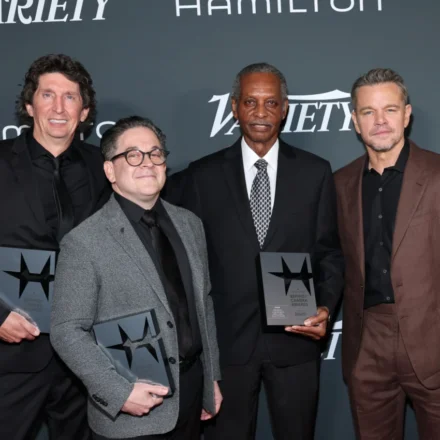
The magic of cinema is often measured by the faces on the silver screen—the A-list stars who command our attention and the directors whose names adorn the marquee. Yet, the true structural integrity of a film—its soul, its texture, and its heartbeat—is forged in the quiet, painstaking labor of those working behind the scenes. This past Friday, the 15th Annual Hamilton Behind the Camera Awards, held in partnership with Variety, provided a rare and necessary spotlight for these essential artisans.
Hosted by actor and comedian Asif Ali, the ceremony served as a testament to the collaborative spirit that transforms technical blueprints and artistic visions into the cultural touchstones of our time. From the custom-engineered lenses of Dune: Part Three to the delicate prosthetics of Wicker, the event celebrated the technical prowess and emotional intuition of the industry’s most vital, yet often overlooked, contributors.
A Chronology of Excellence: Honoring the Crafts
The evening unfolded as a series of intimate conversations between the stars who inhabit the frame and the creators who build it. The scope of the honorees reflected the diversity of modern filmmaking, spanning films such as The Odyssey, Dune: Part Three, The Invite, Michael, Club Kid, La Bola Negra, Paper Tiger, Wicker, The Debut, and Wild Horse Nine.
The proceedings began with a masterclass in visual storytelling. Director Denis Villeneuve took the stage to present the cinematography award to Linus Sandgren, whose work on the third installment of the Dune franchise has already been hailed as a technical triumph. The transition from digital to traditional film formats was a thematic centerpiece of the night, as Sandgren explained how the team, in partnership with Atlas Lens, developed bespoke, large-format Imax lenses to capture the harsh, poetic beauty of Arrakis.
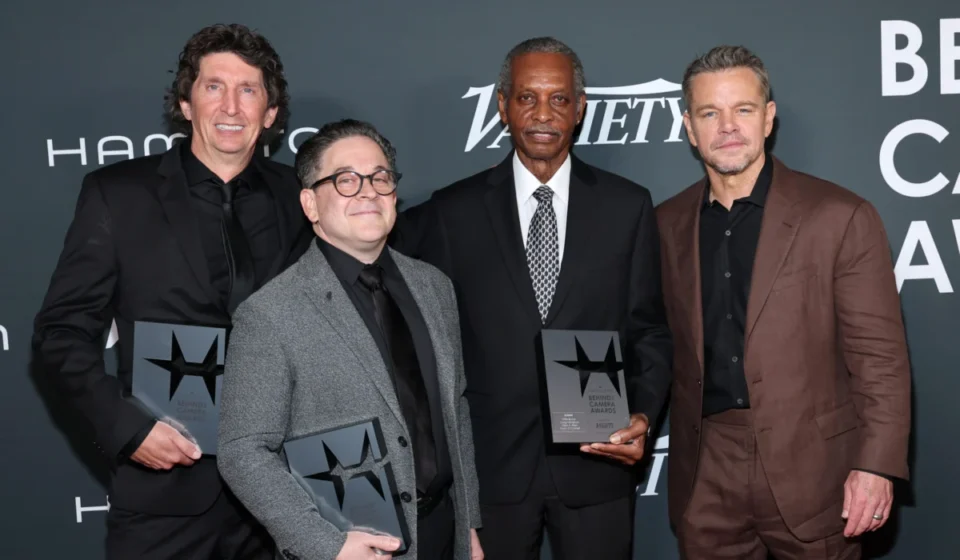
Following the visual focus, the awards shifted to the visceral. Matt Damon presented the sound award to the team behind The Odyssey—Willie Burton, Craig Henighan, Gary A. Rizzo, and Kevin O’Connell—highlighting a production philosophy that prioritized organic, on-set soundscapes over post-production manipulation.
As the night progressed, the focus moved from the technical to the personal. Costume designer Marci Rodgers, honored for her work on the Michael Jackson biopic Michael, offered one of the evening’s most poignant speeches, speaking on the necessity of maintaining one’s artistic vision through adversity. Similarly, screenwriters Rashida Jones and Will McCormack, recognized for The Invite, provided a look into the long-term creative partnership required to translate the complexities of heartbreak into relatable, often humorous, narrative arcs.
Technical Innovation and the Art of Detail
One of the most fascinating aspects of the Hamilton Behind the Camera Awards is the deep dive into the "how" of filmmaking. The presentation of the Property Master award to Diego Quecano for Club Kid was a standout moment of the evening. Firstman, who presented the award, underscored the rigorous attention to detail required in modern film production. Quecano’s process for recreating illegal narcotics—using a blend of lactose powder and vitamin D heated to precise temperatures—revealed the lengths to which artisans go to ensure visual authenticity, even in the most illicit-looking props.
This theme of innovation continued with the Hair and Makeup category. Joe Dunckley, recognized for his transformative work on Wicker, brought to light the intersection of ancient craft and futuristic technology. By utilizing 3D-printing to create prosthetics that mimicked the organic movement of weaving, Dunckley and the team at Wētā Workshop demonstrated how high-tech solutions can enhance, rather than replace, the physical performance of an actor like Alexander Skarsgård.
Official Responses and Industry Reflections
The atmosphere at the ceremony was one of profound mutual respect. Presenters and winners alike used their time at the podium to emphasize the "collaborative" nature of the medium.
"The cutting room is very much a place of trust and creative freedom," noted Scott Morris, who accepted the editing prize for Paper Tiger. "Together, we’re working toward this common goal. It’s this beautiful corroboration where we’re on this journey of exploration."
This sentiment was echoed by Martin McDonagh, who, upon receiving the directing award for Wild Horse Nine, pivoted the focus away from his own achievement to highlight the performance of his lead, John Malkovich. McDonagh’s public desire to see his lead actor win an Oscar served as a reminder that the director-actor relationship is a symbiotic cycle of inspiration and execution.
Perhaps most significantly, the event served as a platform for marginalized voices in the industry to demand visibility. Diego Quecano’s commentary on queer representation was a stark reminder of the hurdles that remain for many creators. "I hope the industry continues to see us," Quecano told Variety. "That we’re there, and we know how to do it. And just trust us, because sometimes we have to prove to them once, twice and three times that we are able to do it."
Supporting Data: The Anatomy of a Masterpiece
The success of these films relies on a synthesis of diverse disciplines. The following data points highlight the technical rigor celebrated at this year’s gala:
- Cinematography: The production of Dune: Part Three utilized an exhaustive range of formats, including Imax 65mm film, standard digital capture, 16mm, and high-contrast black-and-white film, all curated to reflect specific emotional states.
- Sound Design: The Odyssey minimized the use of looped dialogue, relying on an extensive team of Foley artists and sound editors to capture authentic, diegetic soundscapes.
- Prosthetics: The character design in Wicker involved the collaboration of 80 artists at Wētā Workshop, utilizing 3D-printing to ensure the prosthetic "weave" moved naturally with the actor’s musculature.
- Production Design: Anne Ross’s work on The Debut highlighted the importance of "scope," where physical set dressing—such as the collection of books to build realistic, lived-in backgrounds—served to expand the world-building potential of a project beyond its fiscal constraints.
Implications: The Future of Behind-the-Scenes Craft
The 15th Annual Hamilton Behind the Camera Awards does more than just award trophies; it shifts the narrative of how we consume and appreciate film. By highlighting the, at times, obsessive nature of these artisans—from the chemistry experiments of property masters to the custom lens engineering of cinematographers—the ceremony elevates these professions from "support staff" to "co-authors."
As the industry faces rapid technological changes, such as the integration of AI, the importance of these human-centric, tactile crafts becomes even more pronounced. The stories shared at this year’s ceremony suggest a continued, if not increased, demand for physical authenticity. Whether it is the texture of a prop, the specific grain of a film stock, or the way a costume moves in a scene, these details remain the primary indicators of quality in a saturated market.
Furthermore, the emphasis on collaboration and the call for greater industry-wide inclusivity suggests that the future of film craft will rely on opening doors to those who have previously been asked to "prove themselves" repeatedly. The success of creators like Marci Rodgers and Diego Quecano serves as a blueprint for the next generation of artisans: a reminder that while the dream may become "heavy," as Rodgers noted, the act of speaking it into existence through technical excellence is the ultimate validation.
In conclusion, the 15th Annual Hamilton Behind the Camera Awards successfully illuminated the shadows behind the spotlight. As these films move into their respective theatrical and streaming releases, audiences now have a deeper context for the artistry on screen. We are reminded that every frame, every sound, and every texture is the result of thousands of hours of unseen, dedicated, and often brilliant human labor.