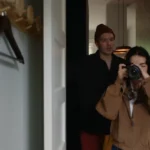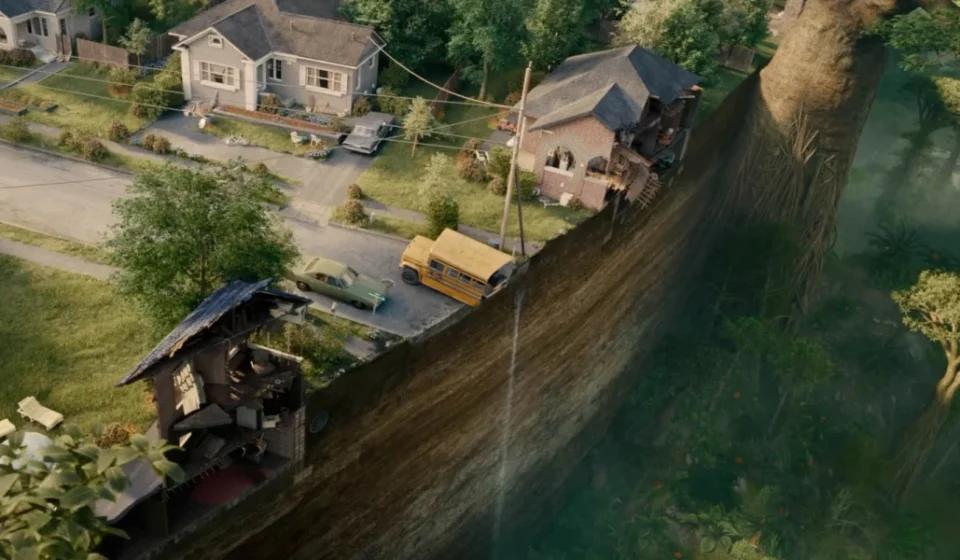

In the ever-evolving landscape of modern speculative fiction, few films have managed to capture the cultural zeitgeist quite like David Robert Mitchell’s latest feature, The End of Oak Street. A genre-bending exploration of suburban malaise, temporal displacement, and the fragility of the nuclear family, the film has become the subject of intense debate among cinephiles and industry professionals alike.
As part of the latest installment of The VFX Show (Episode 309), a panel of industry experts—including Matt Wallin, Jason Diamond, and Mike Seymour—has convened to perform a deep-dive analysis of the film’s technical wizardry and narrative architecture. The following report synthesizes the primary findings of this critical examination, exploring how Mitchell transitioned from the stylized horror of his previous work to the complex, high-concept emotional drama seen here.
I. Main Facts: A Suburban Odyssey
The End of Oak Street is, at its core, a story about the unravelling of the familiar. Written and directed by David Robert Mitchell, the film stars Academy Award winner Anne Hathaway and Ewan McGregor as the heads of the Platt family. Their lives, defined by the comfortable monotony of mid-century suburban existence, are shattered when a mysterious, unexplained event transports their entire neighborhood to an uncharted temporal and spatial coordinate.
The film distinguishes itself through its refusal to lean heavily into traditional science-fiction exposition. Instead, it focuses on the psychological deterioration of the Platt family as they grapple with the sudden loss of their reality. The central conflict is not merely survival against the elements of this "unknown" location, but the desperate attempt to maintain their societal structure when the very concept of "home" has been erased.
II. Chronology: The Evolution of a Concept
To understand the impact of the film, one must look at the trajectory of Mitchell’s career. From the minimalist, dread-soaked atmosphere of his breakout hits to the expansive, ambitious scope of The End of Oak Street, the director has consistently obsessed over the boundaries of physical space and human memory.
- Pre-Production (2024): Mitchell began developing the script with a focus on "liminal space"—the idea of neighborhoods that feel trapped in a specific decade. The casting of Hathaway and McGregor was finalized early, signaling a move toward high-profile, character-driven drama.
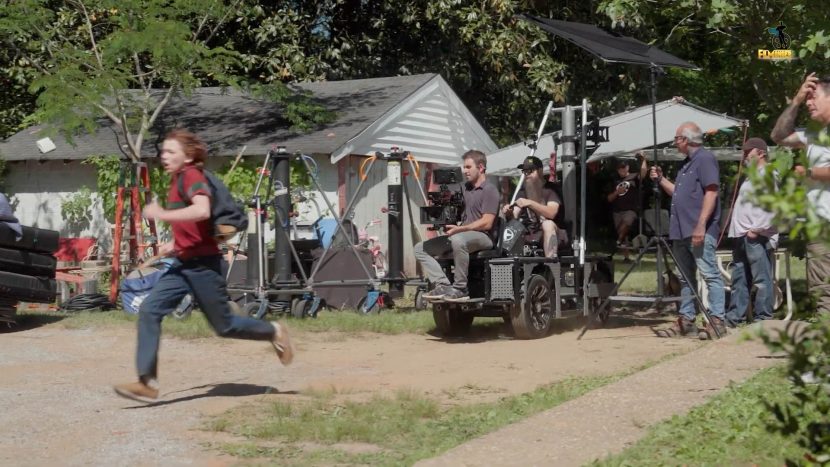
- Principal Photography (2025): The production utilized a hybrid of practical on-location sets and massive virtual production volumes to achieve the "uncanny" look of the displaced neighborhood.
- Post-Production (Early 2026): The visual effects team faced the monumental task of rendering environments that needed to feel both grounded and "wrong." This phase involved months of iterative work to ensure that the lighting and atmospheric cues matched the film’s shifting temporal themes.
- Release and Analysis (September 2026): Upon its wide release, the film polarized audiences. While some praised its ambition, others found the narrative ambiguity frustrating. The VFX Show panel represents the most comprehensive technical critique of these choices to date.
III. Supporting Data: The Technical Micro-Analysis
The VFX Show team, led by hosts Matt Wallin, Jason Diamond, and Mike Seymour, utilized their platform to dissect the film’s "invisible" effects. A key point of discussion was how Mitchell and his VFX supervisors manipulated the film’s color palette to reflect the displacement of the Platt family.
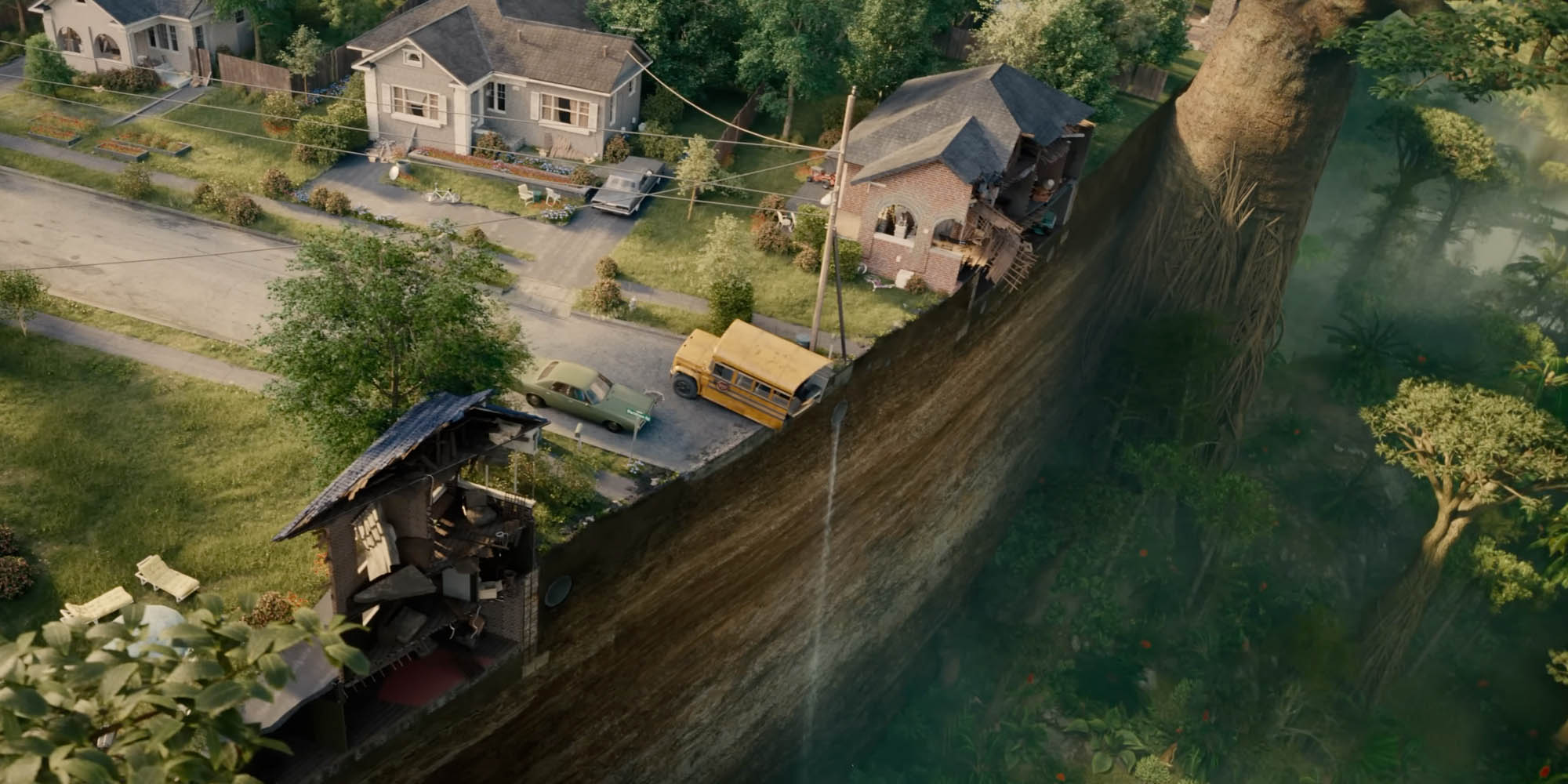
The Aesthetics of Displacement
The panel noted that the film utilizes a technique of "digital patina." By subtly altering the grain structure and color timing of the scenes set within the "unknown" neighborhood, the filmmakers created a visual dissonance. The audience is never explicitly told that the family has moved through time, but the visual cues—a slight shift in the saturation of the sky, the unnatural stillness of the shadows—inform the viewer on a subconscious level.
Practical vs. Digital
A significant portion of the show was dedicated to the debate over the film’s reliance on virtual production. Wallin noted that while the use of LED volumes provided a unique lighting quality on the actors’ faces, it occasionally created a "flatness" that the film had to work hard to overcome. Diamond added that the choice to utilize practical, physical builds for the interior of the Platt home served as a vital "anchor" for the audience, providing a necessary contrast to the synthetic nature of the exterior world.
IV. Official Responses and Industry Dialogue
The reception of The End of Oak Street has been a testament to the power of auteur-driven filmmaking. In various interviews, Mitchell has stated that he intended the film to be an "emotional mirror" rather than a logical puzzle.
"The mystery is the point," Mitchell noted in a press conference following the film’s premiere. "If the audience spends the entire movie asking ‘how’ the neighborhood moved, they’ve missed the point of the movie, which is ‘why’ the family chooses to stay together when the world they know is gone."
However, the industry response has been varied. Some visual effects supervisors have lauded the restraint shown in the film’s third act, where the digital spectacle is dialed back in favor of intimate, claustrophobic close-ups of the leads. Others have criticized the film for its "narrative opacity," suggesting that the technical brilliance of the production is sometimes hampered by a script that refuses to provide necessary context.
V. Implications: The Future of Genre Filmmaking
The success and critical discourse surrounding The End of Oak Street have significant implications for the future of speculative cinema.
The Shift Toward "Prestige" Sci-Fi
As the industry moves away from the franchise-heavy model of the early 2020s, The End of Oak Street proves that there is a massive appetite for "prestige" science fiction—films that treat complex, high-concept ideas with the same seriousness as an Oscar-bait period drama.
The Role of the VFX Artist as Storyteller
The VFX Show panel highlighted a crucial takeaway: visual effects are no longer just about "spectacle." In films like this, the VFX artist is a fundamental storyteller, responsible for crafting the "mood" of the world. The shift toward incorporating VFX expertise into the early stages of script development is likely to continue, as directors realize that technical feasibility and narrative emotionality must grow in tandem.
Audience Engagement
The vibrant debate surrounding the film’s ending—which remains intentionally open-ended—suggests that audiences are hungry for films that challenge them. By providing a platform for this debate, the VFX Show serves as a critical bridge between the technical creators of the film and the viewing public, allowing for a more nuanced understanding of the artistry involved.
Conclusion: A Worthy Addition to the Canon
Whether or not The End of Oak Street will go down as a classic remains to be seen, but its place in the discourse of 2026 is cemented. The film is a masterful, if occasionally frustrating, exercise in world-building. For those interested in the intersection of technology and art, the VFX Show episode 309 offers an indispensable roadmap for navigating the complexities of Mitchell’s vision.
As the team notes, the film asks us to "end up" in the debate—not by finding a singular answer, but by appreciating the effort required to create a world that feels as real as the one outside our own windows. Whether you found the journey to the end of Oak Street a profound experience or a technical exercise in ambiguity, the film’s impact on the cinematic landscape is undeniable.
For further discussion on the technical choices discussed in this article, or to contribute your own theories on the film’s conclusion, the team at the VFX Show invites you to reach out via their official channels. Be sure to subscribe to the podcast on Apple, Spotify, or your preferred platform, and keep an eye on the fxguide YouTube channel for more behind-the-scenes breakdowns of the year’s most significant films.