The Architecture of Displacement: Deconstructing David Robert Mitchell’s The End of Oak Street

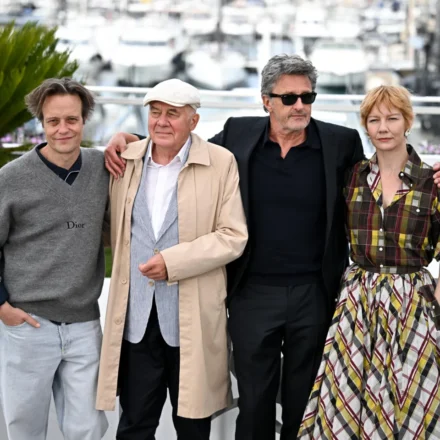
In the landscape of modern speculative fiction, few films have sparked as much technical debate and narrative curiosity as David Robert Mitchell’s latest cinematic venture, The End of Oak Street. Starring industry heavyweights Anne Hathaway and Ewan McGregor, the film serves as a harrowing exploration of suburban isolation, temporal displacement, and the fragile bonds of the nuclear family.
Beyond its star-studded marquee, the film has become a focal point for the visual effects community. As explored in the latest episode of The VFX Show, Mitchell’s work—while grounded in familiar domestic imagery—relies on a sophisticated layer of digital artifice to convey a sense of "wrongness" that permeates every frame.
I. Main Facts: The Narrative Core
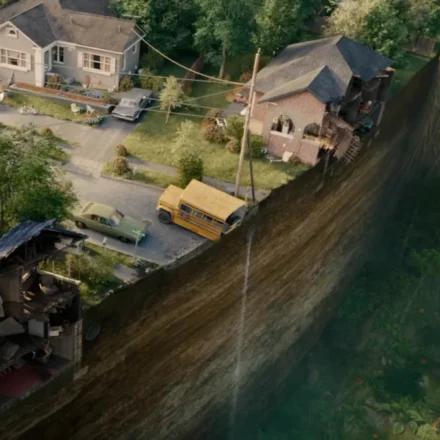
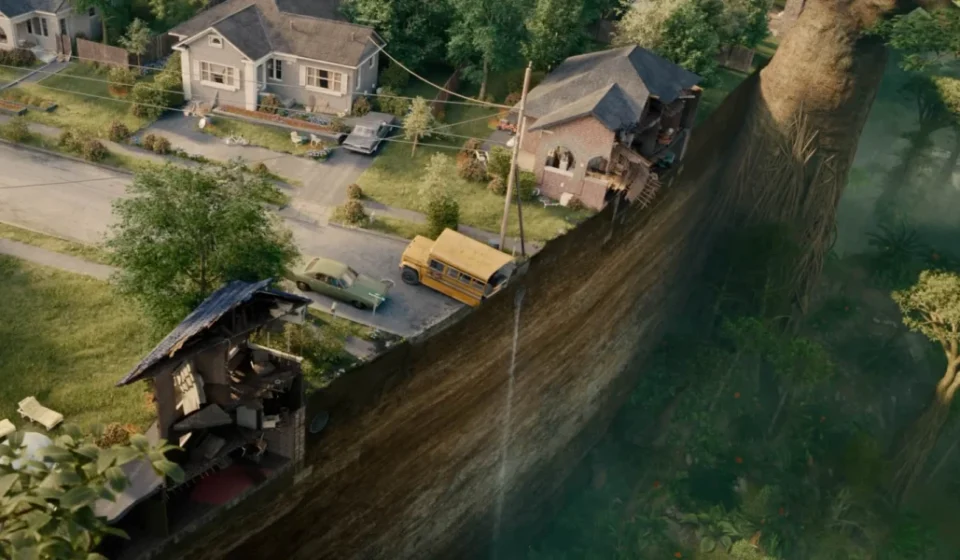
The End of Oak Street follows the Platt family, a quintessential suburban unit whose lives are irrevocably altered by an inexplicable spatial-temporal event. The premise centers on a singular, mysterious phenomenon that transports their entire neighborhood out of the modern era and into an uncharted, hostile environment.
David Robert Mitchell, known for his ability to inject dread into mundane settings, utilizes the neighborhood of Oak Street as a character in its own right. The film functions as a high-stakes survival drama, testing the resolve of the Platt family as they navigate a reality where the rules of physics and geography no longer apply.
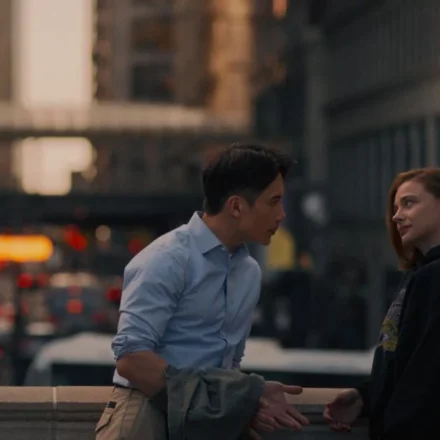
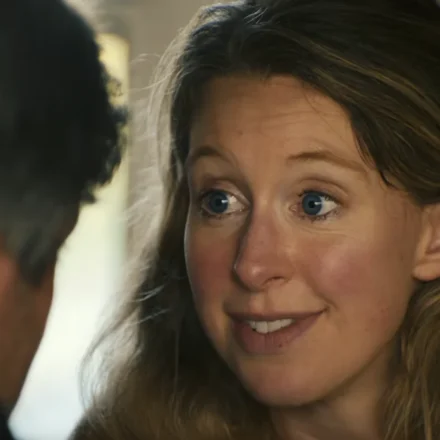
For Hathaway and McGregor, the challenge was portraying deep-seated familial anxiety amidst a backdrop of surrealism. The film does not lean on grand, bombastic sci-fi tropes; instead, it focuses on the internal erosion of trust and sanity when a family is stripped of their geographic identity.
II. Chronology of Production
The development of The End of Oak Street followed a rigorous production schedule, characterized by a heavy emphasis on pre-visualization and location scouting that aimed to capture the "American Dream" aesthetic before it was systematically dismantled on screen.
- Early Development (2024): Mitchell began drafting the script with a focus on the concept of "temporal suburbanism," investigating how historical architecture might clash with modern, displaced inhabitants.
- Principal Photography (2025): The production utilized a mix of practical location shooting in the Pacific Northwest and extensive soundstage work to simulate the "unknown" environment the neighborhood occupies.
- Post-Production (2025–2026): This period proved to be the most intensive. The VFX team, led by a collaborative effort of industry experts, worked to create the seamless transitions between the "normal" world and the "displaced" reality.
- Release and Critical Reception (September 2026): The film debuted to significant discourse, particularly regarding its visual language and the technical feats required to maintain visual continuity in an environment that defies traditional light and perspective.
III. Supporting Data: The VFX Under the Microscope
In the latest episode of The VFX Show, hosts Matt Wallin, Jason Diamond, and Mike Seymour dissected the technical craftsmanship that makes The End of Oak Street a landmark in contemporary cinema. The discussion focused heavily on the challenges of "environment-bending."
The "Suburban Void"
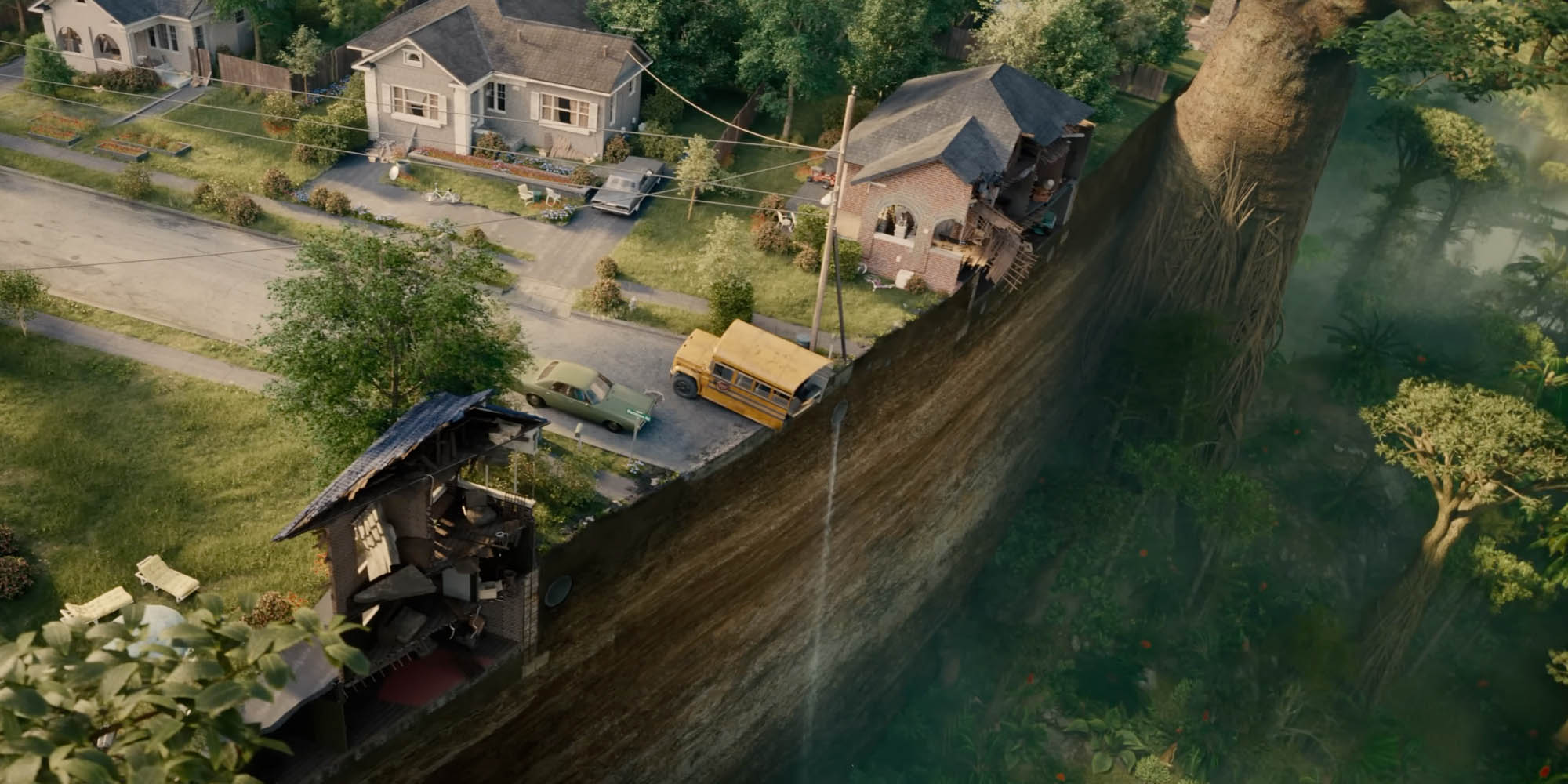
One of the most complex sequences involved the initial displacement event. Rather than relying on traditional CGI explosions or portals, Mitchell opted for a more unsettling, subtle shift in environmental lighting and geometry. The VFX team utilized high-dynamic-range (HDR) mapping to ensure that the lighting on Hathaway and McGregor remained consistent as the world around them shifted from a recognizable suburban afternoon to an eerie, shadowless expanse.
Digital Continuity
The production required a "digital twin" of the primary street set. This allowed the team to manipulate the neighborhood’s layout in post-production. By creating a fully realized 3D replica of the physical set, the VFX artists were able to introduce subtle distortions—walls shifting by inches, driveways leading to nowhere—that the human eye might struggle to register consciously but that the brain perceives as deeply unsettling.
The Human Element
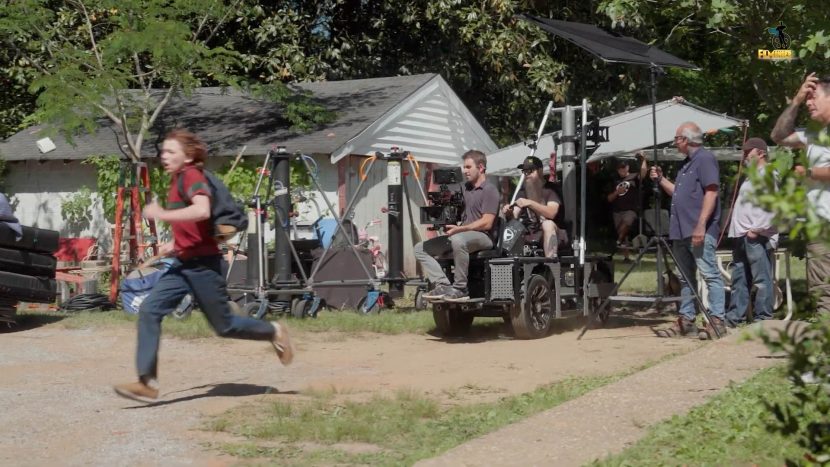
The interaction between the actors and the digital environments was treated with extreme care. Because the film is so grounded, any "uncanny valley" effect would have shattered the narrative illusion. The team discussed the use of rotoscoping and match-moving techniques that allowed the actors to physically inhabit the "broken" spaces without the digital additions appearing as overlays.
IV. Official Perspectives: The Panel Discussion
The VFX Show panel provides an invaluable look into the filmmaking choices. Matt Wallin, Jason Diamond, and Mike Seymour offer a tripartite view of the film’s success:
- Matt Wallin’s Assessment: Wallin emphasizes the importance of the film’s "invisible effects." He notes that the best VFX are often those the audience does not realize are VFX. He points to the way the neighborhood’s architecture is subtly warped to reflect the Platt family’s growing paranoia.
- Jason Diamond’s Critique: Diamond raises questions about the pacing of the visual shifts. While he praises the technical prowess, he suggests that the film occasionally prioritizes spectacle over the emotional weight of the Platt family’s struggle.
- Mike Seymour’s Technical Deep-Dive: Seymour, focusing on the production pipeline, highlights the coordination between the cinematography team and the VFX department. He argues that Mitchell’s insistence on practical lighting setups—even when the environment is digital—is what gives the film its visceral, "grounded" feeling.
The panel agrees on one point: The End of Oak Street is a watershed moment for how indie directors can leverage mid-budget VFX to create expansive, otherworldly experiences without sacrificing the intimate character focus of a drama.
V. Implications for the Industry
The success of The End of Oak Street signals a shift in the film industry. As AI and machine learning tools become more integrated into the VFX pipeline, directors are finding it easier to achieve high-concept visuals on moderate budgets.
The Democratization of Sci-Fi
By utilizing tools that allow for smaller teams to produce high-quality digital environments, Mitchell has effectively lowered the barrier to entry for speculative fiction. This may lead to a wave of "cerebral sci-fi" where the visual effects serve the story rather than the other way around.
The Future of "Place" in Film
The film also raises questions about how we view location in cinema. If an environment can be seamlessly manipulated, the concept of a "location shoot" becomes fluid. Future productions may lean further into hybrid environments, where the line between the physical set and the digital asset is effectively erased.
Audience Reception and "The Debate"
The film has challenged audiences to look closer at what they are seeing. The "debate" mentioned by the VFX Show team centers on whether such deep, technical immersion is necessary for all films, or if it risks alienating viewers who prefer a more traditional, tangible approach to storytelling.
Conclusion
The End of Oak Street is more than just a science fiction survival story; it is a masterclass in modern digital filmmaking. By blending the raw, emotional performances of Anne Hathaway and Ewan McGregor with the precise, technical artistry of the VFX team, David Robert Mitchell has crafted a film that is as visually provocative as it is narratively compelling.
As the industry continues to digest the technical advancements showcased in this film, one thing is clear: the way we build worlds on screen has been permanently altered. Whether you were captivated by the Platt family’s journey or puzzled by the film’s surreal geometry, The End of Oak Street demands a second viewing—if only to see what you missed the first time around.
For those interested in the intricacies of the production, the full discussion is available via the latest episode of The VFX Show. We encourage readers to listen to the episode, engage with the team, and join the conversation regarding the future of visual storytelling.
For further inquiries or to join the conversation, reach out to the team at the official email provided on the fxguide portal. Don’t forget to subscribe to the podcast on your preferred platform, including Apple, Spotify, and RSS, and follow the team on Mastodon for real-time updates.