
The expansion of James Gunn and Peter Safran’s DC Universe (DCU) has been a masterclass in slow-burn world-building. While early entries like Superman and Creature Commandos have laid the foundational groundwork for a new era of superhero storytelling, the arrival of Lanterns—a gritty, investigative procedural—has shifted the focus toward the smaller, more localized corners of this expansive mythos.
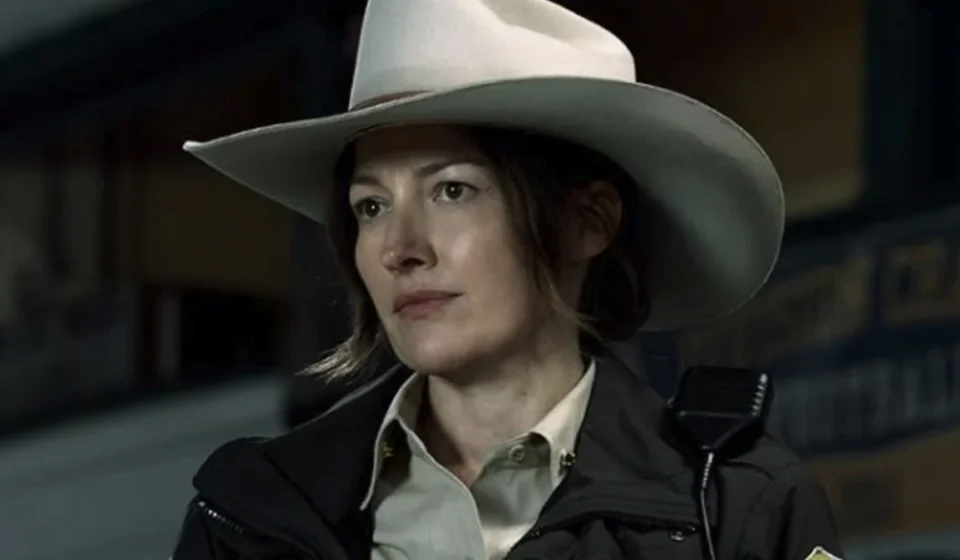
In its second episode, Lanterns does more than just deepen the central mystery surrounding John Stewart (Aaron Pierre) and Hal Jordan (Kyle Chandler). It drops a seemingly innocuous breadcrumb that ties the Nebraska-set series directly to the heart of the DC Universe’s most iconic location: Gotham City. Through the character of Sheriff Kerry Kane, portrayed with enigmatic precision by Kelly Macdonald, the series has introduced a narrative thread that could potentially bridge the gap between the rural "True Detective" style of Lanterns and the high-stakes vigilante world of the Dark Knight.
The Mystery in Rushville: A Narrative Foundation
Lanterns is a departure from the cosmic bombast typically associated with the Green Lantern Corps. By grounding the narrative in the sleepy, unsettling atmosphere of Rushville, Nebraska, the series creators have opted for a tone that mirrors the moody, atmospheric tension of shows like Slow Horses or True Detective.
The primary conflict—the investigation into a dormant Manhunter and the subsequent alien presence—serves as the show’s engine. However, the series has consistently signaled that the true mystery lies in the human elements. Following the jarring, timeline-jumping cliffhanger of the series premiere, which saw a flash-forward to 2026 and the discovery of Hal Jordan’s body, the audience has been primed to look for clues in every interaction.
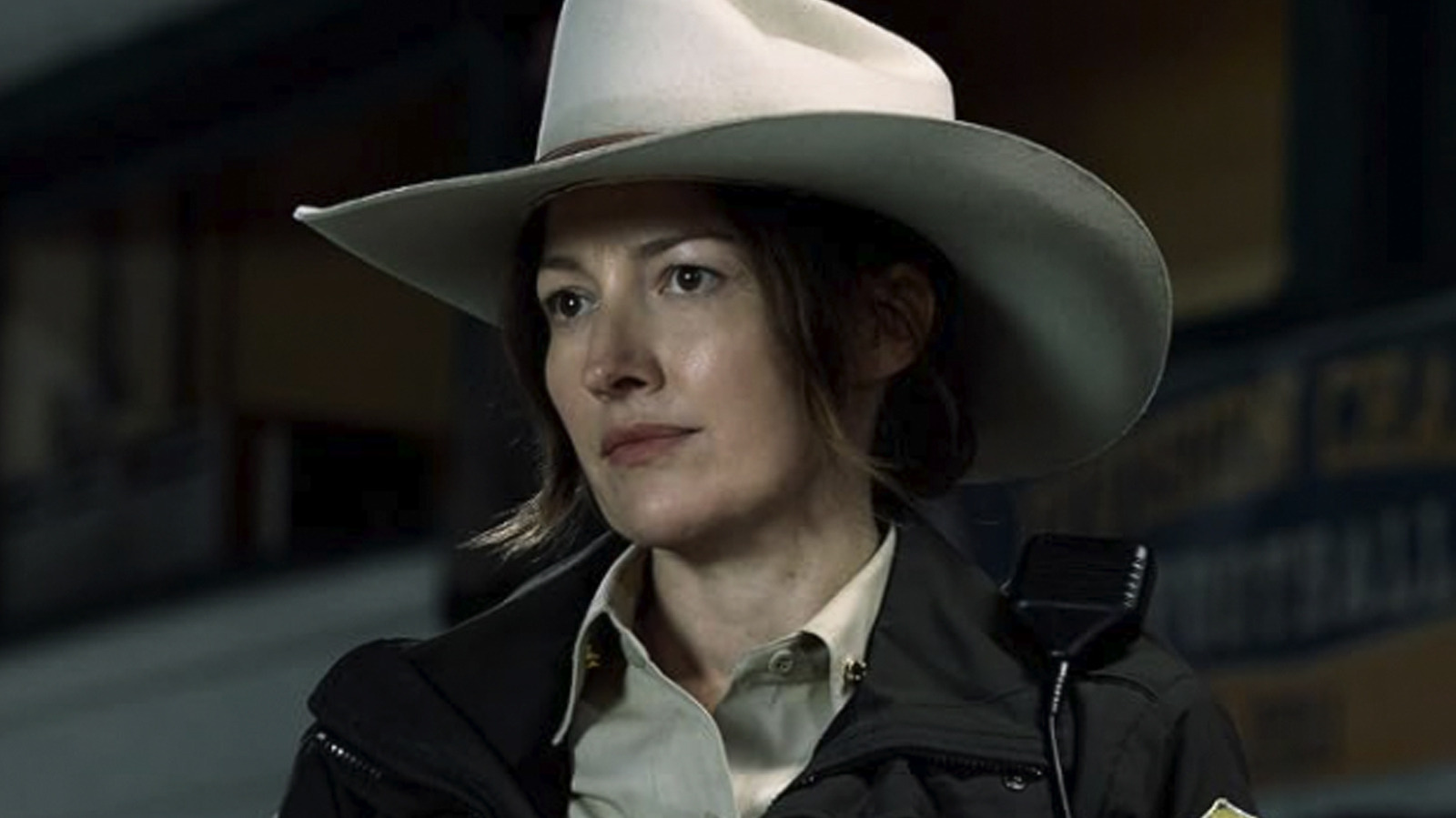
The introduction of Sheriff Kerry Kane was initially perceived as a standard procedural element: the local authority figure forced to interact with federal-level investigators. Yet, Episode 2 stripped away that simplicity. When Hal Jordan, recovering from a gunshot wound in an abandoned hospital, presses the Sheriff on her origins, her response—"I’m from Gotham. Moved here on a whim"—shifted the show’s scope from a localized mystery to a potentially integral part of the wider DCU tapestry.
Chronology: Connecting the Dots
To understand why the mention of "Gotham" is such a seismic shift for the series, one must look at the timeline of the new DCU.
- The Foundation: James Gunn’s DCU began in earnest with Creature Commandos, which provided the first, blink-and-you-miss-it glimpse of the Batman within this specific continuity.
- The "Elseworlds" Divide: Simultaneously, audiences are managing the narrative space occupied by Matt Reeves’ The Batman: Part II. It is crucial to note that Reeves’ Gotham exists in a separate "Elseworlds" timeline, meaning the Gotham mentioned by Sheriff Kane is, by definition, the "main" DCU Gotham—a city we have yet to explore in live-action under the new creative leadership.
- The Lanterns Reveal: In Episode 2 of Lanterns, the dialogue exchange between Jordan and Kane serves as the first explicit narrative link to this specific version of Gotham. By confirming her heritage, the show establishes that the "Batman-adjacent" world is not just a distant concept, but a place that produces characters who interact with the cosmic side of the DCU.
Supporting Data: Linguistic Clues and The "Barb" Connection
The significance of Sheriff Kane’s background is supported by more than just a single line of dialogue. When analyzing the dialogue provided in the second episode, two distinct "Easter eggs" emerge that suggest her character is designed to be more than a one-off local official.
The "Barb" Reference
In the premiere, the audience witnesses a brief, tense phone conversation between the Sheriff and an unidentified contact. After the Sheriff dismisses a request for information regarding an active investigation, she signs off with, "Tell Barb I said hey."
While it was easy to dismiss this as a nod to a local reporter or a fellow officer, the revelation of her Gotham roots changes the context entirely. In the lore of DC Comics, "Barb" is almost synonymous with Barbara Gordon—the daughter of Commissioner James Gordon and a pivotal figure in the Bat-family. If Sheriff Kane’s past involves professional or personal ties to the Gotham City Police Department, her departure to Nebraska becomes a narrative hook. Was she forced out? Is she in witness protection? Or, more tantalizingly, is she a sleeper agent for a wider investigation?
The Weight of the Name "Kane"
The surname "Kane" carries immense weight in the DC mythos.
- Bob Kane: The co-creator of Batman.
- Kate Kane: Known as Batwoman, a central figure in the Gotham vigilante scene.
- Gil Kane: The legendary artist who defined the Silver Age Green Lantern aesthetic.
While some might argue these are merely coincidental nods, in the meticulous world-building of James Gunn, such choices are rarely accidental. Whether Sheriff Kane is a relative of the DCU’s Bruce Wayne—or perhaps even a former associate of the GCPD—the choice of the name "Kane" feels like a deliberate signal to the audience that the Sheriff’s history is inextricably linked to the history of the Dark Knight.
Official Responses and Creative Direction
James Gunn has been notably disciplined in his approach to the "Bat-family" within the new DCU. While The Brave and the Bold remains in active development, there has been a noticeable silence regarding the status of the Bat-family within the shared universe, largely to avoid overshadowing the Elseworlds projects.
However, the creative team behind Lanterns—which operates under the oversight of the DCU architects—is clearly being given the latitude to expand the world. By embedding a "Gotham native" into the heart of a cosmic mystery, the showrunners are effectively testing the waters. They are proving that they can introduce elements of the Gotham mythos without needing the Batman to physically appear on screen.
This strategy serves two purposes:
- World-Building without Saturation: It builds out the DCU’s geography, establishing that Gotham exists and has a cultural footprint, without needing to rush the introduction of Bruce Wayne or his costumed allies.
- Procedural Authenticity: It adds layers to characters like Sheriff Kane, transforming her from a "small-town cop" into a survivor of the most dangerous city in the United States.
Implications: The Road to 2026
The implications of this revelation are far-reaching. As we look toward the 2026 release of the Clayface film—a project confirmed to take place within the DCU and feature "body horror" elements in Gotham—the connections between seemingly disparate projects are becoming clearer.

If Sheriff Kane is indeed a refugee from the Gotham underworld, her presence in Rushville, Nebraska, acts as a bridge. The alien threat faced by John Stewart and Hal Jordan may eventually require the expertise of those who have dealt with the shadows of Gotham.
Why This Matters for the DCU
For years, the critique of cinematic universes has been the "silo effect," where characters operate in vacuums. By having a character from a non-superhero-centric series like Lanterns drop a casual reference to Gotham, the DCU is creating a sense of a lived-in world. It suggests that Gotham is not just a place where Batman fights crime; it is a place that exports people, trauma, and history to the rest of the country.
As Lanterns progresses, we should expect more "low-level" crossovers. The mystery of the Manhunters and the mystery of Sheriff Kane’s past are likely to converge. If she is indeed connected to the GCPD or the Gordon family, her knowledge of "how to handle things in the dark" might be the exact tool the Green Lanterns need to survive the coming storm.
Ultimately, the inclusion of these Gotham ties suggests that the DCU is not just building a series of movies, but a complex, interconnected ecosystem. Whether or not we see the cowl in Lanterns is secondary to the fact that his influence is already being felt in the cornfields of Nebraska. The "for now" in Hal Jordan’s dialogue—"I’ll take it for now"—is clearly a promise from the writers: we have only scratched the surface of what the Sheriff is hiding.
As the mystery of the Manhunters intensifies and the 2026 deadline for the series’ flash-forward looms, the connection to Gotham will likely become a central pillar of the narrative. For now, the audience is left to speculate, but one thing is certain: in the DC Universe, no one leaves Gotham City without taking a piece of it with them.