The Invisible Architect: How Paula González-Nasser’s ‘The Scout’ Captures the Quiet Desperation of NYC Filmmaking

In the hyper-competitive ecosystem of the New York City film industry, the glitz of the red carpet and the high-stakes pressure of the director’s chair often overshadow the labor that makes the magic possible. Paula González-Nasser’s directorial debut, The Scout, strips away this artifice, focusing on a protagonist who serves as the connective tissue between the cinematic dream and the harsh reality of urban logistics. The film posits a singular, haunting thesis: in a world governed by transactions, humans are remarkably eager to confess their secrets to those they perceive as invisible.
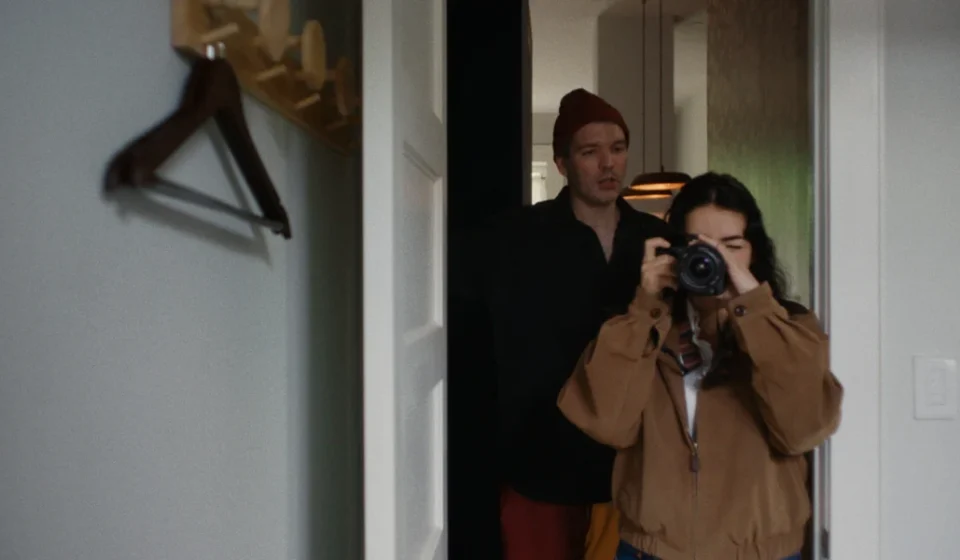
Through the eyes of Sofia, played with a weary, grounded magnetism by Mimi Davila, the film explores the thankless, nomadic existence of a location scout. Her days are a relentless, rhythmic cycle of trekking across New York’s five boroughs, infiltrating the private sanctuaries of strangers to capture images that will likely be discarded by a department head, only for one singular, fleeting vision to survive the cut.
The Anatomy of an Invisible Profession
To understand The Scout is to understand the transactional nature of the modern creative economy. Sofia’s role is essential, yet she remains a phantom in the narrative of the films she helps build. Most residents whose homes are scouted for production rarely consider the fate of their living rooms once the cameras move on. For them, the presence of a film crew is a temporary inconvenience punctuated by the promise of an easy paycheck.
For the production team and the audience, these locations are mere backdrops—static elements in a larger visual puzzle. However, for the residents, these brief, transactional encounters with Sofia represent their only tangible contact with the mythic world of "show business." González-Nasser, who cut her teeth in the industry working on acclaimed projects like High Maintenance and Russian Doll, utilizes her own lived experience to transform these mundane interactions into the emotional bedrock of her film.
A Chronology of the Craft: From Location Scouting to Cinematic Truth
The production of The Scout mirrors the protagonist’s own trajectory—a slow, deliberate process of accumulation. Following the film’s development, which involved the creative partnership of producer and editor Ryan Martin Brown (known for his work on the tonally similar Free Time), the film evolved into an episodic study of urban life.
The film captures the daily grind of a scout: the frantic transit, the negotiation of access, and the inevitable collapse of plans. Sofia’s existence is defined by the “musical chairs” of production scheduling, where one dropped location can trigger a domino effect of professional catastrophe.

- The Inception: Drawing from her personal archives of industry experiences, González-Nasser began drafting a screenplay that prioritized the "in-between" moments of a production day.
- The Production Phase: Filmed on location throughout New York, the production team mirrored Sofia’s own journey, navigating the city’s complex residential landscape to capture a sense of authentic, lived-in space.
- The Festival Circuit and Release: Following its debut, the film was acquired by Greenwich Entertainment, positioning it as a quintessential New York indie release, with a premiere at the historic Film Forum.
Supporting Data: The Psychology of the "Invisible Confidant"
The Scout serves as an unofficial case study in the "stranger on a train" phenomenon, elevated to a professional standard. Throughout the film, Sofia encounters a cross-section of humanity: elderly grandmothers displaying family portraits as a proxy for their own loneliness, and online scammers who find in her silence a safe harbor for their admissions.
The sociological implications of these interactions are profound. Because Sofia is a transient figure—someone who enters a space for twenty minutes to take photos and then disappears—the residents she meets treat her as a void. They pour their regrets, their petty grievances, and their illicit secrets into her, knowing that the "invisible" scout has no social capital to hold those secrets against them.
While the film does not provide a traditional, heavy-handed character arc, it offers a slow-burn revelation of Sofia’s own internal life. We learn that she is not merely a vessel for the stories of others; she is a woman in her own right, navigating the dissonance of being a professional facilitator for a dream she is still struggling to define for herself.
The Professional Dissonance: A Filmmaker’s Perspective
One of the most compelling aspects of the film is its refusal to romanticize the act of filmmaking. For those in the industry, there is a recurring, humbling irony in the work: the more "successful" one becomes in the production cycle, the more one realizes how little the world outside of the set cares about the labor involved.
Sofia’s interactions with her corporate friends—who often express envy at her "glamorous" career making television shows—highlight a deep-seated professional isolation. She is constantly tasked with the high-pressure demand of finding the "perfect" home, yet she possesses no platform to articulate the stress of that pursuit.
The film utilizes a "fly-on-the-wall" aesthetic, denying the audience access to a traditional internal monologue. We observe her frustration, her fatigue, and her brief moments of quiet, private reflection without the crutch of voice-over. This narrative choice forces the audience to confront their own dismissive tendencies, mirroring the residents who view Sofia only through the lens of their own needs.

Implications: The Future of Urban Indie Cinema
The Scout functions as a love letter to the grit of New York City and a critique of the industry that exploits its spaces. By focusing on the "small-time" mechanics of the craft, González-Nasser challenges the audience to look closer at the background of every frame they see.
The implications for independent film are clear: there is a growing appetite for stories that eschew high-concept stakes in favor of observational intimacy. In an era where blockbusters dominate the conversation, films like The Scout remind us that the most dramatic, poignant, and human stories are often found in the brief, transactional moments we are too busy to notice.
Official Distribution Details
- Distributor: Greenwich Entertainment
- Current Status: Now playing at Film Forum, New York City.
- Upcoming Expansion: Opens at the Alamo Drafthouse Los Angeles on October 2, followed by a wider nationwide rollout throughout the fall season.
Conclusion: A Reflective Grade
The Scout is a quiet, contemplative work that achieves its goals with surgical precision. It does not attempt to change the world of cinema, but it does change the way we look at the process of creating it. It captures the bittersweet reality of being a creator in a city that is constantly changing, forever forcing us to find our own place within the frames of someone else’s story.
Grade: B-
Ultimately, the film stands as a testament to the fact that while we may be the architects of our own professional lives, we are all, at some point, merely guests in someone else’s home. Whether that home is a studio apartment in Brooklyn or the sprawling industry of film itself, the experience of "scouting" for a sense of belonging is a universal, if often invisible, human endeavor. As Sofia’s story concludes, the viewer is left with a lingering sense of recognition: the realization that the most interesting stories aren’t always the ones captured on camera, but the ones happening in the quiet, awkward, and profoundly human moments just out of frame.