From The New York Times to the Digital Frontier: Kyle Buchanan Launches Independent Podcast Venture

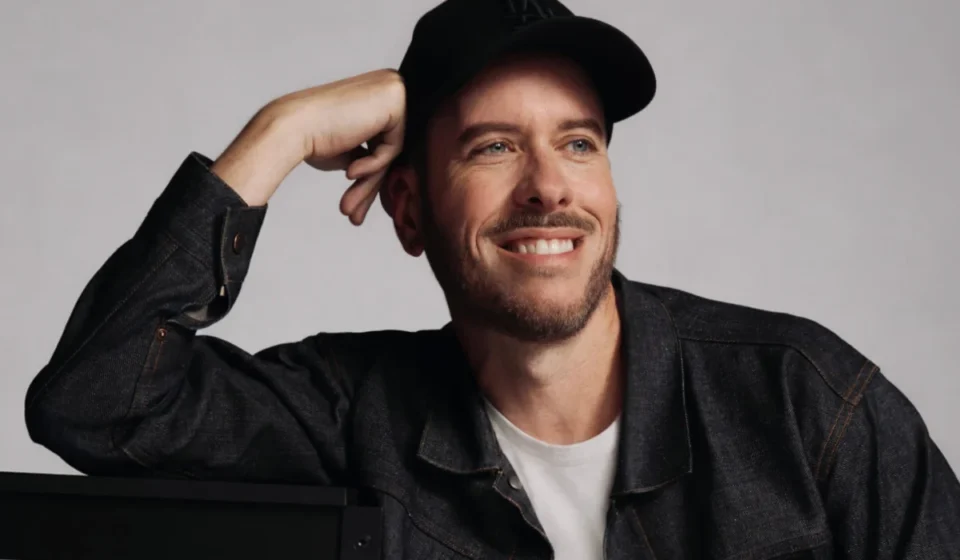
The landscape of entertainment journalism is undergoing a significant transition as one of its most prominent voices pivots from the traditional pages of a legacy broadsheet to the burgeoning world of independent digital media. Kyle Buchanan, the celebrated pop culture writer and awards columnist, has officially concluded his eight-year tenure at The New York Times. His departure marks the end of a prolific chapter at the paper and the beginning of an ambitious new project: the launch of his own video podcast, The Kyle Buchanan Show.
Scheduled for a mid-October premiere, the podcast aims to carve out a unique space in an increasingly saturated audio landscape. By leveraging his deep-rooted connections and his reputation for rigorous, thoughtful long-form journalism, Buchanan intends to bring a high-end, nuanced perspective to the frenetic pace of Hollywood reporting.
The Main Facts: A New Chapter in Media
Buchanan’s last day at The New York Times was Friday, ending a run that defined much of the paper’s recent entertainment coverage. The new venture, The Kyle Buchanan Show, is designed as a twice-weekly destination for cinephiles and industry insiders alike.
The format of the show is bifurcated to capture both the breadth and depth of Hollywood storytelling:
- Tuesdays — "The Panel": Buchanan will host a rotating assembly of two to three industry insiders, critics, and creative professionals to dissect the week’s most pressing headlines, box office shifts, and industry trends.
- Fridays — "The Profile": A return to the long-form, one-on-one interviews that became the hallmark of Buchanan’s career at The New York Times. This segment will feature deep-dive, intimate conversations with Hollywood’s most sought-after A-list talent.
The series is launching in partnership with Acast, the world’s largest independent podcast company. Through this collaboration, Acast will handle exclusive advertising, brand partnerships, and global distribution, placing Buchanan alongside a roster of popular media brands such as The Lonely Island and Seth Meyers and Giggly Squad. The show will be accessible across all major podcast platforms and will be available as both a high-fidelity audio stream and a fully produced video product on Apple Podcasts.
A Chronology of a Career: From Vulture to the Times
To understand the significance of this move, one must examine the trajectory of Buchanan’s career, which has been consistently marked by a keen eye for narrative and a refusal to settle for the "hot take" culture that dominates modern digital journalism.
Before joining The New York Times in 2018, Buchanan established his reputation as a senior editor at New York Magazine’s Vulture. During his time at Vulture, he became a central figure in the awards circuit coverage, known for his ability to translate the complex political machinations of the Academy Awards into digestible, compelling storytelling.
His transition to The New York Times in 2018 saw him elevate his profile further. At the Times, he became the publication’s go-to writer for high-stakes profiles, securing exclusive, in-depth interviews with the biggest names in the industry. His portfolio from this era reads like a directory of modern cinematic icons, including Brad Pitt, Daniel Day-Lewis, Jennifer Lawrence, Nicole Kidman, Michael B. Jordan, Channing Tatum, and Colman Domingo.
His literary success further solidified his status as an authority on filmmaking. In 2022, he published Blood, Sweat & Chrome: The Wild and True Story of Mad Max: Fury Road. The book, an oral history meticulously compiled from over 130 interviews, was lauded by Entertainment Weekly as being "no less jaw-dropping than the movie itself." It was a bestseller that demonstrated his ability to sustain a narrative across long-form mediums—a skill set that will serve as the foundation for his new podcast.
Supporting Data: Why Now?
The shift toward independent podcasting by high-profile journalists is not merely a trend; it is a response to structural changes in how audiences consume media. According to recent industry reports, the "creator economy" is increasingly favoring journalists who possess a strong personal brand over institutional affiliation.

For Buchanan, the move is a direct response to the "quick hit" culture that he believes is failing both the audience and the subjects of his interviews. In a statement released Tuesday, he articulated a philosophy that challenges the status quo of modern media:
"In a new media landscape overloaded with quick hits, nothing beats a real conversation. In fact, I think audiences and talent are hungrier than ever for talk that goes deep. The Kyle Buchanan Show will offer a genuine inside look at Hollywood, with a perspective that industry figures and fans can trust."
The partnership with Acast provides a strategic advantage. As an independent entity, The Kyle Buchanan Show is not subject to the editorial constraints or bureaucratic overhead of a legacy newsroom. By owning his intellectual property, Buchanan joins the ranks of other prominent journalists—such as Kara Swisher or Ezra Klein—who have found that moving to independent platforms allows for a more direct, intimate, and sustainable connection with their audience.
The Official Perspective and Industry Implications
The industry response to the announcement has been one of curiosity and anticipation. While many journalists have moved to platforms like Substack, the choice to move into the video-podcast space signals a move toward high-production, multimedia storytelling.
The inclusion of a video component is particularly vital in the current landscape. Data from YouTube and Spotify indicates that Gen Z and Millennial audiences prefer watching their podcasts as much as listening to them. By providing a visual element, Buchanan ensures his show remains competitive with the major video-first shows dominating the YouTube algorithm.
Furthermore, the decision to maintain a "two-format" structure allows for a dual-revenue and dual-engagement strategy. The panel format on Tuesdays creates a sense of community and timeliness, driving social media engagement and viral clips. The profile format on Fridays serves as the prestige anchor, building the show’s credibility and securing the high-profile guests necessary to drive long-term subscriptions.
The Future of Hollywood Journalism
The departure of a marquee name like Buchanan from The New York Times invites questions about the future of traditional media in the age of the individual creator. Legacy institutions are currently grappling with the tension between providing wide-reaching news and maintaining the deep, specialized expertise that readers value.
Buchanan’s move suggests that for top-tier journalists, the future may lie in "niche-scale" media—projects that are large enough to be profitable through sponsorships and independent distribution, but small enough to remain agile and authentic.
As Hollywood itself navigates a period of profound uncertainty—from the impact of AI on the creative process to the shifting economics of streaming—the industry is in desperate need of voices that can contextualize these changes without the filter of corporate messaging. Whether Buchanan can successfully translate his success as a print profile writer into the dynamic, conversational format of podcasting remains to be seen. However, given his track record of meticulous research, deep industry relationships, and his proven ability to connect with the most elusive stars in the world, the early indicators are promising.
As the industry looks toward the mid-October launch, the question is not just whether The Kyle Buchanan Show will succeed, but whether it will set a new blueprint for how journalists of his caliber will operate in the future. By stepping away from the storied corridors of the Times, Buchanan is betting on his own brand—and in the volatile, high-stakes world of Hollywood, that might just be the most rational move of all.