The Alchemy of Empathy: How VFX Transformed Monsters into Heartbreak in Netflix’s The Boroughs

Netflix’s hit series The Boroughs has captivated audiences not just with its eerie premise, but with a visual effects achievement that redefines the modern creature feature. At its core, the show functions as a masterclass in emotional storytelling, utilizing cutting-edge digital artistry to guide viewers from a state of visceral terror to one of profound empathy.
In a recent two-part deep dive on the fxpodcast, industry heavyweights Tara DeMarco and Steve Ellis pulled back the curtain on the technical and creative odyssey required to bring the show’s central antagonists—known affectionately by the production team as "the kids"—to life.
Main Facts: The Anatomy of a Monster
The narrative hook of The Boroughs is deceptively simple: something is infiltrating the bedrooms of a secluded retirement community, feeding on the life force of its residents. However, beneath this horror-centric veneer lies a complex mythological structure.
The "kids" are not merely mindless beasts. They are the trapped, abused offspring of an ancient entity referred to as "Mother." Enslaved by the wealthy owners of The Boroughs, these creatures are forced into a parasitic cycle that drains the vitality of the elderly to sustain the eternal youth of their captors.
For the VFX team, the challenge was twofold. First, they had to establish these beings as genuinely terrifying threats. Second, they had to peel back the layers of horror to reveal the tragic reality of these creatures: they are not predators by choice, but exhausted, exploited beings desperate to return to their source.
Chronology of Development: From Concept to Screen
The creation of "the kids" was a long-gestating process that required close collaboration between showrunners Will Matthews and Jeffrey Addis and the visual effects teams.
Phase 1: The Design Genesis
Early discussions centered on the visual language of the creatures. They needed to feel ancient and ethereal, yet tethered to a physical world of decay. The showrunners insisted that the "kids" be designed to reflect the suffering they endured, leading to a silhouette that felt fragile yet predatory.
Phase 2: The Hybrid Pipeline
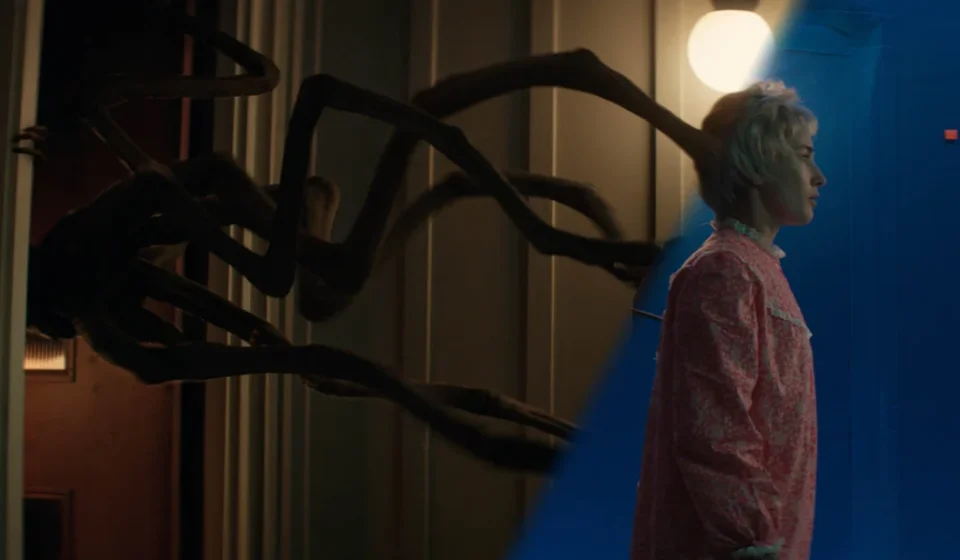
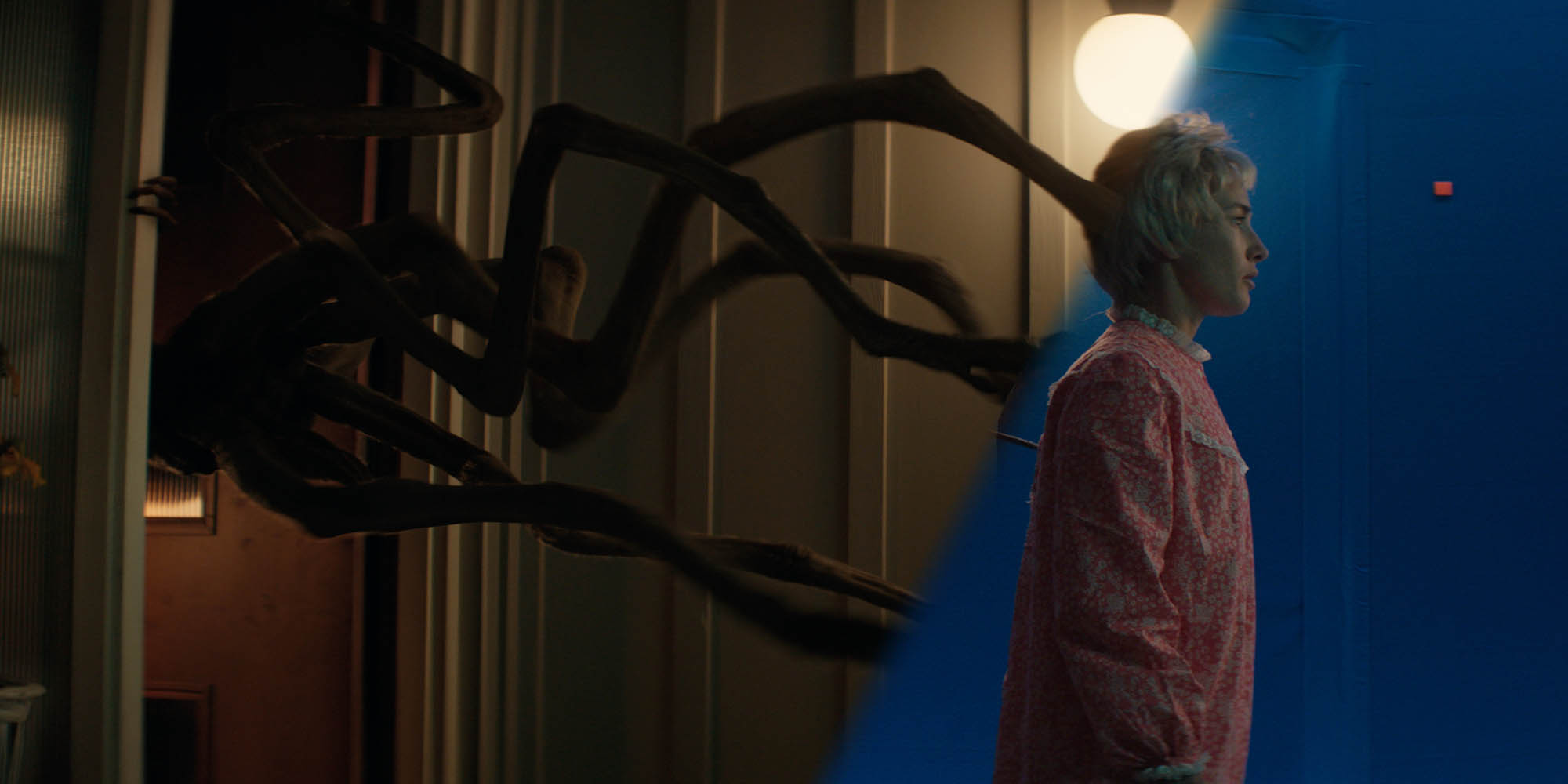
The production utilized a sophisticated hybrid pipeline that married practical puppetry with high-end digital simulation. By using practical puppets on set, the production ensured that actors could interact with a tangible presence, allowing for authentic eye lines, lighting references, and physical reactions.

Phase 3: The Digital Overhaul
Once the practical plates were captured, Industrial Light & Magic (ILM) took over to inject the creatures with "impossible" life. This involved layering complex muscle simulations, tendon tension, skin elasticity, and, most importantly, nuanced eye performance. The transition from the physical puppet to the fully realized digital creature was seamless, ensuring the audience never broke immersion.
Supporting Data: The Technical Marriage of Practical and Digital
A recurring theme in the discourse surrounding The Boroughs is the rejection of the "practical vs. digital" dichotomy. As seen in the series, the two disciplines are not opposing religions, but complementary tools in a unified performance pipeline.
- Practical Utility: Provided the necessary presence, skin texture, and organic light-scattering that often eludes early digital renders.
- Digital Capabilities: Provided the muscle anatomy, weight distribution, and micro-expressions that allowed the creatures to convey sadness, longing, and exhaustion.
ILM VFX Supervisor Steve Ellis noted that the digital work focused heavily on "micro-movements." By subtle adjustments to the eyelids and the tension in the facial musculature, the team could convey a creature’s internal state without a single line of dialogue. This level of detail is what ultimately facilitates the viewer’s psychological shift from fearing the creature to mourning for it.
Official Responses: Insights from the Creatives
Tara DeMarco: The Visionary Approach
Overall VFX Supervisor Tara DeMarco emphasized the intentionality behind the design. "The kids were designed to be both genuinely terrifying and ultimately heartbreaking," she explained. According to DeMarco, the key was maintaining a consistent emotional arc. The VFX team wasn’t just animating a monster; they were directing an actor whose face happened to be rendered in a computer.
Steve Ellis: The Technical Execution
For ILM’s Steve Ellis, the focus was on the "central character" aspect of the creature work. "When you are dealing with a character that the audience is meant to empathize with, you cannot rely on tropes," Ellis stated. "You have to ground the movement in reality—the weight of their limbs, the way they breathe, the way they struggle to move in a space that wasn’t built for them."
Implications for the Future of Creature VFX
The Boroughs sets a new benchmark for the "sympathetic monster" trope, joining the ranks of films like The Shape of Water or Pan’s Labyrinth. The implications for the industry are significant:
- The Shift Toward Performance-Driven VFX: The success of The Boroughs proves that audiences are eager for VFX that prioritizes character depth over spectacle.
- The Death of the "Either/Or" Pipeline: The show serves as a case study for why modern productions must embrace a hybrid model. Relying solely on one method often leads to a disconnect in the audience’s emotional engagement.
- Elevating Genre Television: By treating creatures as central, nuanced characters rather than "jump-scare" vehicles, the show elevates the horror genre, proving that high-budget visual effects can—and should—serve as a conduit for empathy.
Conclusion
The true success of The Boroughs lies in its ability to manipulate the viewer’s perspective. When we first encounter the "kids" in the dark, they are defined by their predatory behavior. By the series finale, the visual effects team has successfully recontextualized those same movements, transforming what we once saw as aggression into the desperate, labored motions of an abused captive.
Through the expert combination of practical artistry and digital innovation, the teams led by DeMarco and Ellis have achieved something rare in television: they have used the tools of fantasy to tell a deeply human story about exploitation, time, and the longing for home. In doing so, they have not only raised the bar for creature work but have also provided a compelling argument for the importance of performance, soul, and empathy in the digital age of filmmaking.