The Unsung Titan of the Golden Age: Revisiting the Legacy of Stuart Whitman and ‘Cimarron Strip’

In the vast, sprawling history of Hollywood, there exists a specific breed of performer that keeps the machinery of the industry grinding forward: the indefatigable, hyper-prolific character actor. Among this elite tier, few names command as much quiet respect—or appear in as many disparate corners of pop culture—as the late Stuart Whitman. While he graced the screen for nearly half a century, his legacy is often anchored to a brief, ambitious, and ultimately ill-fated 1967 Western experiment: Cimarron Strip.
The Ambition of Cimarron Strip: A West Without Law
Aired on CBS during the 1967–1968 television season, Cimarron Strip was an anomaly in an era dominated by half-hour sitcoms and standard-length procedurals. Running for 23 episodes, each installment was a hefty 90-minute feature-length production. It was an ambitious, sweeping attempt to bring the cinematic scope of John Ford-style Westerns to the living rooms of America.
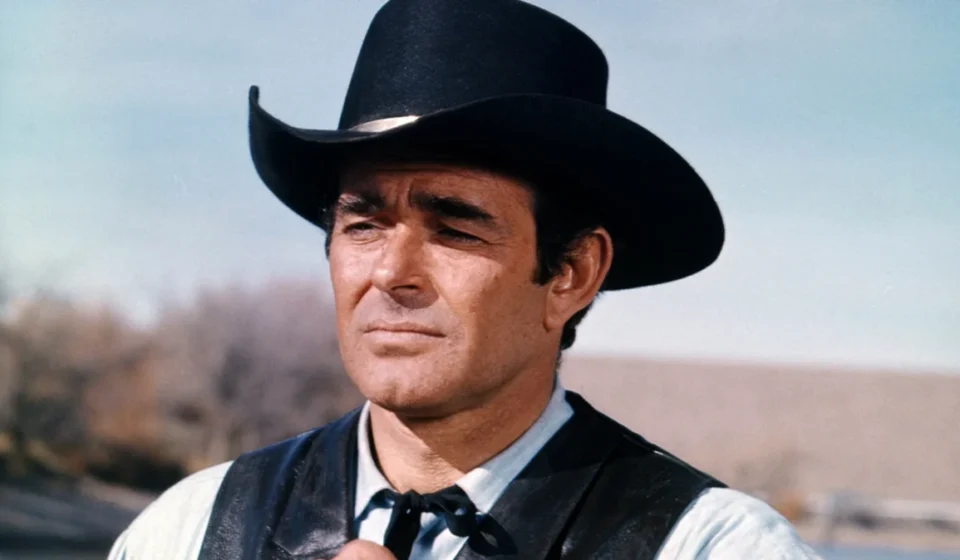
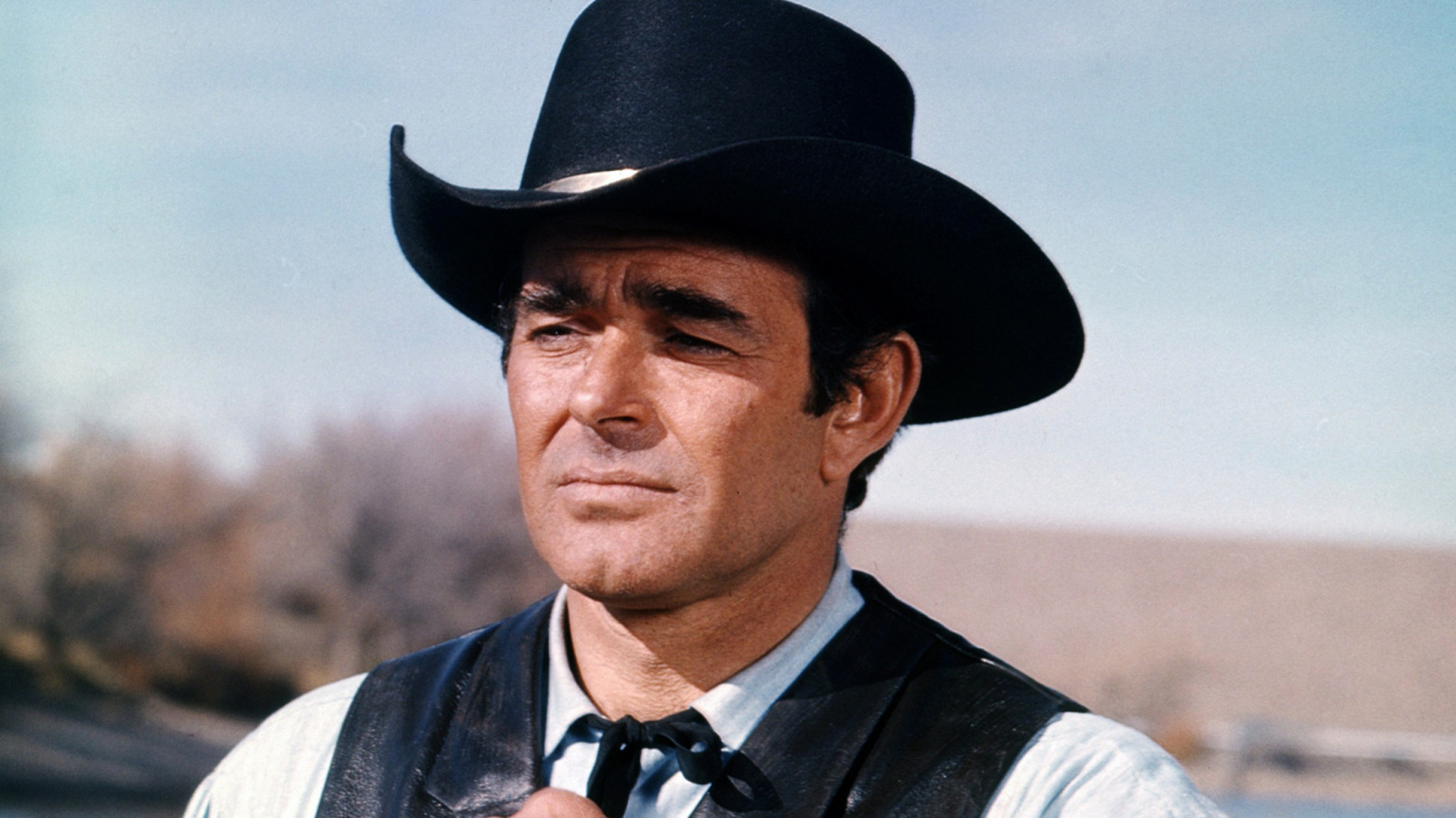
The series followed Marshal Jim Crown, portrayed with a stoic, weary gravity by Whitman. The narrative was set in 1880, focusing on a volatile, lawless tract of land sitting precariously between the Kansas border and the sovereign territory of the First Nations. This "Cimarron Strip"—which would eventually become the Oklahoma panhandle—was a place forgotten by Washington, abandoned by the U.S. Army, and ignored by state authorities.
Crown’s role was essentially impossible: he was the only source of order in a territory defined by chaos. The show’s primary conflict often stemmed from the clash between desperate, land-hungry settlers and the reality that the federal government had revoked their leases, leaving them in a state of perpetual, violent limbo. It was a gritty, high-stakes premise that allowed for a level of character development rarely seen in the television landscape of the late sixties.
Supporting the Strip: A Who’s Who of Future Icons
While Whitman served as the anchor, Cimarron Strip acted as a remarkable incubator for talent. The show’s supporting cast included Jill Townsend as the resilient Dulcey Coopersmith, who arrives in the territory to find her father dead and an inn in total disrepair. She is joined by Randy Boone, who played the ambitious, wide-eyed Francis Wilde, an aspiring reporter and photographer capturing the brutal truth of the frontier.
Beyond the regulars, the show’s guest star list reads like a roll call of Hollywood legends. Over its short lifespan, the series featured performances from heavyweights including Joseph Cotten, Leslie Nielsen, Robert Duvall, Michael J. Pollard, Elisha Cook, David Carradine, John Saxon, Darren McGavin, and a young Jon Voight. Perhaps most notably, the series attracted the writing talents of the notoriously litigious and brilliant science-fiction author Harlan Ellison, who penned an episode revolving around the eerie, anachronistic premise of a Jack the Ripper-style killer roaming the American frontier.
Chronology: A Career Built on Consistency
To understand the significance of Cimarron Strip in Whitman’s life, one must look at the sheer volume of his output. His career began in the early 1950s with uncredited appearances in landmark sci-fi classics like When Worlds Collide (1951) and The Day the Earth Stood Still (1951).
By the mid-1950s, Whitman had transitioned into the quintessential Western player, logging hours on The Roy Rogers Show and The Range Rider. His breakthrough into leading-man status came in 1957 with Johnny Trouble. However, it was his 1961 performance in Guy Green’s The Mark that cemented his status as a dramatic powerhouse, earning him a nomination for Best Actor at the Academy Awards.
Throughout the 1960s, Whitman was an ubiquitous presence. He was a cast member in the massive war epic The Longest Day (1962), a film that required the participation of the biggest stars of the decade. Yet, even as he reached the heights of A-list cinema, he remained committed to the television grind. He viewed no role as too small or too strange, famously appearing in the 1972 cult horror film Night of the Lepus, a movie featuring giant, killer rabbits that has since become a staple of "so-bad-it’s-good" cinema.
His later career saw him transition seamlessly into the television landscape of the 80s and 90s. Audiences of that era might recognize him as Jonathan Kent in the Superboy series, or from his guest spots on the primetime soap Knots Landing. He was a man who could command a screen in a gritty Western, play a father figure to a superhero, or provide the voice for a monster in the Nickelodeon hit Aaahh!!! Real Monsters.
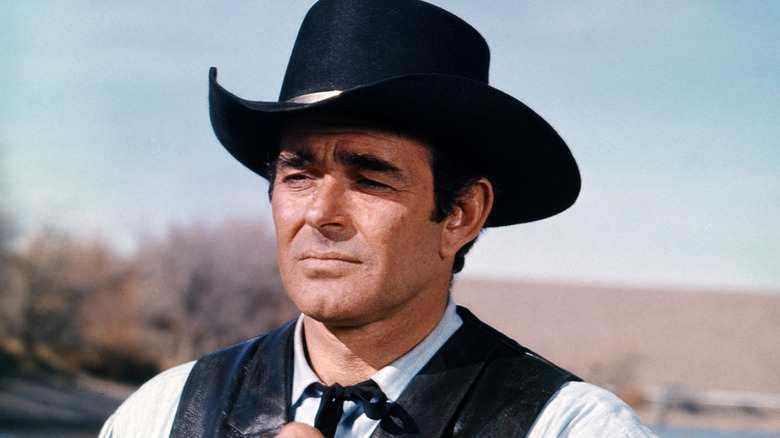
Supporting Data: The Statistics of a Legend
According to IMDb, Stuart Whitman’s filmography boasts 191 acting credits. This number is staggering, particularly when considering the quality of his work alongside the quantity.
- 1951: First screen credit.
- 1961: Academy Award nomination for The Mark.
- 1967–1968: Cimarron Strip (23 episodes of 90-minute television).
- 2000: Final screen appearance in The President’s Man with Chuck Norris.
- 2020: Passed away at age 92.
The volume of his work is not merely a record of employment, but a testament to his versatility. In an industry where typecasting is a common death sentence for an actor’s longevity, Whitman’s ability to pivot between the dramatic, the heroic, and the absurd kept him employed for nearly 50 years.
Official Perspectives and Industry Implications
Industry analysts and film historians often point to actors like Whitman as the "glue" of the studio system. While the marquee names provided the initial draw, actors like Whitman provided the reliability that allowed directors to experiment with complex narratives—such as the 90-minute structure of Cimarron Strip.
The show’s failure to sustain a longer run was not due to a lack of quality, but rather the immense production costs of filming 90-minute episodes on a weekly basis. In the late 60s, the television industry was moving toward more standardized, cost-effective formats. Cimarron Strip was, in many ways, too ahead of its time, mirroring the high-budget, "cinematic TV" trend that wouldn’t truly find its footing until the streaming era of the 21st century.
Following his retirement in 2000, Whitman largely stepped out of the public eye. His death in 2020 from skin cancer marked the end of an era. His Hollywood Walk of Fame star remains a physical monument to his contributions, but his true legacy is found in the hundreds of hours of footage that continues to circulate on streaming services and in private collections.
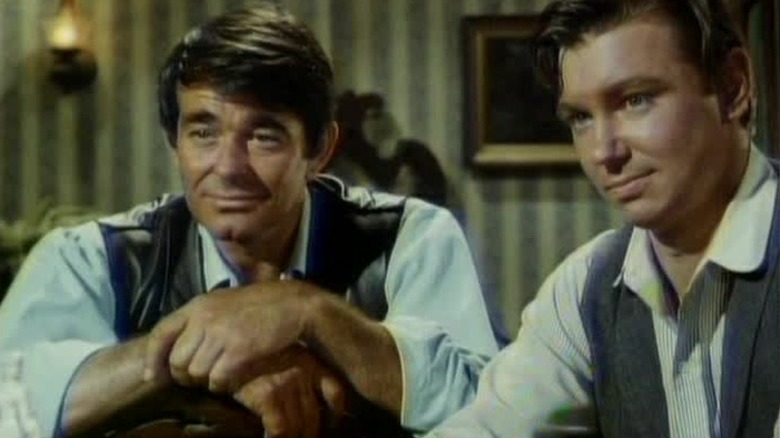
Conclusion: Why We Still Watch
Today, Cimarron Strip is a difficult show to track down. While streaming services like Fawsome offer a selection of the episodes, the full 23-episode run remains largely trapped on out-of-print DVD box sets. This scarcity only adds to the show’s allure.
For the modern viewer, revisiting Cimarron Strip is not just an exercise in nostalgia for the classic Western; it is an opportunity to watch a master craftsman at work. Stuart Whitman brought a soulful, hangdog sincerity to Jim Crown, a man standing between civilization and savagery. Whether he was battling bandits in the Oklahoma panhandle or dodging giant rabbits in the Arizona desert, Whitman’s commitment never wavered. He reminds us that the history of cinema is not just written by the icons who stay in the spotlight, but by the professionals who keep the cameras rolling, one scene at a time.