Echoes from the Mine: Jordan Dykstra’s Haunting Score for Dark Hollow Set for Release

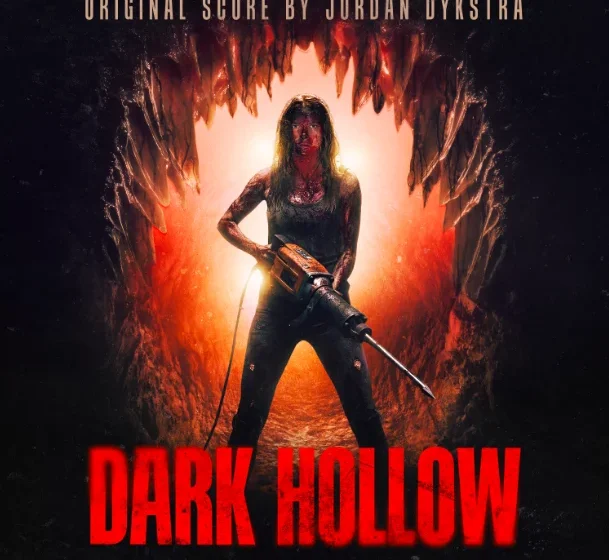
Editions Verde has officially announced the upcoming release of the original motion picture soundtrack for the highly anticipated indie creature feature Dark Hollow. Composed by the acclaimed Jordan Dykstra—whose evocative work has previously graced projects such as the Academy Award-winning 20 Days in Mariupol and the atmospheric thriller Blow the Man Down—the score promises to be as haunting as the film’s Appalachian setting. The digital album is scheduled to debut on Friday, September 4, coinciding with the film’s wide release.
The Sound of Appalachian Dread: Main Facts
Dark Hollow marks a bold entry into the creature-feature subgenre, blending regional folklore with visceral horror. At the heart of the project is the tension between the domestic and the monstrous. Directed by Daniel Byers, the film follows a young mother forced to defend her family against an ancient, nightmarish entity unearthed from the depths of an Appalachian coal mine.
Jordan Dykstra’s involvement in the project underscores the production’s commitment to high-caliber artistry. Known for his ability to weave minimalist sensibilities with raw, emotional depth, Dykstra’s score serves as a critical narrative layer. The soundtrack, which spans 20 tracks, traverses the sonic landscape of isolation, grief, and survival.
The film stars an ensemble cast including June Shreiner, David Garelik, J. Stephen Brantley, Brennon Weese, Jonathan Spivey, Ian Deighan, and Sean Michael Wilkinson. As Brainstorm Media prepares to launch the film in select theaters and via VOD platforms on September 4, the soundtrack acts as a crucial companion piece, capturing the claustrophobic dread of the film’s subterranean antagonist.
A Descent into Darkness: The Chronology of Production
The journey of Dark Hollow from concept to screen reflects the rigorous demands of independent filmmaking. The project was greenlit following a period of intense development, during which director Daniel Byers sought to ground his creature-feature roots in the authentic, often somber reality of the Appalachian coal mining industry.
- Pre-Production (Late 2024): The script, written by Byers, underwent several revisions to ensure the creature’s lore felt integrated into the specific history of the region. Casting was finalized, focusing on actors capable of portraying the psychological toll of the film’s central conflict.
- Production (Early 2025): Principal photography took place on location, utilizing authentic mining environments to heighten the realism of the film’s claustrophobic setting. The physical production was designed to mirror the film’s themes of exhaustion and relentless pursuit.
- Post-Production and Scoring (Mid 2025): Jordan Dykstra was brought on board to provide the auditory identity of the film. Dykstra’s process involved field recording in industrial settings to capture the percussive, metallic textures that eventually became the backbone of the score.
- Release Strategy (September 2026): The synergy between the film’s theatrical/VOD release and the soundtrack debut on September 4 is a strategic move by Brainstorm Media and Editions Verde, designed to capitalize on the horror community’s appetite for atmospheric, curated scores.
Anatomy of the Score: Supporting Data
The tracklist for the Dark Hollow soundtrack reveals a deliberate narrative arc, moving from domestic stability to existential terror. The music shifts from the somber, folk-inspired textures of tracks like "Family Values" and "Memories of Love Lost" to the industrial, aggressive soundscapes of "Black Lung" and "Born to Slay."
The Tracklist:
- Dark Hollow
- Family Values
- Tomorrow Will Be Better
- Coal Country
- Coal Dust (feat. Barbara Byers)
- The End of the Rope
- A Decision to Make
- Memories of Love Lost
- Something Lurking Outside
- I Can Feel Something Is Wrong
- On His Tail
- Subconscious Communication
- A Monster Among Us
- Black Lung
- Drink Away the Pain
- Born to Die
- Born to Slay
- Born to Survive
- A World Unknown
- Don’t Go Down (feat. Barbara Byers)
The inclusion of Barbara Byers on "Coal Dust" and "Don’t Go Down" adds an essential human element to the composition, grounding the ethereal, synth-heavy score in the visceral, vocal traditions of the Appalachian region.
Voices from the Dark: Official Perspectives
While the production team has kept the specifics of the monster’s design largely under wraps to preserve the element of surprise, director Daniel Byers has spoken briefly about the collaborative effort with Dykstra.
"The creature is not just a physical threat; it is a manifestation of historical trauma buried deep beneath the earth," Byers noted in a recent production briefing. "Jordan’s music doesn’t just underscore the scares; it creates the psychological architecture of the mine. Every creak, every drone, every vocal swell is designed to make the audience feel the weight of the mountain pressing down on them."
Jordan Dykstra, reflecting on his creative process, noted that the challenge was to avoid standard horror tropes. "I didn’t want to rely on jump-scare stings," Dykstra stated. "The goal was to create a constant, low-frequency pressure—a sound that makes the viewer feel like the air is getting thinner the longer they watch."
The Implications of the "Creature Feature" Revival
The release of Dark Hollow arrives at a pivotal time for the horror genre. Recent years have seen a resurgence of interest in "contained" creature features—films that prioritize character development and regional atmosphere over CGI-heavy spectacle.
Economic and Cultural Impact
The decision by Brainstorm Media to release the film simultaneously in theaters and on VOD indicates a shift in how independent horror is consumed. By coupling the film with a high-fidelity digital soundtrack release, the producers are catering to the growing demographic of "audiophile horror fans"—viewers who value the auditory experience as much as the visual one.
Furthermore, by setting the film in an Appalachian coal mine, Dark Hollow taps into a rich history of folk-horror. The film’s success could potentially pave the way for more diverse regional stories that utilize the horror genre to explore socio-economic histories. The "Coal" imagery in the tracklist is not merely aesthetic; it serves as a metaphor for the film’s core themes of labor, exhaustion, and the long-lasting impact of environmental exploitation.
The Role of the Composer in Modern Horror
Jordan Dykstra’s career path—from the stark, reality-based documentary work of 20 Days in Mariupol to the rural crime drama of Blow the Man Down—highlights the changing role of the modern film composer. Today’s composers are expected to be sound designers as much as traditional musicians. Dykstra’s ability to bridge these worlds is a testament to the sophistication of contemporary film scoring, where the line between "music" and "noise" is increasingly blurred to maximize viewer immersion.
Conclusion: A Must-Listen Experience
As the September 4 release date approaches, the excitement surrounding Dark Hollow continues to mount. Whether the film succeeds as a genre staple remains to be seen, but the score is already being positioned as one of the year’s most compelling auditory journeys. By integrating the personal, human elements of the Appalachian experience with the terrifying, unknowable nature of the monster, Dykstra has crafted a soundtrack that is destined to haunt listeners long after the final credits roll.
For fans of experimental horror scores and those who appreciate the intersection of folklore and fright, the Dark Hollow soundtrack is a mandatory addition to the library. Keep a close watch on the official Editions Verde portal for the impending release links, and prepare to descend into the hollow.