
By Alex Billington
November 1, 2026
In the rugged, windswept highlands of Montenegro, where the Sinjajevina plateau stretches toward the clouds like a primordial giant, a battle is being waged. It is not merely a dispute over borders or bureaucratic zoning; it is a profound clash between the ancient rhythm of pastoral life and the cold, mechanical encroachment of modern military infrastructure. This is the heart of To Hold a Mountain, the acclaimed documentary from filmmakers Biljana Tutorov and Petar Glomazić, which has emerged as one of the most vital cinematic voices of 2026.
Following its triumphant debut at the 2026 Sundance Film Festival, where it secured the prestigious World Cinema Grand Jury Prize for Documentary, the film is finally preparing for its North American theatrical release. Distributed by Submarine Deluxe, the film is scheduled to hit select U.S. theaters on December 16, 2026.
The Core Conflict: Gara, Nada, and the Sinjajevina Plateau
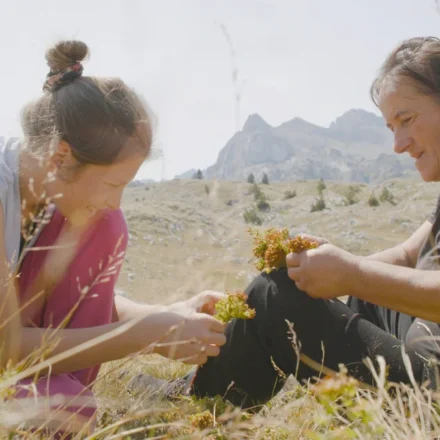
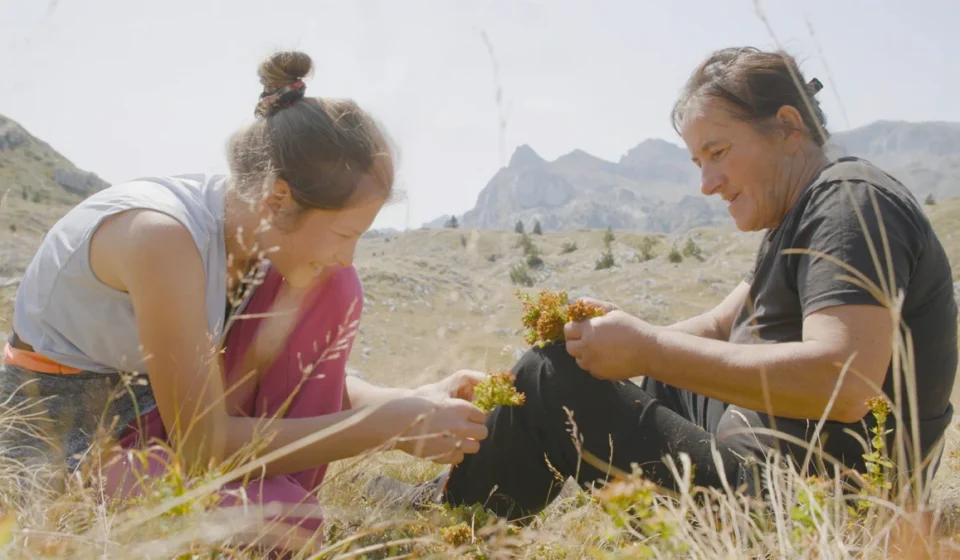
At the center of To Hold a Mountain are two women: Gara, a fierce and resilient shepherd, and her 13-year-old daughter, Nada. For generations, their family has returned to the Sinjajevina pastures every summer, a cyclical migration that defines their existence. They herd their animals, harvest mountain herbs, and live in a state of near-spiritual symbiosis with the land, which they refer to simply as "Mother."

However, this fragile, centuries-old equilibrium is shattered when the Montenegrin government announces plans to transform this protected landscape into a NATO-backed military training ground. The trailer, recently unveiled by Submarine Deluxe, captures the visceral tension of this transformation. "Only our people know how to protect this mountain," a voice intones against the backdrop of mist-covered peaks and the encroaching presence of heavy machinery.
Gara, once a private guardian of her family’s heritage, finds herself thrust into the role of an unlikely activist. Her decision to challenge the state directly—organizing protests and becoming a rallying point for local resistance—transforms her from a shepherd into a symbol of grassroots defiance. Yet, the film’s narrative is far more nuanced than a simple David-versus-Goliath political procedural. As Gara fights for the land, her daughter Nada is coming of age. The encroaching violence on the plateau serves as a mirror for the internal landscape of the family, forcing Nada to confront her mother’s past, the cycle of intergenerational trauma, and the daunting prospect of her own future.
Chronology of the Resistance
To understand the weight of the film, one must look at the timeline of the actual struggle for Sinjajevina, which has been a flashpoint of contention for years:
- Pre-2019: The Sinjajevina plateau remains a traditional grazing ground, largely untouched by major industrial or military development, serving as a sanctuary for nomadic shepherding communities.
- 2019-2020: The Montenegrin government designates the plateau as a military training site. Local residents, environmentalists, and farmers begin a series of organized sit-ins, preventing military exercises through non-violent occupation of the land.
- 2021-2023: As the political climate shifts, international environmental organizations and human rights watchdogs begin to take note of the Sinjajevina struggle, framing it as a case study in the tension between national defense mandates and environmental preservation.
- January 2026: To Hold a Mountain premieres at the Sundance Film Festival. The documentary synthesizes years of observational footage, capturing the specific, intimate evolution of Gara’s activism alongside the broader geopolitical struggle.
- November 2026: The official trailer release signals the start of the promotional campaign for the film’s U.S. theatrical rollout.
- December 16, 2026: To Hold a Mountain is slated for wide-scale exhibition in the United States, bringing the struggle of the Sinjajevina people to a global audience.
Supporting Data: Environmental and Geopolitical Stakes
The Sinjajevina plateau is not merely a scenic backdrop; it is the largest mountain pasture in the Balkans and a vital ecosystem. The proposed military training ground represents a significant threat to biodiversity. Environmental assessments—frequently cited in the film and by advocacy groups—highlight that the introduction of explosives, heavy vehicles, and chemical residue would irreversibly alter the soil composition and threaten the migratory patterns of livestock and local wildlife.

Furthermore, the geopolitical implications are complex. Montenegro’s accession to NATO brought the country into a strategic alliance, but the integration of remote, pristine regions into military use highlights a disconnect between Brussels-based security priorities and the local socio-economic realities of highland communities. To Hold a Mountain manages to bridge this gap, showing that for families like Gara’s, "national security" is a concept that feels abstract and destructive when it physically displaces their history and their livelihood.
The Director’s Vision: Tutorov and Glomazić
The film is the result of a collaborative effort between Biljana Tutorov, known for her sharp eye in When Pigs Come, and Petar Glomazić. Their directorial partnership brings a dual perspective to the screen: Tutorov’s penchant for examining the structural roots of domestic and social conflict, and Glomazić’s deep, firsthand understanding of the Balkan landscape and its political undercurrents.
In interviews during the festival circuit, the duo described the filmmaking process as an exercise in "deep listening." They spent years on the plateau, allowing the story to unfold naturally rather than imposing a narrative structure onto the participants. This "fly-on-the-wall" approach is precisely what makes the film’s climax—the intersection of Gara’s public protest and Nada’s private maturation—so devastatingly effective. It is not a film about a protest; it is a film about the people who are forced to become protestors because they have nowhere else to go.
Implications for Global Documentary Cinema
To Hold a Mountain arrives at a time when the documentary genre is increasingly pivoting toward personal stories that illuminate broader systemic crises. By focusing on the mother-daughter dynamic, the filmmakers ensure that the audience remains grounded in the human cost of the conflict.

The film has already begun to generate significant discourse among human rights activists and environmental scholars. It raises uncomfortable, necessary questions:
- Who owns the land? Is it the state, which holds the legal deed, or the community that has stewarded the earth for centuries?
- What is the cost of "security"? When military training grounds replace ancestral pastures, does the resulting environment become safer, or does it lose the very things that make it worth defending?
- Can cycles of violence be broken? The film suggests that the external violence of the military project is inextricably linked to the internal, cyclical violence of family history. By resisting the former, Gara is, in some ways, attempting to heal the latter.
Official Responses and Anticipation
While the Montenegrin government has maintained that the military training ground is essential for national defense and NATO interoperability, the international reception of the film has put renewed pressure on the issue. With the Sundance Grand Jury win acting as a badge of critical excellence, the film is expected to serve as a rallying cry for various international conservationist groups.
Submarine Deluxe, known for handling high-profile documentaries, has signaled high expectations for the film’s performance in the U.S. market. The December release date positions To Hold a Mountain as a potential contender for year-end awards, and the buzz surrounding the film suggests it will be a cornerstone of the documentary circuit well into 2027.
Conclusion: A Must-Watch Cinematic Discovery
In an era of endless, disposable content, To Hold a Mountain stands out as a profound, meditative, and ultimately urgent piece of filmmaking. It is a rare work that succeeds on two distinct levels: as a gripping piece of investigative journalism regarding the defense of Sinjajevina, and as a tender, often painful portrait of a mother trying to navigate the complexities of raising a daughter in a world that is rapidly shifting beneath their feet.

For those interested in the intersections of environmentalism, human rights, and the intimate psychology of family, this film is essential viewing. It reminds us that behind every geopolitical headline is a human story—one that is often etched into the very soil that people are fighting to save.
As the release date approaches, the question remains: will the world listen to the voices of Sinjajevina? If the impact of this documentary is any indication, the answer is a resounding "yes."
To Hold a Mountain opens in select U.S. theaters on December 16, 2026. For those seeking a film that challenges, moves, and inspires, this is the discovery of the year.