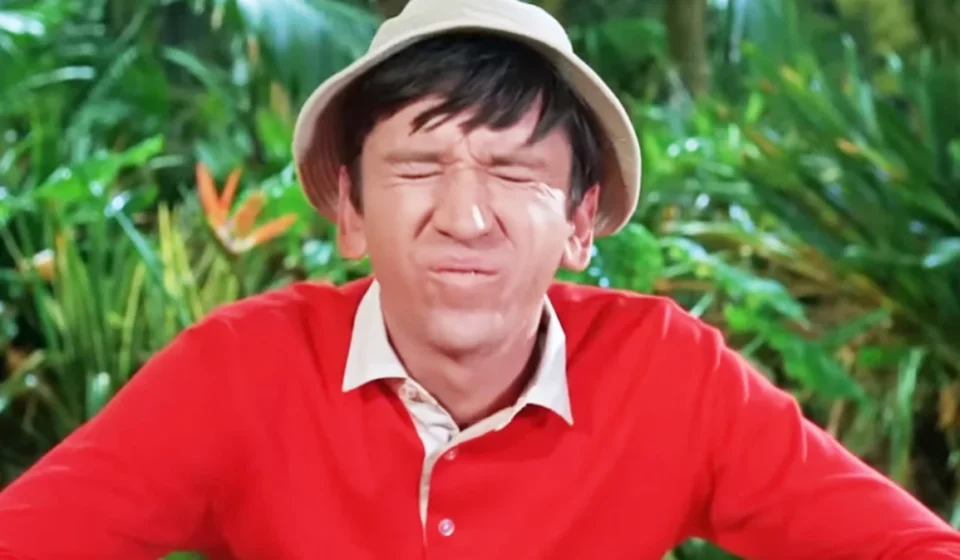
The Secret Life of a Hollywood Landmark: How the Gilligan’s Island Lagoon Became TV’s Most Versatile Set

In the golden age of television, the magic of the screen often relied on a mix of ingenuity, budget constraints, and the strategic recycling of physical assets. While audiences in the 1960s were captivated by the plight of seven castaways marooned on a tropical paradise, they were unknowingly watching a piece of infrastructure that would eventually become the most utilized, and perhaps the most iconic, backlot set in the history of CBS Studio Center.
The "Gilligan’s Island" lagoon was more than just a backdrop for slapstick comedy; it was a flexible, durable, and highly sought-after filming location that hosted everything from gritty Westerns to high-stakes spy capers. This is the story of how a single man-made body of water helped define the aesthetic of mid-century American television.
Main Facts: A Production Hub at CBS Studio Center
Located in Studio City, California, the CBS Studio Center served as the nerve center for some of the most influential programs in television history. Central to its operations was the sprawling outdoor set created for Sherwood Schwartz’s "Gilligan’s Island."
When the show debuted in 1964, the production team faced the challenge of creating a believable, immersive island environment on a limited television budget. The result was a sophisticated lagoon set that featured realistic water features, tropical flora, and rugged terrain. What made this set a triumph of production design was its modular nature. Though it appeared to be a static location, it was essentially a "blank canvas" that could be redressed to suit the needs of a wide variety of genres.
The set’s longevity was remarkable. Long after the SS Minnow had been dismantled and the castaways had left the airwaves in 1967, the lagoon remained a permanent fixture on the lot. It stood for nearly three decades, serving as a silent, aquatic workhorse until it was finally demolished in the mid-1990s to make room for additional parking facilities.
A Chronological Evolution of the Lagoon
The history of the lagoon is a microcosm of the evolution of the television industry itself. To understand how it shifted from a desert island to a dramatic set piece, one must look at its timeline.
The Foundation (1964–1967)
During its original run, "Gilligan’s Island" utilized the lagoon for every episode, establishing the geography of the island in the minds of millions of viewers. Because the show was filmed on a regular cycle, the crew became masters of maintenance, constantly refreshing the foliage to keep the "tropical" look vibrant.
The Era of Shared Utility (1967–1975)
Following the cancellation of "Gilligan’s Island," the set became a communal asset for CBS. As producers realized the cost-effectiveness of using an existing, fully realized exterior, the lagoon saw a rapid succession of transformations. It was during this period that "Get Smart" famously utilized the location for its meta-humor episode, "Schwartz’s Island."
The Late-Stage Adaptations (1976–1995)
By the 1980s, the set had aged, but it had also gained a sense of prestige. It was no longer just a "Gilligan" set; it was a historical landmark. Shows like "St. Elsewhere" and "Evening Shade" utilized the space, demonstrating that the lagoon could transition from a comedic backdrop to a dramatic setting with the right lighting and camera angles.
Supporting Data: The Versatility of a Single Set
The sheer number of series that utilized the lagoon underscores the immense value of studio infrastructure in the 1960s and 70s. The set was not merely a passive background; it was a chameleon.
- The "Gunsmoke" Connection: Perhaps the most jarring transformation occurred when the lagoon was drained or redressed for "Gunsmoke." As cast member Dawn Wells once noted, the tropical flora of the castaways’ home would be stripped away and replaced with sagebrush, tumbleweeds, and arid rock formations to simulate the dusty trails of the American West.
- "It’s About Time": Creator Sherwood Schwartz was arguably the most frequent user of his own creation. In his subsequent sitcom "It’s About Time," which centered on two astronauts trapped in the prehistoric past, the lagoon served as the primeval environment. The show borrowed everything from the lagoon itself to specific props like the spaceship set, proving that the synergy between shows under the same creative umbrella was a hallmark of the era.
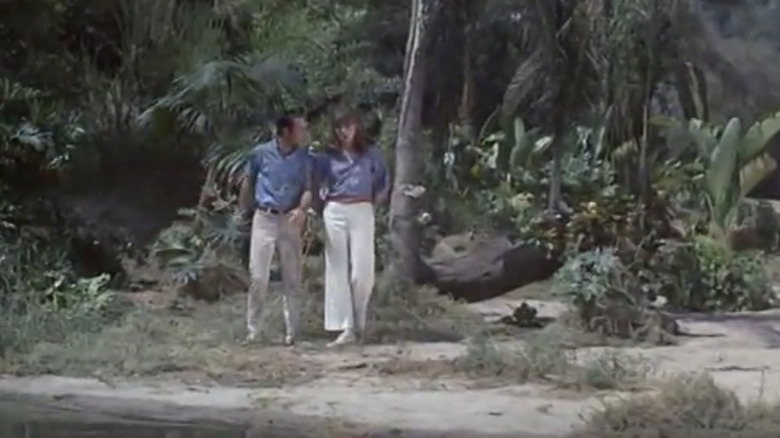
- The "Get Smart" Homage: The 1968 episode "Schwartz’s Island" stands as the most self-aware moment in the set’s history. By naming the island after the creator of "Gilligan’s Island" and featuring a plot where Maxwell Smart and Agent 99 are shipwrecked, the show acknowledged the "hallowed ground" of the lagoon. It transformed the set into a character itself, winking at the audience who understood exactly where they were.
Official Responses and Industry Anecdotes
The actors who worked on these sets often spoke with a mix of fondness and humor regarding the constant state of change at CBS Studio Center. Dawn Wells, in interviews conducted before the set’s eventual destruction, recalled the surreal experience of arriving at work to find a completely different environment than the one she had left the day before.
"We’d go on the stage a few days," Wells recalled, "and all the tropical trees would be replaced by sagebrush and tumbleweeds for a ‘Gunsmoke’ episode." This reflects the high-pressure, high-efficiency nature of studio filming at the time. There was no sentimentality; there was only the schedule and the bottom line.
Sherwood Schwartz himself, in various reflections on his career, often expressed pride in the longevity of the lagoon. He viewed the set not as a disposable prop, but as a masterpiece of functional design. The fact that the set outlived the show by nearly 30 years is a testament to the quality of the construction and the ingenuity of the artisans who built it.
Implications: The Legacy of Studio Sets
The story of the "Gilligan’s Island" lagoon holds significant implications for how we view television history today.
The Death of the Physical Set
The demolition of the lagoon in the mid-1990s marked the end of an era. As television production shifted toward more location shooting and, eventually, digital environments, the need for large-scale, permanent outdoor sets like the lagoon diminished. The transition to parking lots was symbolic: the physical, tangible world of classic television was giving way to the logistical demands of a modern studio lot.
The Evolution of Fan Culture
Today, the "Gilligan’s Island" lagoon is remembered by fans with a degree of reverence. The meta-narrative established by shows like "Get Smart"—which acknowledged the set’s history—paved the way for modern fan culture. We now track "Easter eggs" and "shared universes" with ease, but in 1968, the use of the lagoon was a pioneering act of cross-show continuity, even if it was born out of economic necessity.
A Lesson in Resourcefulness
The "Gilligan’s Island" lagoon serves as a masterclass in production resourcefulness. In an age where CGI can create any environment, the reliance on a single, physical set that could be transformed through art direction, lighting, and creative camera work is a reminder of the craftsmanship that defined mid-century television.
The legacy of the lagoon is ultimately one of continuity. It connected the slapstick of the castaways to the spy-fi thrills of Maxwell Smart and the rugged realism of the Old West. It was a silent witness to the creative explosion of the 1960s, a physical anchor for a decade that was constantly shifting. While the concrete of a parking lot now sits where the castaways once hunted for coconuts, the "Gilligan’s Island" lagoon remains etched in the collective memory of television history—a reminder that in Hollywood, everything old is eventually made new again, one prop, one set, and one camera angle at a time.