The Resurrection of a Downtown Legend: How No Picnic Captured the Soul of a Vanishing New York

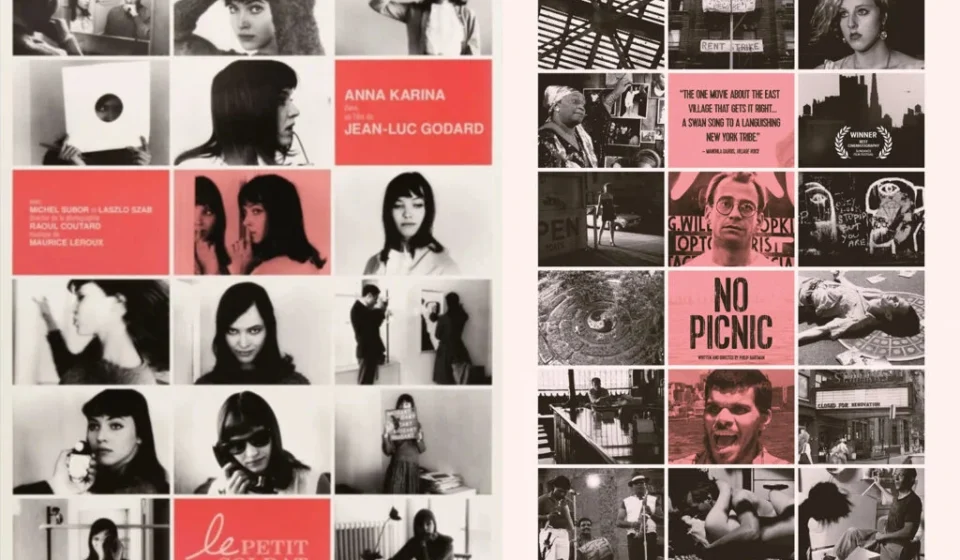
In the pantheon of New York independent cinema, few films have experienced a trajectory as improbable as Phil Hartman’s 1986 feature, No Picnic. A gritty, noir-inflected punk comedy shot on lustrous 16mm, the film serves as a visceral, ethnographic time capsule of the Lower East Side—a neighborhood that, at the time, was already teetering on the edge of a radical transformation. After nearly four decades in the shadows, relegated to the dusty shelves of a defunct video store, No Picnic has emerged as a surprise box-office phenomenon, proving that the struggle to carve out a creative life in an unforgiving city is an eternal New York story.
The Genesis of an Underground Classic
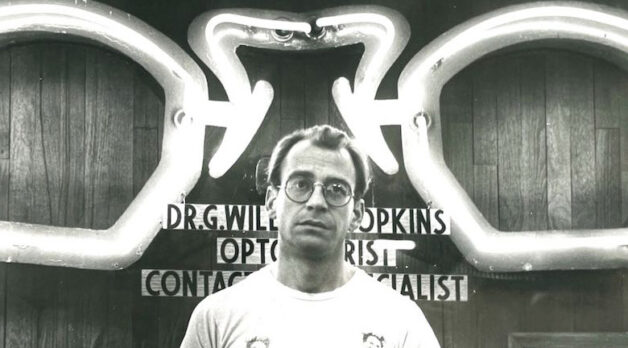
The story of No Picnic begins not in a boardroom, but in the vibrant, chaotic ecosystem of 1980s NoHo. Phil Hartman, a quintessential downtown cinephile, had established himself as a local fixture by co-founding the Great Jones Cafe, a Cajun-inspired bar that became a watering hole for the neighborhood’s artistic vanguard. Utilizing the profits from his hospitality ventures, Hartman set out to capture the lightning-in-a-bottle energy of a world he knew was rapidly disappearing.
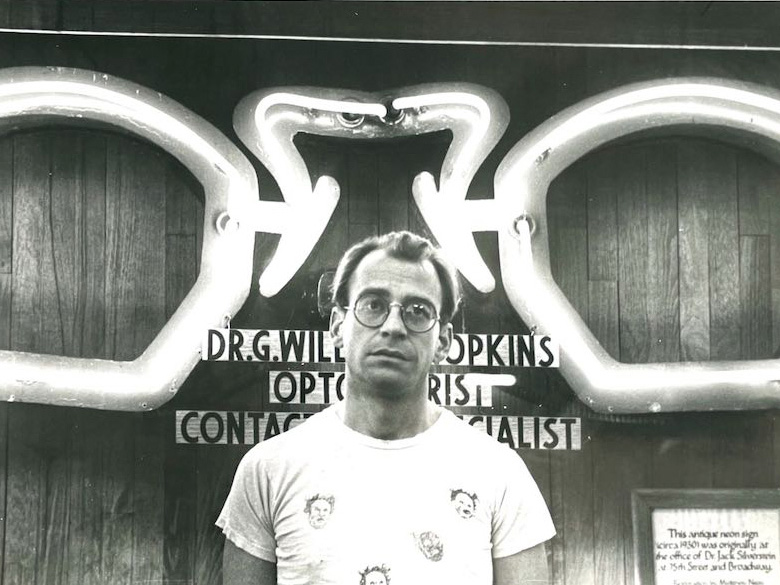
Working alongside experimental filmmaker Peter Hutton, who provided the film’s striking, textured black-and-white cinematography, Hartman began documenting the LES—a landscape defined by rubble, empty lots, and the fading remnants of a pre-gentrification era. The film was an episodic ramble, featuring an authentic, lived-in performance by David Brisbin as Mac, a 30-something former musician navigating the precarious economics of the era by stocking jukeboxes and vending machines.
The production was a grassroots effort, financed by Hartman’s subsequent venture, Two Boots Pizza, and supported by Wim Wenders’ production company, Gray City Films. It was a project defined by urgency; Hartman and his crew were literally racing to capture local landmarks like Adam Purple’s iconic garden and Bleecker Bob’s Records before they were swallowed by the rising tide of real estate development.
A Chronology of Obsolescence and Rebirth
The history of No Picnic is a masterclass in the ebbs and flows of independent film distribution. Upon its completion in 1987, the film premiered at the Sundance Film Festival, where it secured the award for cinematography—a testament to Hutton’s visual prowess.
Despite early momentum, the film’s path to screens was fraught. Plans for an exclusive run at the St. Mark’s Cinema were derailed when Gray City Films folded. The film was eventually rescued by Jonas Mekas, who provided a platform at the legendary Anthology Film Archives in 1990. Bolstered by a glowing review from The Village Voice critic Manohla Dargis—who hailed it as a "valentine to a neighborhood under siege"—the film enjoyed a record-setting six-week run.
However, following that brief moment in the spotlight, No Picnic largely vanished. For 35 years, it remained a phantom, accessible only via VHS or DVD at the Two Boots Video Store, a cultural hub that also housed the Pioneer Theater. When the Pioneer closed in 2008 due to rising rents, it seemed the curtain had finally fallen on Hartman’s project.
The revival began in 2025, sparked by a serendipitous connection between Hartman and Mary Engel, daughter of The Little Fugitive creators Morris Engel and Ruth Orkin. Through a series of chance encounters, the film reached Jake Perlin of The Film Desk, a distributor dedicated to rescuing forgotten cinema. Perlin, having been a student of Hutton’s at Bard College, recognized the film’s cultural weight. Following a successful restoration and a high-profile premiere at MoMA’s "To Save and Project" series, the film defied industry skepticism to secure a theatrical run at Film Forum in April 2026.
Supporting Data: A Box Office Miracle
The commercial performance of No Picnic during its 2026 run at Film Forum is nothing short of historic. Initially programmed with minimal expectations, the film shattered records, grossing over $28,000 in its opening week—a staggering figure for a repertory title.
By the end of its twelve-week engagement, the film had accumulated $123,000, placing it in the upper echelon of the theater’s all-time repertory successes. To put this in perspective, it outperformed legendary classics such as Federico Fellini’s 8½ ($120,000) and Akira Kurosawa’s The Seven Samurai ($103,000). The audience demographic shifted as the weeks progressed; what began as a gathering of the aging downtown crowd evolved into a multi-generational phenomenon, with younger viewers flocking to witness a version of New York they had only heard about in stories.
The "Terroir" of the East Village: Official Perspectives
The film’s enduring resonance lies in its refusal to be merely nostalgic. Phil Hartman describes the film’s quality as "terroir"—a term usually reserved for wine, denoting the specific environmental factors that give a vintage its character. "You can feel the earthiness of the East Village and the rubble, the empty lots, the abandoned buildings," Hartman notes. "There’s something really appealing about that."
For those who lived through the era, the film is a document of survival. Producer Christine Vachon, who contributed to the film’s sound editing, views it as a "perfect time capsule that in a funny way has folded back onto this time." The film’s core conflict—the struggle to afford a life in a city that treats its artists as disposable—remains as relevant in 2026 as it was in 1986.
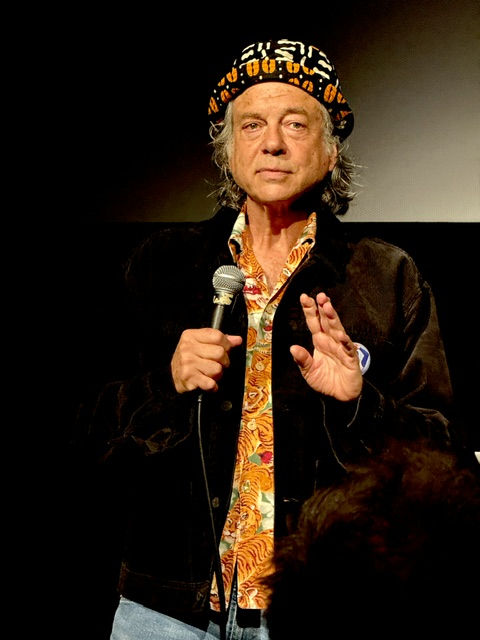
Manohla Dargis, reflecting on the film’s resurgence, suggests that the evergreen nature of the affordability crisis is what anchors the film in the present. "The film speaks to the familiar, relatable issue of affordability," she says. "It captures a world that is sort of past, but the struggle to lead a creative and meaningful life is eternal."
Implications: A Lesson for Modern Filmmakers
The success of No Picnic carries significant implications for the state of independent cinema. It challenges the assumption that "niche" or "dated" films cannot find a modern audience. It also highlights the vital role of archival restoration and independent distribution in maintaining cultural memory.
For young filmmakers like Meg Aubry, who represents the current generation of New York artists, No Picnic serves as an educational bridge. "We don’t really know the grounds we’re stomping on," she explains. "It felt like an education in New York culture." The film’s ability to blend parody, noir, and gritty realism has proven that audiences are hungry for stories that do not merely reflect the present, but offer a dialogue with the past.
Ultimately, No Picnic has transcended its status as a piece of local ephemera. By documenting the "end of an era," Hartman inadvertently created a blueprint for how to survive in a city defined by constant change. As the film concludes its triumphant return, it leaves behind a clear message: while the storefronts and the people may change, the spirit of the "New York tribe"—the poets, the dreamers, and the hustlers—remains a persistent, unyielding force. The wine has finally finished fermenting, and the world is finally ready to taste it.