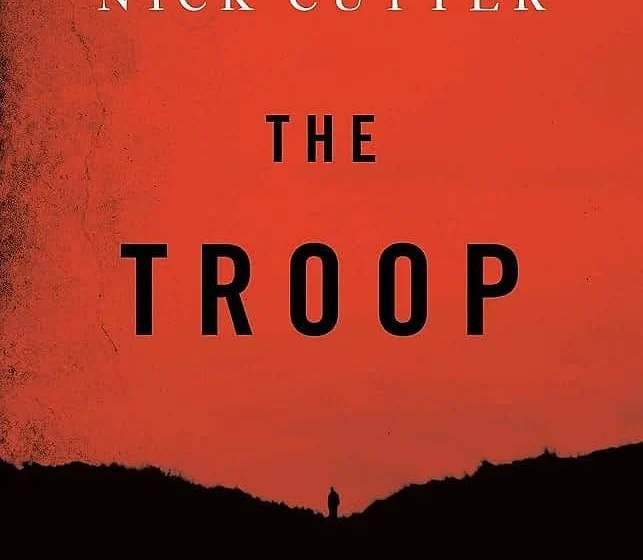
Survival of the Grossest: Paramount Primal Greenlights Adaptation of Nick Cutter’s Horror Masterpiece, ‘The Troop’

The landscape of modern horror cinema is about to undergo a visceral, stomach-churning transformation. Paramount Pictures, through its specialized genre division Paramount Primal, has officially signaled its intent to bring one of the most harrowing novels of the 21st century to the silver screen: Nick Cutter’s 2014 breakout novel, The Troop.
For horror aficionados, the announcement is more than just another book-to-film adaptation; it is the potential arrival of a new, uncompromising standard for body horror. Known for its unrelenting pace, psychological degradation, and "unfilmable" gore, The Troop has long been considered a "holy grail" for genre filmmakers brave enough to tackle its dark, visceral subject matter.
The Core Narrative: A Descent into Biological Nightmares
At its heart, The Troop serves as a contemporary, blood-soaked reimagining of William Golding’s Lord of the Flies. The plot follows a scout troop led by their dedicated scoutmaster, Tim Riggs, who take their annual excursion to a remote island off the coast of Prince Edward Island, Canada.
What begins as a standard exercise in wilderness survival and camaraderie quickly devolves into a desperate fight for existence when a gaunt, starving stranger arrives on their shore. This intruder is not merely sick; he is the host of a bioengineered, insatiable organism—a parasitic nightmare that consumes its victims from the inside out.
As the infection takes hold, the boys are forced to grapple with the collapse of social order. Paranoia, isolation, and the agonizing physical toll of the parasite turn the protagonists against one another, leading to a harrowing examination of how quickly humanity dissolves when faced with an existential, agonizing end.
Chronology of Development: From Page to Screen
The journey of The Troop from a cult-classic paperback to a high-profile Paramount project has been a decade-long odyssey of anticipation.
- 2014: Nick Cutter (the pseudonym for Canadian author Craig Davidson) publishes The Troop. The novel is an immediate critical success, earning the prestigious James Herbert Award for Horror Writing and garnering praise from masters of the genre, including Stephen King, who famously called it, "scary as hell."
- 2015–2025: Throughout the decade, the rights to The Troop were frequently discussed within industry circles, though the sheer intensity of the source material—specifically its unflinching depiction of harm toward children—often gave major studios pause.
- August 2026: Paramount Primal, the studio’s newly minted genre banner, officially confirms it has entered development on the feature film. The announcement marks a strategic pivot for Paramount, signaling a desire to compete with independent powerhouses like A24 and Neon in the "elevated" and extreme horror spaces.
- Present Day: Writer Chris Basler has been tapped to pen the screenplay. The production is currently being shepherded by Lyrical Media, with Tracy Rosenblum overseeing the project on behalf of Paramount.
The Architect of the Nightmare: Chris Basler and the Adaptation Challenge
The selection of Chris Basler as the screenwriter is a critical choice for a property that relies as much on its claustrophobic atmosphere as it does on its graphic body horror. Adapting Cutter’s prose requires a delicate balance: the film must capture the visceral, often disgusting physical transformations described in the book while maintaining the emotional core of the boys’ deteriorating friendships.

Basler faces the formidable task of translating the novel’s "found footage" elements—interspersed medical reports, news clippings, and internal documents—into a cohesive cinematic narrative. The novel’s structure is part of what makes it so unsettling; it creates a sense of objective, clinical detachment that contrasts sharply with the frantic, subjective experiences of the boys on the island. How Basler chooses to frame this "clinical" aspect of the horror will be the defining factor of the film’s success.
Supporting Data: Why ‘The Troop’ Matters to Modern Horror
In the current horror landscape, audiences have shown an increasing appetite for "extreme" narratives. From the success of the Terrifier franchise to the visceral output of studios like A24, there is a clear market for films that push the boundaries of comfort.
The Troop occupies a unique space in this market. It is not a slasher movie; it is a biological tragedy. Its impact is derived from the "betrayal" of the body—a theme that has resonated throughout horror history from David Cronenberg’s The Fly to John Carpenter’s The Thing.
Industry analysts point to three primary reasons why this specific project is poised to make waves:
- The "Lord of the Flies" Appeal: The juxtaposition of childhood innocence with extreme violence creates a jarring, memorable tone that transcends typical genre tropes.
- The Rise of Paramount Primal: As a new label, the studio is likely to use The Troop as a statement piece. They are not looking for a "PG-13" experience; they are aiming to establish a brand identity built on uncompromising, high-impact storytelling.
- The "Cutter" Brand: Nick Cutter has established himself as a titan of "disgusting" literature. The built-in fanbase for his other works, such as The Deep and Little Heaven, ensures a high level of pre-release visibility.
Official Responses and Studio Strategy
While Paramount has kept details under tight wraps, the involvement of Lyrical Media—a production company known for its work on Onslaught—suggests a commitment to quality, mid-budget filmmaking rather than a low-budget quick cash-grab.
Tracy Rosenblum’s oversight is particularly telling. Known for navigating the logistical complexities of genre production, Rosenblum’s involvement indicates that Paramount is prepared to invest in the practical effects and location shooting necessary to make the island setting feel authentic and isolating.
"Paramount Primal is looking to reclaim the studio’s legacy in horror," says industry insider Marcus Thorne. "By picking a title as provocative as The Troop, they are signaling to the creative community that they are ready to push envelopes. They aren’t just looking for scares; they are looking for films that people will be talking about—and potentially arguing about—years after they leave the theater."

Implications: The Future of Extremity in Mainstream Cinema
The development of The Troop raises an important question for the future of the horror genre: are we entering an era where "extreme" horror is being brought back into the mainstream studio fold?
For years, the most disturbing horror films were relegated to independent labels or international markets. By bringing a property as visceral as The Troop into the Paramount ecosystem, the studio is effectively blurring the lines between the "indie darling" horror and the "studio tentpole."
If the film succeeds, it could pave the way for a wave of adaptations that have previously been deemed "too much" for general audiences. However, the risk remains high. A mismanaged adaptation could alienate the hardcore fanbase that made the book a classic, while a film that is too graphic could face distribution hurdles in international markets.
Conclusion: A Test of Audience Guts
As production moves forward, the horror community remains in a state of cautious, electric anticipation. The Troop is not a film for the faint of heart. It is a story about the fragility of human empathy in the face of uncontrollable, infectious chaos.
Whether the final product will capture the soul-crushing despair of the original novel remains to be seen. But one thing is certain: when the cameras roll and the first signs of the "parasite" appear on screen, the audience will know exactly what they signed up for. For those who enjoy their horror with a side of dread, the wait for The Troop has officially begun.
Stay tuned to our coverage as we track the casting, production, and eventual release of what promises to be the most "gross," and perhaps the most important, horror film of the coming years.