The Resurrection of a Downtown Legend: How No Picnic Captured the Soul of a Vanishing New York

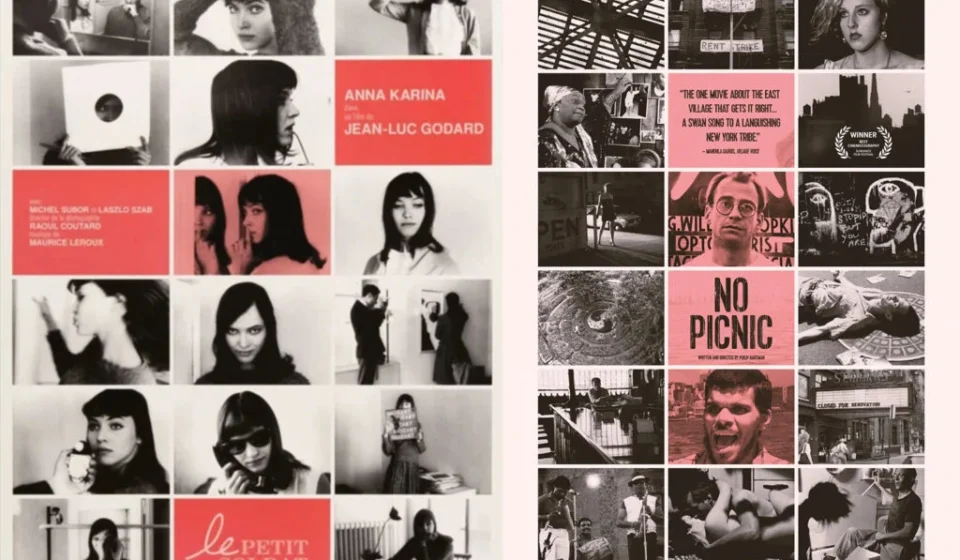
In the pantheon of New York City independent cinema, certain films serve as more than just entertainment; they act as vital, celluloid-preserved fossils of a city that no longer exists. Among these, Phil Hartman’s 1986 feature No Picnic has recently emerged from a four-decade slumber to become an improbable box-office juggernaut. A noir-tinged, punk-rock ethnographic ramble through the pre-gentrification East Village, the film has undergone a renaissance that proves, if nothing else, that the "terroir" of urban struggle is a vintage that only improves with age.
The Genesis: From Cajun Kitchens to 16mm Noir
The story of No Picnic begins not in a film school, but in the bustling, smoke-filled kitchens of the mid-1980s. Phil Hartman, a downtown cinephile and the co-founder of the beloved NoHo staple Great Jones Cafe, possessed a unique vision for a feature film. Using the modest profits from his Cajun-inspired bar, Hartman set out to document the shifting landscape of his neighborhood.
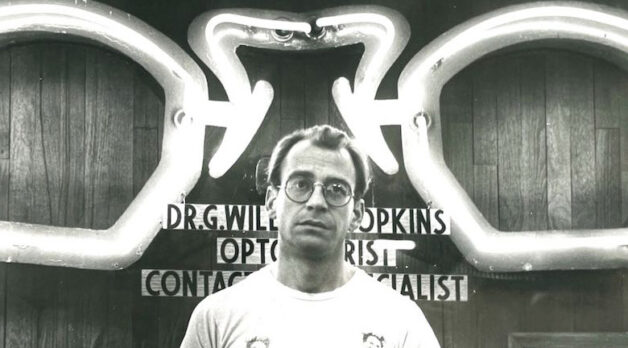
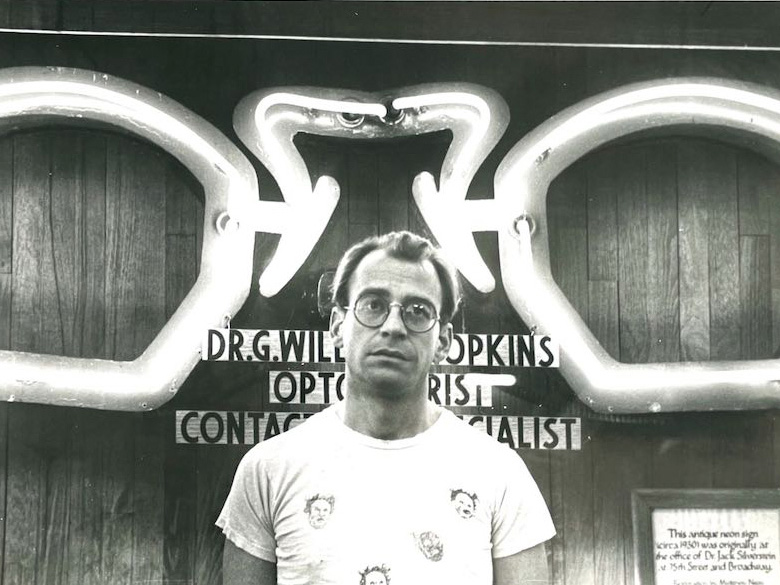
The film was shot on lustrous black-and-white 16mm stock by the legendary experimental filmmaker Peter Hutton. At its core, No Picnic is a shaggy-dog story following Mac, a 30-something former musician portrayed with wistful, self-aware charm by David Brisbin. Mac navigates a precarious existence, stocking jukeboxes and cigarette machines to cover his rent while managing the romantic complications of an obsessive crush and a Canadian neighbor seeking a green-card marriage.
The production was a collaborative, shoestring endeavor. It received backing from Wim Wenders’s production company, Gray City Films, and was further fueled by capital from Hartman’s burgeoning business venture, Two Boots Pizza. The film was a race against time, a conscious effort by Hartman and his crew to capture the fading landmarks of an era—the Bleecker Bob Records, the Atlas Barber Shop, and the guerrilla gardens of Adam Purple—before they were swallowed by the encroaching tide of real estate development.
A Chronology of Neglect and Rebirth
The timeline of No Picnic is as episodic as its narrative.
- 1985–1987: Principal photography takes place across the Lower East Side and the East Village.
- 1987: The film premieres at the Sundance Film Festival, where it earns the cinematography award. Plans to open the film at the St. Mark’s Cinema are thwarted by the sudden dissolution of Gray City Films.
- 1990: Jonas Mekas steps in to facilitate a theatrical release at the Anthology Film Archives. A rave review by Manohla Dargis in The Village Voice helps the film secure a record-setting six-week run.
- 1990–2025: The film enters a long "hibernation." It remains largely unavailable to the public, relegated to the shelves of the Two Boots Video Store and the occasional repertory screening, while Hartman focuses on the growth of the Two Boots restaurant chain and the now-shuttered Pioneer Theater.
- 2025: A serendipitous intersection of personal connections—involving Mary Engel, the daughter of The Little Fugitive filmmaker Morris Engel, and programmer Jake Perlin of The Film Desk—leads to a full-scale restoration of the film.
- 2026: The film begins a historic run at Film Forum, shattering attendance records and cementing its status as a newfound cult classic.
The Anatomy of an Unlikely Hit: Data and Audience Reception
The success of No Picnic at Film Forum in 2026 was, by all accounts, a statistical anomaly. When repertory director Bruce Goldstein first considered the film, he was hesitant, viewing it as an obscure, unknown title. However, the enthusiasm of his programming staff and the film’s powerful restoration led to a limited opening in April.
The results were staggering. In its first week, the film grossed over $28,000 despite limited showtimes. By its second week, it was the theater’s top-grossing film, and by the end of its twelve-week run, the total gross exceeded $123,000. To put this in perspective, No Picnic outperformed legendary works by Federico Fellini and Akira Kurosawa during the same timeframe.
The demographic shift of the audience was equally telling. While initial screenings drew the "nostalgia crowd"—those who lived through the era—the later weeks saw a surge of younger viewers. As Hartman noted, "It began with people our age coming, and within a few weeks, it was people bringing their kids. And then it was just the kids coming and bringing their friends."
Official Perspectives and Cultural Context
The film’s resurgence has drawn praise from both the critics who first championed it and the new generation of filmmakers who see it as a primary text of New York history.
Manohla Dargis, whose 1990 review arguably saved the film from total obscurity, reflected on its current resonance. "The film speaks to the familiar, relatable, and ever-green issue of affordability," she remarked. "It captures a world that’s sort of past, but the struggle to pay the bills while leading a creative life is eternal."
Producer Christine Vachon, who worked on the film as an assistant sound editor, echoed this sentiment. "It manages to be a perfect time capsule that, in a funny way, has folded back onto this time," she observed.
For young creators like filmmaker Meg Aubry, the film serves as an "education in New York culture." Aubry, who resides in Ridgewood—a neighborhood currently undergoing the same pressures as the 1980s East Village—notes that the film’s "parody noir" style and vignette-to-vignette structure make it an engaging "ride-along watch."
The Implications: Why Now?
Why does a film about a defunct era resonate so profoundly with a digital-native generation? The answer may lie in the "terroir" of the film itself. No Picnic is saturated with the texture of a physical, tactile city: the sound of a wall-mounted phone, the sight of a bathtub in a kitchen, the urgency of a rent strike, and the grit of un-gentrified concrete.
The film acts as a bridge. It provides the "old folks" a window into their own youth, and the "young folks" a glimpse into the foundational history of the streets they walk today. It addresses the existential anxiety of displacement—a feeling that is perhaps more relevant in the 2020s than it was in the 1980s.
Phil Hartman, reflecting on the film’s unexpected second life, views the long hiatus as a bizarre form of marketing. "It had time to ferment," he jokes. "It’s marketing genius to create something and then keep it a secret for 40 years."
Ultimately, the triumph of No Picnic is a testament to the power of authentic storytelling. It suggests that even in a world of algorithmic content and rapid-fire streaming, there is a deep, abiding hunger for cinema that feels like a place you can touch, smell, and live in. No Picnic is no longer just a movie; it is a document of survival, a love letter to the "languishing tribe" of bohemians, and, most importantly, a reminder that while the landscape of the city may be in constant flux, the human desire to define one’s own space remains unchanged.