
In the rapidly evolving landscape of modern filmmaking, the integration of In-Camera Visual Effects (ICVFX) has fundamentally rewritten the rules of the set. Virtual production has granted directors and cinematographers an unprecedented level of creative control, allowing them to manipulate lighting, environment, and perspective in real-time. Yet, this technological leap has introduced a hidden, often devastating, complexity: the LED volume itself has become a critical component of the optical pipeline.
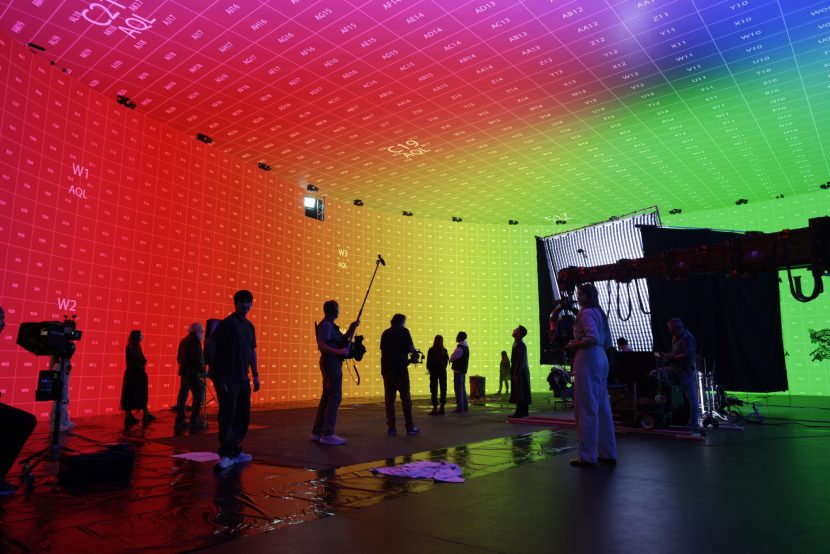
A cinematographer may arrive at a high-end stage with a meticulously calibrated camera, a chosen lens package, and a perfected color workflow, only to encounter a "black box" environment. If the LED volume’s calibration is off, if the dynamic range is compromised, or if the panels exhibit unexpected color shifts, the resulting footage can be irrevocably flawed. To address this industry-wide pain point, the American Society of Cinematographers (ASC) Motion Imaging Technology Council (MITC) has released StEM3—a comprehensive, free collection of standardized evaluation material designed specifically to bring scientific rigor to virtual production stages.
The Genesis of a New Industry Standard
For years, the film industry has operated on a "trust but verify" basis when stepping onto unfamiliar virtual production stages. However, as Michael Goi, ASC, ISC, and co-chair of the ASC MITC, points out, cinematographers have frequently encountered environments where "color rendition was off" and "dynamic range was sketchy."
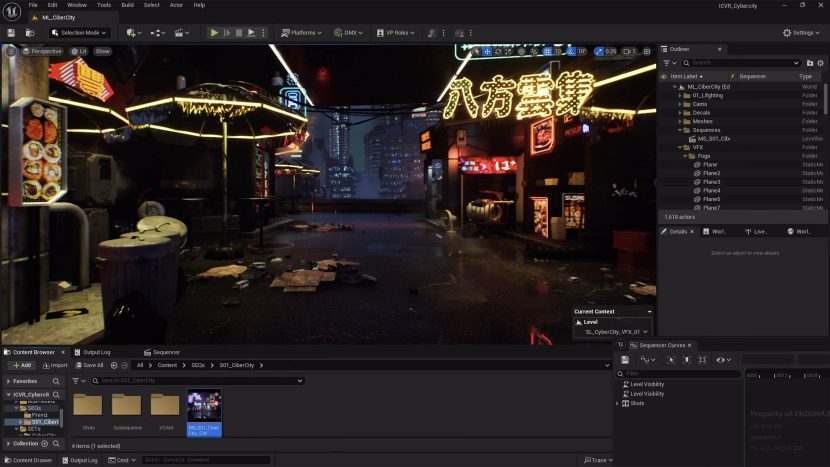
The challenge lies in the sheer intricacy of an LED volume. It is not merely a background display; it is an ecosystem of real-time content (typically powered by Unreal Engine 5), high-performance render nodes, synchronization hardware, LED processors, tracking systems, and the physical camera itself. A failure in any one of these links—a mismatched panel, a sync jitter, or a poorly understood color transform—can manifest as a catastrophic error in the final image.
StEM3 (Standard Evaluation Material 3) was born from the necessity to establish a "ground truth." By providing a standardized suite of assets, the ASC aims to ensure that when a crew walks onto a stage, they have a universal benchmark to determine if the volume is functioning correctly before the first day of principal photography begins. Hosted by the Academy Software Foundation (ASWF) as part of its Digital Production Example Library, the assets are now available for free, offering a common, open-source language for engineers and cinematographers alike.
A Chronology of Evaluation: From StEM to StEM3
The journey toward StEM3 is the latest chapter in the ASC’s long-standing effort to standardize the digital imaging chain.
- StEM (The Digital Transition): The original project was conceived during the industry’s shift from celluloid to digital acquisition and projection. It provided the first real standardized tests to ensure that cameras, monitors, and projectors were speaking the same language, safeguarding the integrity of the image during a period of massive technological upheaval.
- StEM2 (The High Dynamic Range Era): As digital pipelines matured, StEM2 expanded these concepts to account for the complexities of High Dynamic Range (HDR), wide color gamuts, and higher-resolution displays. It provided the stress-tests necessary to ensure that post-production facilities and camera manufacturers were adhering to consistent standards.
- StEM3 (The Virtual Production Paradigm): With the arrival of ICVFX, the imaging chain has shifted. In traditional post-production, many technical corrections were handled in the color suite months after the shoot. In virtual production, the LED volume is the source of light, the background, and the primary color reference simultaneously. StEM3 moves the test directly onto the stage, acknowledging that the "final pixel" is now captured on the day of filming.
Technical Infrastructure and Support Data
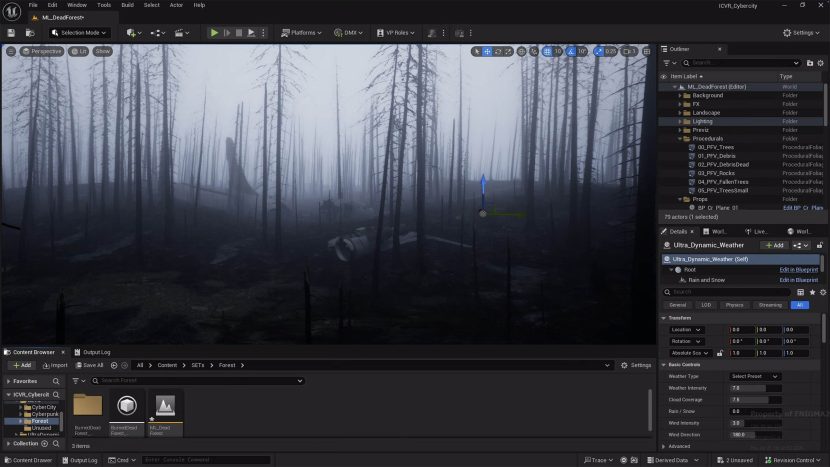
StEM3 is not a singular test file; it is an expansive library of pre-built Unreal Engine environments, 2D driving plates, and specialized 2D test patterns. The environments—ranging from urban subway systems to Himalayan base camps—have been donated by industry leaders including Epic Games, Sony, and various top-tier virtual production studios.
The Anatomy of the Test
The collection is designed to help production teams isolate specific technical variables:
- Color Accuracy: Evaluating how the LED panels respond to specific color temperatures and how the camera captures those colors through the lens.
- Dynamic Range: Determining the "useful" highlight and shadow range of the wall, ensuring that the volume doesn’t clip details or crush blacks in a way that differs from the camera’s sensor capabilities.
- Sync and Scan: Testing for shutter interactions, which can cause rolling shutter artifacts or flickering, especially when the camera’s frame rate is pushed beyond standard speeds.
- Panel Uniformity: Identifying inconsistencies in pitch, brightness, or color reproduction across different sections of the wall.
These tests are particularly vital when a production travels between different stages. By using the same StEM3 scenes at two different facilities, a production team can compare performance objectively. This replaces subjective descriptions—such as "the first stage looked punchier"—with concrete, measurable data.
Official Perspectives: Keeping the Cinematographer at the Helm
The involvement of the ASC is crucial because StEM3 evaluates the system through the lens of the cinematographer, not the display engineer. While LED manufacturers have their own proprietary testing methods, those are often focused on the performance of the hardware. StEM3 is focused on the photography of the hardware.
David Morin, executive director of the Academy Software Foundation and an ASC associate member, emphasizes that this project is designed to keep the cinematographer’s contribution central as the industry moves through this massive technological pivot. "Cinematographers do not need to become motion-imaging scientists," Morin notes. "However, they do need material that enables them to work effectively with the engineers, colorists, and VFX teams around them."
By establishing a baseline of "neutral," StEM3 actually fosters creative freedom. When a cinematographer knows exactly how the system behaves at its most accurate setting, they can make informed, deliberate choices to depart from that baseline for artistic effect. They are no longer fighting the equipment; they are directing it.
Practical Implications for Modern Production
The release of StEM3 signals a shift in how films are budgeted and scheduled. Because virtual production requires so many decisions to be made in the pre-production phase, the use of these standard assets helps teams "front-load" their technical problem-solving.
The "Warped: CyberCity" Reference
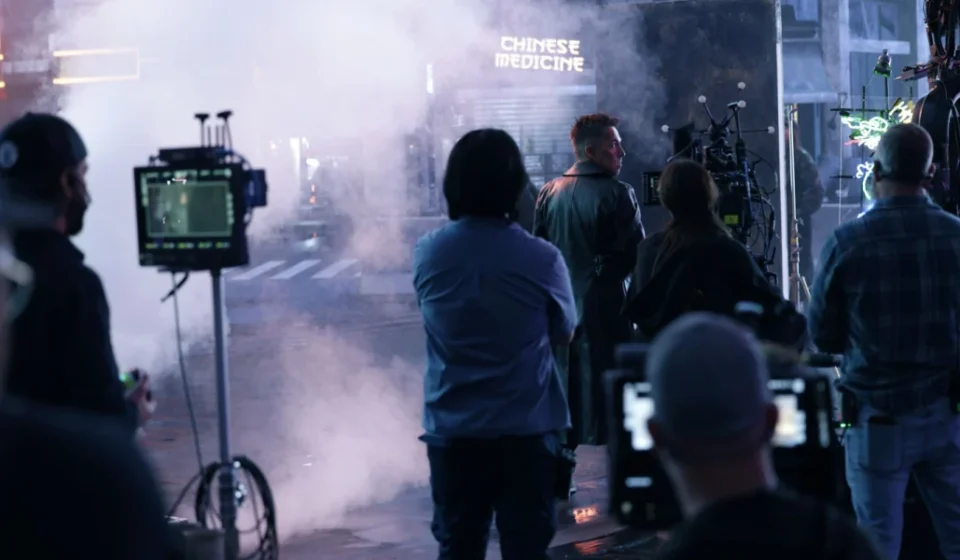
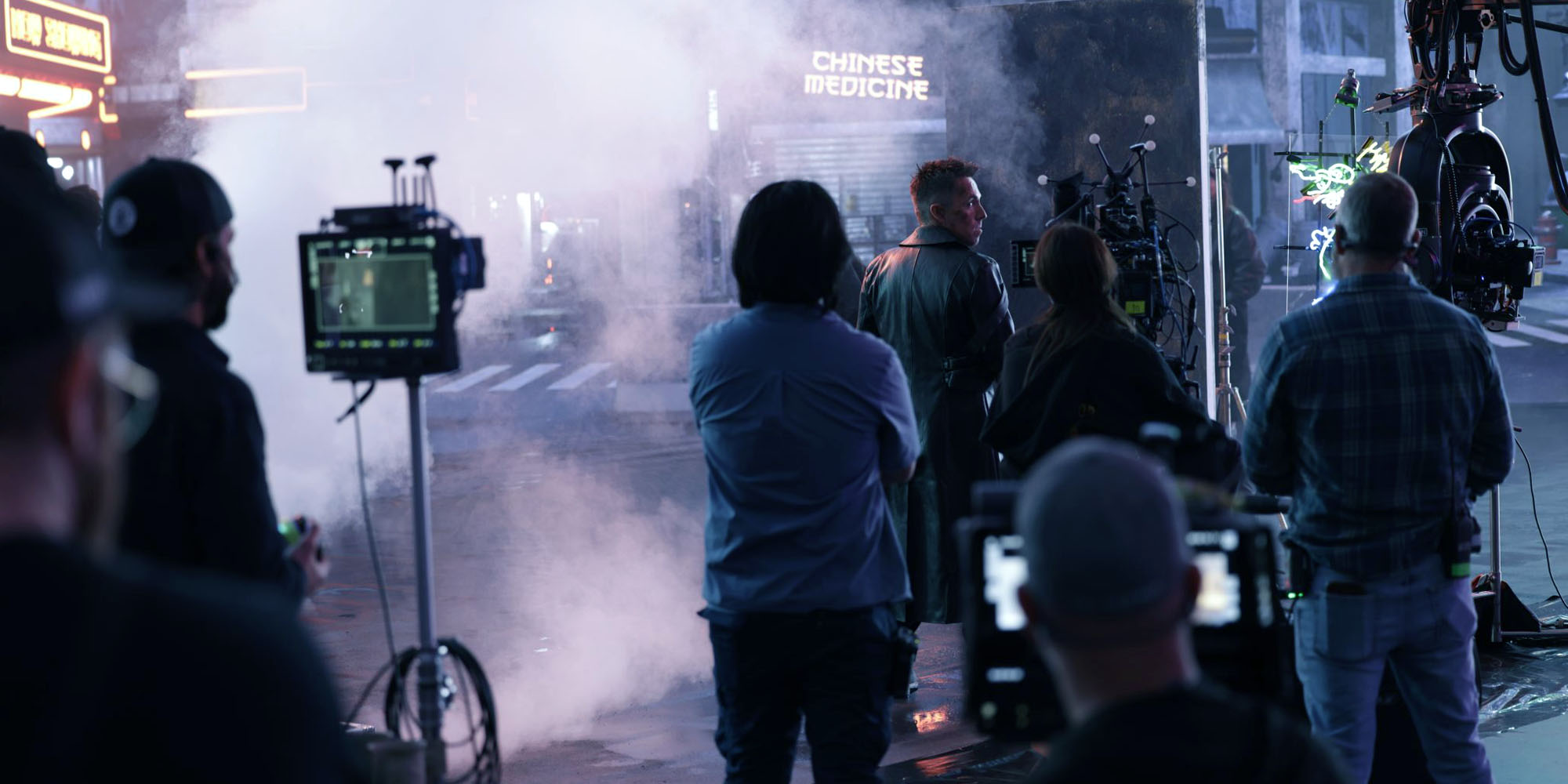
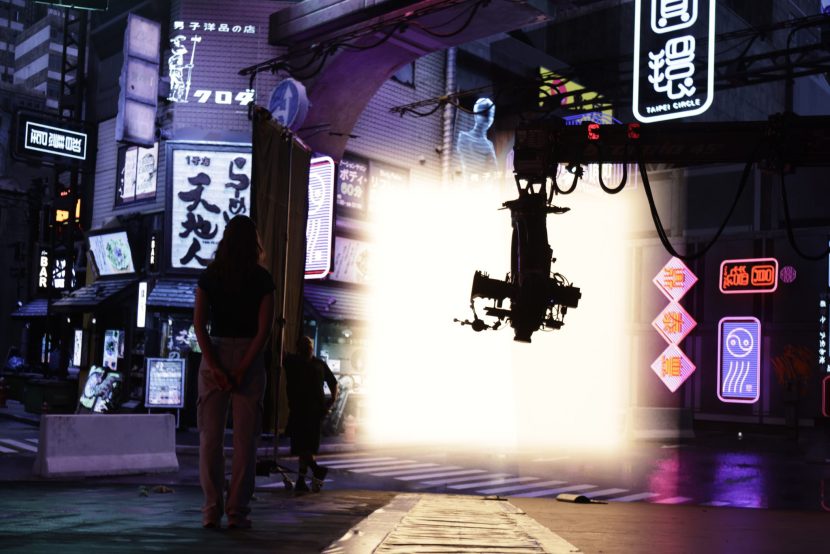
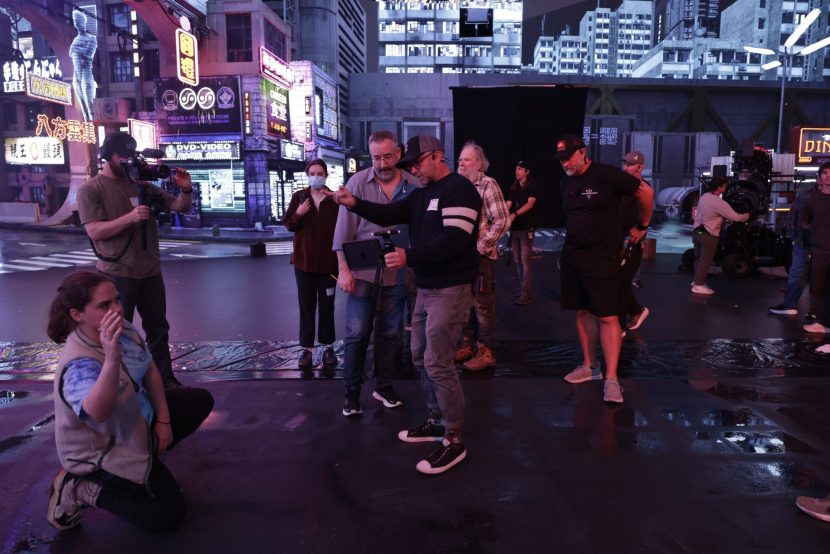
To illustrate the efficacy of the library, the ASC commissioned a short dramatic scene titled Warped: CyberCity. Photographed by David Klein, ASC, and directed by Jay Holben, the short uses a donated CyberCity environment to demonstrate the assets under real-world conditions.
This short film serves as a "Gold Master" for crews. By observing how skin tones, wardrobe, and practical foreground props interact with the virtual environment in Warped: CyberCity, crews can load the same project onto their own stages to see if they achieve a similar result. It provides a visual template for "final pixels," showing that the integration of virtual and physical elements should be seamless.
Solving the "Fun, Frustrating" Complexity
DOPs have famously described the volume-capture process as "the most exciting, fun, frustrating color-correction suite you’ve ever been in, driven by computers." The frustration, however, usually stems from a lack of transparency in the pipeline. StEM3 aims to alleviate this by reducing the number of "unknowns."
When a production team spends hours on set debugging a wall that "feels wrong," the budget suffers. When they spend hours in post-production trying to fix an issue that was baked into the camera raw files because the volume was miscalibrated, the creative vision suffers. StEM3 provides the common language needed to have productive, efficient conversations between the physical production crew and the digital artists.
Conclusion: A Collaborative Future
The success of the StEM3 project is a testament to the collaborative spirit of the industry. With contributions from Amazon Studios, Dolby, ROE Visual, Pixomondo, and many others, the library represents a concerted effort to prevent the "Wild West" era of virtual production from stifling creativity.
Ultimately, the ASC’s mission with StEM3 is to ensure that technology remains in service of the story. Whether a director is filming a quiet interior or a sprawling science-fiction landscape, the tools of the trade should be reliable and predictable. By providing an open-source, standardized starting point, StEM3 ensures that the cinematographer’s vision—not the technical limitations of the LED wall—remains the driving force behind the image.
As the industry continues to integrate real-time rendering and ICVFX into the mainstream, the adoption of tools like StEM3 will likely become a standard requirement for high-end productions. The goal is simple: load the material, look through the camera, establish the baseline, and then get back to the art of filmmaking. The technology is complex, but the path to a perfect shot is now clearer than ever.