
By Editorial Staff
September 3, 2026
The world of high-altitude mountaineering has long been defined by the pursuit of the unreachable. Yet, few stories capture the intersection of human ambition, profound grief, and technical mastery quite like the latest cinematic undertaking from the Academy Award-winning duo Elizabeth Chai Vasarhelyi and Jimmy Chin. Their newest documentary, Everest: The Other Side, has officially unveiled its first trailer, signaling a return to the harrowing, vertical landscapes that have become the hallmark of their filmmaking career.
The Core Narrative: A Dream Deferred and Defied
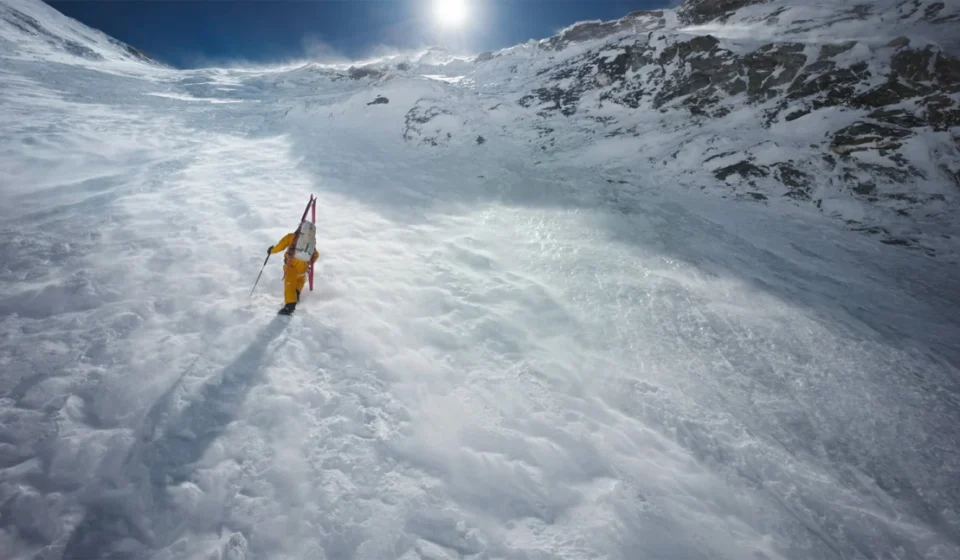
At its heart, Everest: The Other Side is a meditation on the cost of obsession and the enduring power of legacy. The film centers on the lives of elite ski mountaineers Hilaree Nelson and Jim Morrison. Longtime partners in both life and sport, the duo shared a singular, audacious vision: to climb and ski the direct North Face of Mount Everest. Located in Tibet, this route is widely considered the most dangerous and technically demanding path on the mountain. While thousands have reached the summit via the more common southeast ridge in Nepal, the North Face remains a formidable, rarely conquered titan, and the prospect of skiing down its 9,000-foot vertical face had, until this project, remained an impossible feat.
The documentary follows the couple as they prepare for a challenge that would test the limits of human endurance. However, the narrative arc is irrevocably altered by tragedy. In 2022, Hilaree Nelson—a pioneer in the world of female mountaineering—passed away in an avalanche on Manaslu. The film shifts from a chronicle of a shared ambition to a poignant exploration of how Jim Morrison, partnered with Jimmy Chin, moves forward to fulfill their promise and honor Nelson’s memory by completing the mission she could not.

A Chronology of the North Face Ambition
To understand the gravity of this film, one must understand the history of the route. The North Face of Everest has historically been the graveyard of many, but also the proving ground for the world’s elite.
- The Shared Vision (2018-2021): Morrison and Nelson established themselves as one of the most formidable couples in extreme sports. Their training cycles were meticulously documented, focusing on high-altitude conditioning and the specific gear required to navigate the treacherous, icy chutes of the Tibetan side.
- The Turning Point (September 2022): The tragic accident on Manaslu in the Himalayas fundamentally changed the trajectory of the project. The documentary captures the raw, unfiltered emotional fallout of this loss, documenting the grieving process of the community and Morrison’s personal struggle to reconcile his passion for climbing with the reality of the risks involved.
- The Legacy Climb (2024-2025): The production moved into a new phase as Jimmy Chin, a master of mountain cinematography, stepped in to help Morrison return to the mountain. This period was marked by extreme logistical challenges, particularly given the political complexities of accessing the North Face in Tibet and the necessity of navigating the logistical maze of modern mountaineering.
- The Cinematic Premiere (2026): Following extensive post-production, the film was selected for the 2026 Venice Film Festival and Telluride Film Festival, setting the stage for its global IMAX release on October 30, 2026.
Supporting Data: The Technicality of the Ascent
For the uninitiated, the distinction between "climbing" Everest and "skiing" Everest is vast. The North Face presents a specific set of physical hazards. The face itself is characterized by extreme gradients—often exceeding 50 to 60 degrees—and unpredictable snowpack conditions.
According to mountaineering data provided by the expedition teams, the North Face route requires:
- Oxygen Management: A complex strategy for utilizing supplemental oxygen while navigating technical ski terrain, where rapid movement is essential for survival.
- Ski-Mountaineering Logistics: The equipment itself—specialized light-weight carbon fiber skis, ice axes, and crampons—must be carried to the summit, adding significant weight to an already oxygen-deprived climb.
- The "Death Zone" Window: The team must identify a specific meteorological window where the wind speeds on the North Face drop below 30 knots, allowing for a descent that does not result in a catastrophic slide.
The film utilizes state-of-the-art camera equipment, including drones and high-altitude cinematography rigs, to capture these conditions. As viewers of the trailer can attest, the sheer scale of the vertical drop is designed to be experienced on the largest screens possible, emphasizing why National Geographic has prioritized an IMAX-exclusive run for this feature.

Official Responses and Critical Reception
The film has already begun to generate significant discourse among industry insiders. Elizabeth Chai Vasarhelyi and Jimmy Chin, who have built a reputation for high-stakes documentaries such as Free Solo and The Rescue, bring a distinct aesthetic to the screen.
However, early critics have noted that the film is not without its complexities. There has been a growing conversation regarding the representation of Sherpa partners in high-altitude filmmaking. Critics of the genre often point to the "hero-centric" narrative that can sometimes overshadow the indispensable role of local guides. While Everest: The Other Side is being lauded for its technical brilliance and emotional resonance, some viewers have raised questions about how the film balances the individual journey of the Western climbers with the institutional support of their Sherpa partners.
Regardless, the consensus is that the film serves as a powerful tribute. "It is an inspiring film about accomplishing your dreams no matter what gets in the way," noted early reviewers, acknowledging that even with narrative imperfections, the documentary achieves a level of visceral storytelling that few can replicate.
Implications: The Future of High-Altitude Documentation
The release of Everest: The Other Side arrives at a pivotal moment for adventure cinema. As climate change continues to alter the topography of the world’s highest peaks, the feasibility of these expeditions is increasingly questioned.

- The Ethics of Risk: The film forces a conversation about the ethics of extreme sports. When the price of failure is death, does the pursuit of a "line" or a "summit" remain a noble endeavor?
- The Evolution of the Genre: Filmmakers like Chin and Vasarhelyi are shifting the genre away from simple "adventure porn" toward character-driven studies of human psychology. By focusing on grief as much as gravity, they have elevated the standard for what audiences expect from documentary storytelling.
- The Commercialization of the Peaks: With the rise of IMAX-distributed documentaries, these mountains are becoming more "accessible" to the public, creating a paradox where the rugged, untouched wilderness is being polished for the screen, potentially fueling further commercial tourism on the mountain.
Conclusion: A Legacy Carved in Ice
As the October 30th, 2026 release date approaches, anticipation is high. Everest: The Other Side is not merely a record of a ski descent; it is a testament to the bonds formed in the most extreme environments on Earth.
For Jim Morrison, the climb is a closure of a chapter that began in love and ended in tragedy. For the audience, the film serves as a reminder that the mountains remain indifferent to human ambition, yet we continue to seek them out, not because it is easy, but because the struggle itself is what defines our humanity. Whether or not the team successfully navigated the North Face with the grace they hoped for, their story is now etched into the history of the mountain—a permanent fixture on the "other side" of the world.
As the trailer fades to black, leaving the viewer with the haunting image of the vast, white expanse of the North Face, one is left to wonder: is any dream worth the risk of everything? According to Vasarhelyi and Chin, the answer lies somewhere in the thin, frozen air of the summit, where the line between living and dying is as thin as the edge of a ski.