A Golden Era Rediscovered: Quartet Records Unveils Definitive Soundtrack Collection for Two Dickensian Masterpieces

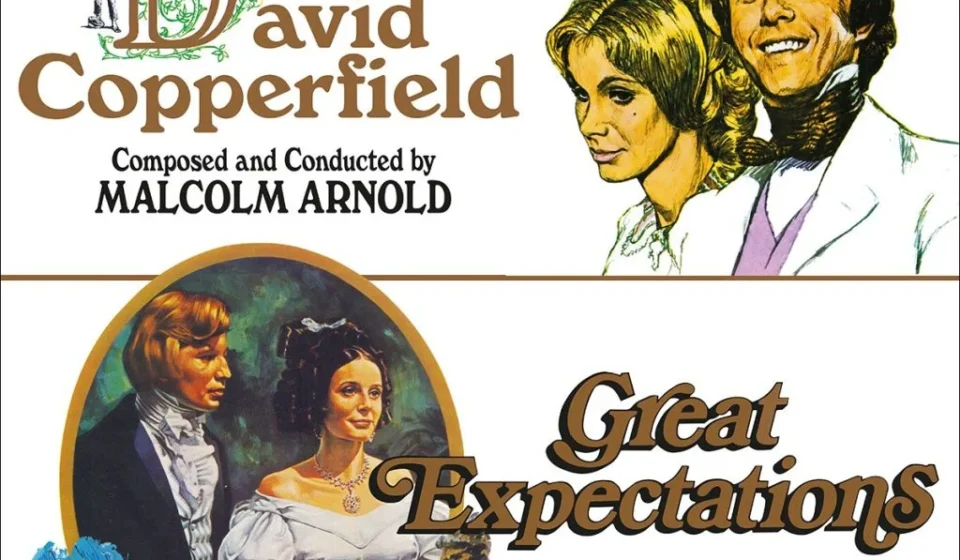
In a monumental development for aficionados of classic film scoring, Quartet Records has officially announced the premiere CD release of the original LP programs for two iconic 1970s adaptations of Charles Dickens’ literary classics: David Copperfield (1970) and Great Expectations (1974). This release serves as a bridge between the golden age of cinematic storytelling and the modern preservationist movement, ensuring that the legendary works of Academy Award-winning composers Malcolm Arnold and Maurice Jarre are preserved for future generations in pristine audio quality.
The Main Facts: A Dual Tribute to Literary Cinema
The new release from Quartet Records is more than a mere reissue; it is a meticulously curated archival project. By presenting the original LP programs for these soundtracks, the label honors the specific artistic intent of the composers, capturing the musical narrative arcs exactly as they were experienced by audiences when these films first graced the silver screen.
- David Copperfield (1970): Directed by the esteemed Delbert Mann, this production features a star-studded cast including Robin Phillips, Richard Attenborough, Susan Hampshire, Cyril Cusack, Ralph Richardson, Ron Moody, and the legendary Laurence Olivier. The musical landscape was crafted by the late Malcolm Arnold, a titan of 20th-century British music, whose ability to weave complex emotional tapestries remains unparalleled.
- Great Expectations (1974): Directed by Joseph Hardy, this adaptation features a powerhouse ensemble including Michael York, Sarah Miles, James Mason, and Robert Morley. The score was helmed by the inimitable Maurice Jarre, whose distinct melodic signatures have defined the emotional resonance of cinematic epics for decades.
Both scores are now available for order through Quartet Records’ official website, where enthusiasts can delve into detailed track listings and audition curated audio samples.
Chronology: The Evolution of Dickens on Screen and Score
The 1970s represented a unique period for Charles Dickens adaptations. As cinema moved away from the monolithic studio-system epics of the 1940s and 50s, directors began seeking a more intimate, psychological approach to the author’s sprawling Victorian sagas.
The 1970 David Copperfield
Delbert Mann’s version of David Copperfield arrived at a time when British television and cinema were finding a new synergy. The film was widely noted for its ensemble cast, which brought a contemporary vitality to Dickens’ most autobiographical work. Malcolm Arnold, already a household name due to his Oscar-winning work on The Bridge on the River Kwai, provided a score that balanced the whimsy of Victorian childhood with the profound melancholia of adult disillusionment. His ability to capture the "English sound"—a blend of pastoral melancholy and brass-heavy tension—made him the ideal candidate to score a narrative that spanned decades of human experience.
The 1974 Great Expectations
Just four years later, Joseph Hardy took on Great Expectations. By the mid-70s, Maurice Jarre had become a global phenomenon, having cemented his reputation with Lawrence of Arabia and Doctor Zhivago. Jarre’s approach to Great Expectations was markedly different from Arnold’s. He utilized a more expansive, atmospheric palette, focusing on the Gothic elements of Miss Havisham’s decay and the sprawling, fog-drenched vistas of the Kent marshes. The 1974 score is a masterclass in tension, demonstrating Jarre’s uncanny ability to underscore internal character development with external environmental textures.
Supporting Data: The Composers’ Legacy
To understand the significance of this release, one must contextualize the composers within the broader history of film music.
Malcolm Arnold: The Architect of Sound
Malcolm Arnold’s career is a testament to the versatility of the classical composer. Beyond his Academy Award for The Bridge on the River Kwai, his filmography includes masterpieces like The Lion, The Sound Barrier, and Hobson’s Choice. Arnold’s music is characterized by its rhythmic complexity and a profound understanding of orchestral color. In David Copperfield, his score serves as the connective tissue that binds the episodic nature of the source material into a cohesive emotional journey.
Maurice Jarre: The Master of the Epic
Maurice Jarre’s influence on the landscape of film music is immeasurable. From the sweeping romanticism of Doctor Zhivago to the gritty tension of Witness and No Way Out, Jarre was a composer who understood that music was not just an accompaniment to the image, but an essential component of the film’s psyche. His work on Great Expectations reflects a composer at the height of his powers, transitioning from the mid-century epic style to the more nuanced, character-driven scores that would define the 1980s.
Official Responses and Preservation Ethics
In the world of soundtrack collecting, the release of "original LP programs" holds significant weight. Unlike modern digital re-releases, which often feature expanded, chronological cuts, an LP program is an artistic statement in itself. It is the track list as the composer intended it to be heard when limited to the constraints of vinyl.
Quartet Records has been praised by the film music community for their commitment to these authentic restorations. By prioritizing the original sequencing, they allow listeners to experience these scores as they were originally curated for the commercial market in the 70s. This archival approach ensures that the specific pacing, dramatic flow, and sound balance—often lost in later, disorganized compilations—are preserved.
Label representatives have emphasized that the restoration process involved extensive sourcing of original master tapes to ensure the fidelity matches the high standards expected by modern audiophiles. This release is part of a broader trend of "film music archaeology," where the focus shifts from quantity to the quality of historical representation.
Implications for the Industry and the Audience
The implications of this release are twofold: it serves the immediate needs of the collector and contributes to the ongoing scholarly discourse surrounding the history of film music.
Re-evaluating the 1970s
This release invites a new generation of film scholars and fans to revisit the 1970s adaptations of Dickens. Often overshadowed by the high-budget blockbusters that would dominate the late 70s and 80s, these mid-tier, high-quality literary dramas represent a "forgotten middle" of cinema history. By releasing these scores, Quartet Records reminds us that the music of these films was as vital and sophisticated as the productions themselves.
Accessibility in the Digital Age
While the CD release provides a physical artifact for collectors, the simultaneous availability of these films via modern platforms underscores the hybrid nature of modern media consumption.
- David Copperfield is currently accessible via VOD and DVD, allowing viewers to pair their listening experience with the visual source material.
- Great Expectations enjoys a wider digital footprint, available on Blu-ray, DVD, and via Prime Video.
This multi-platform availability creates a complete experience for the viewer: one can engage with the source material through the lens of modern streaming while appreciating the original, authentic score through high-fidelity audio media.
Conclusion: A Testament to Timelessness
The partnership between the works of Malcolm Arnold and Maurice Jarre, unified under the umbrella of Quartet Records, is a gift to the film music community. As technology evolves and the way we consume art shifts toward the ephemeral, the importance of physical, authoritative editions of cinematic scores becomes increasingly apparent.
These scores are not merely "background music"; they are the soul of the Dickensian adaptations they accompany. They capture the spirit of the Victorian era while filtered through the sensibilities of two of the most significant composers of the 20th century. Whether you are a dedicated collector of film scores, a devotee of Dickens, or simply a lover of orchestral music, this release stands as an essential addition to the history of cinematic sound.
In a world where digital content is often transient, Quartet Records’ dedication to preserving the "original program" ensures that the artistic legacies of Arnold and Jarre remain etched in the cultural consciousness. As we listen to the opening bars of David Copperfield or the haunting themes of Great Expectations, we are reminded that great art—much like the Dickensian characters themselves—truly lives forever.