

The global film community is mourning the loss of Sam Neill, the New Zealand-born actor who passed away last week at the age of 78. A performer of immense range, Neill was a rare breed of star who managed to bridge the gap between high-concept blockbuster spectacle and the gritty, psychological depths of international arthouse cinema. From his breakout as the Antichrist to his defining turn as the beleaguered paleontologist Dr. Alan Grant, Neill brought a grounded, "everyman" sensibility to every frame he inhabited. Yet, beyond the marquee lights, he was known as a dedicated farmer, a sharp-witted environmentalist, and a man who found as much joy in the company of his farm animals as he did in the glow of a Hollywood set.
A Career Defined by Paradox
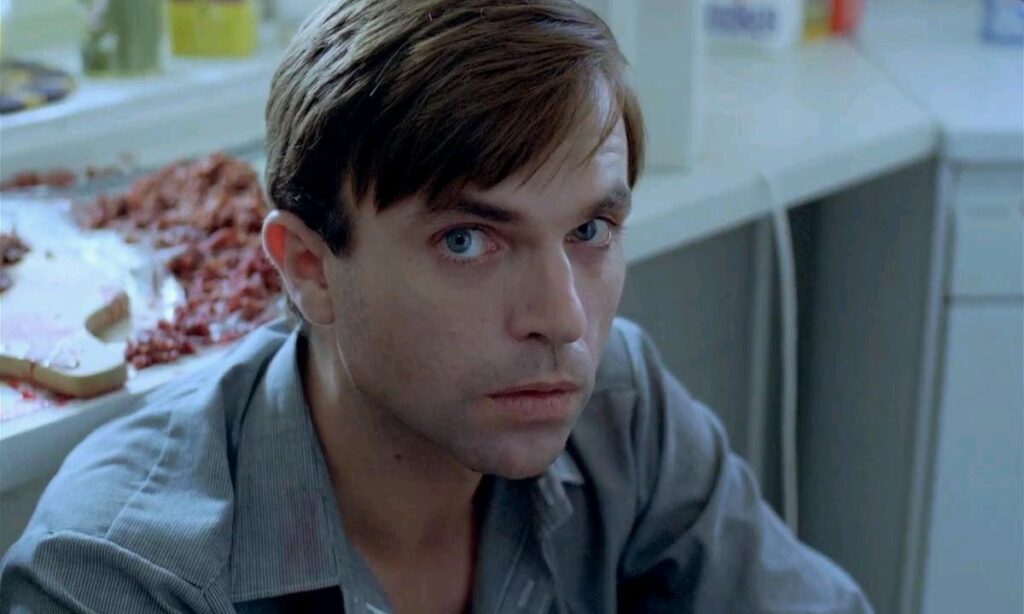
To understand Sam Neill is to understand a man who seemed constantly at odds with the typical trappings of fame. He was a performer who could command the screen in a massive franchise like Jurassic Park one moment, and then pivot to the disorienting, visceral horror of Andrzej Żuławski’s Possession the next.
Neill’s career was never linear. It was marked by an inherent refusal to be pigeonholed. Whether he was playing the rationalist driven to the brink of insanity in John Carpenter’s In the Mouth of Madness or the stoic romantic lead in My Brilliant Career, he possessed an uncanny ability to ground the most surreal or dramatic circumstances in raw, human vulnerability. He didn’t just act in "lurid B-movie material"—he elevated it, treating the genre with the same reverence one might reserve for a Shakespearean stage play.

Chronology: From the Antipodes to the World Stage
The Early Years and The Breakthrough
Born in Northern Ireland and raised in New Zealand, Neill’s path to stardom was unconventional. His international arrival was heralded by his 1979 performance in Gillian Armstrong’s My Brilliant Career. His ability to evoke the charm of a classic romantic lead—reminiscent of James Mason—caught the eyes of Hollywood casting directors.
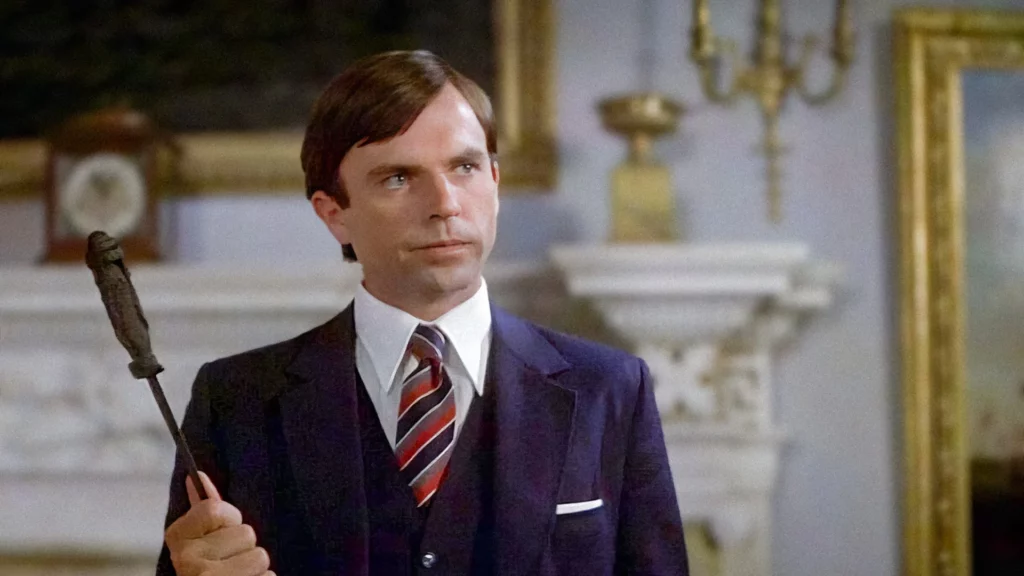
By 1981, he was thrust into the spotlight with The Omen III: The Final Conflict. While the film itself received a lukewarm critical reception, Neill’s performance as Damien Thorne—the Antichrist posing as a high-powered CEO—was chillingly effective. It was the role that cemented his reputation as a formidable screen presence, capable of radiating menace as easily as warmth.
The Blockbuster Era
In 1993, Neill achieved global household-name status as Dr. Alan Grant in Steven Spielberg’s Jurassic Park. While the film’s dinosaurs were the obvious draw, Neill provided the film’s essential human anchor. His "Spielberg Face"—that wide-eyed, breathless reaction to seeing a living, breathing brachiosaurus—remains one of the most iconic images in cinema history. He understood his role perfectly: to sell the wonder of the spectacle without becoming lost in it.

Throughout the 1990s and 2000s, Neill continued to balance this blockbuster success with projects that challenged him. His collaborations with directors like John Carpenter (In the Mouth of Madness, 1994) and Paul W.S. Anderson (Event Horizon, 1997) showcased his willingness to dive headfirst into the grotesque and the cosmic, proving he was never afraid to get his hands dirty.
Supporting Data: The "Everyman" Behind the Curtain
Perhaps the most defining aspect of Neill’s life was his commitment to his home in Central Otago, New Zealand. His organic wine estate, Two Paddocks, was more than just a business; it was a sanctuary. For those who followed his social media accounts—long before he famously departed Twitter in protest of the platform’s shift in leadership—the "farmer" side of Sam Neill was a revelation.
His feeds were a charming, idiosyncratic collection of selfies with his pigs, cows, and ducks. He was a "born poster" who used his influence not to broadcast ego, but to offer gentle, often humorous wisdom. When the world felt like it was going "pear-shaped," he advised his followers to "cuddle a duck," a testament to his grounded, empathetic worldview. This was not a performance; it was the man himself.
Official Responses and Industry Tributes
The outpouring of grief from his peers has been profound. John Carpenter, with whom Neill collaborated on multiple occasions, shared a heartfelt reflection on Facebook. "The world has lost a remarkable actor, father, farmer, and friend," Carpenter wrote, noting that despite the intense demands of filmmaking, Neill remained a beacon of professionalism and kindness on set.
Gillian Armstrong, who directed him in his breakthrough role, noted that Neill had an "alchemist’s touch" when it came to his co-stars. From Meryl Streep in A Cry in the Dark to Holly Hunter in The Piano and Laura Dern in Jurassic Park, Neill’s talent lay in his ability to make his scene partners better. He did not compete for the spotlight; he shared it, allowing the chemistry between characters to bloom naturally.
Implications: The Enduring Legacy of a Rationalist
Neill’s death comes after a public and courageous battle with non-Hodgkin lymphoma, which he discussed with typical candor in his 2023 memoir, Did I Ever Tell You This?. He remained philosophical about his mortality, telling the BBC, "I’m not afraid of dying. What I don’t want to do is to stop living, because I really enjoy living."
His legacy is not just one of filmography, but of a specific kind of integrity. In a culture that often demands that stars remain distant, curated, and perfect, Neill was delightfully human. He was a man who failed his James Bond audition and felt "mortified" by the experience, yet laughed about it decades later. He was a man who analyzed his own country’s "cinema of unease" with the same critical eye he brought to his own career.
His performance in In the Mouth of Madness serves as a poignant epitaph. As his character, John Trent, sits in the darkness of a movie theater, munching on popcorn while the world collapses around him, there is a strange, melancholy joy. It is an image of the actor as the ultimate audience member—a man who loved movies, loved life, and understood that even in the face of the cosmic, there is a wry smile to be found.
As we look back at the roles he left behind—the scientists, the spies, the monsters, and the lovers—it is clear that we have lost more than just a performer. We have lost a storyteller who treated the craft of acting as a way to explore the complexities of being alive. Whether he was walking alongside a CGI dinosaur or cuddling a duck in the hills of New Zealand, Sam Neill lived with a curiosity and warmth that ensured he would never be forgotten. The screen may be dark for now, but the impact of his work, and the grace with which he navigated his life, remains a permanent part of the cinematic landscape.