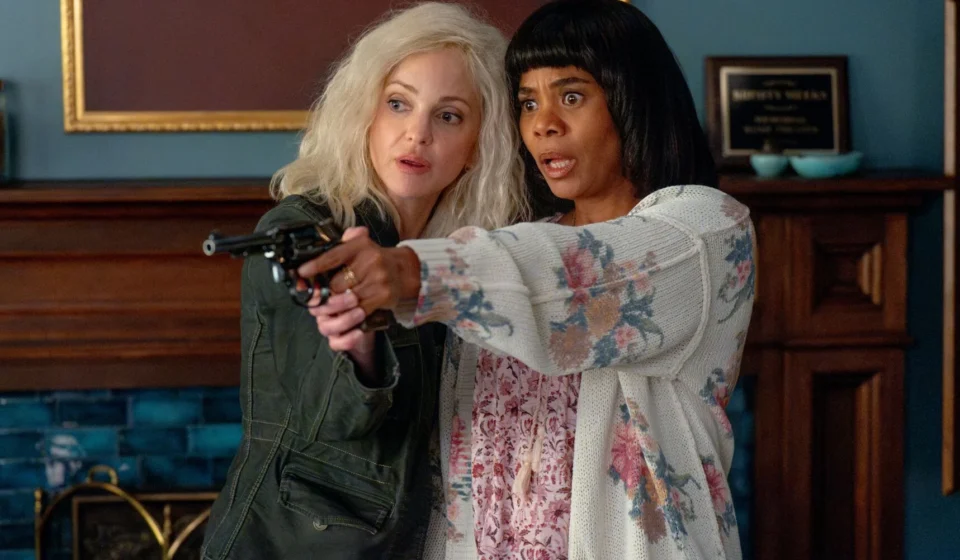

The release of the latest Scary Movie—titled simply Scary Movie (2026)—is more than just a box-office event; it is a declaration of independence. By pointedly omitting the numeral "6" from the title, the Wayans family has signaled a clean break from the franchise’s middle years, explicitly disowning the third, fourth, and fifth installments produced during their absence. This creative reclamation is fueled by a quarter-century of industry grievances, centering on a 2001 compensation dispute with the Weinstein-era leadership that effectively exiled the family from their own brainchild.
Today, the franchise has returned to its roots. The 2026 iteration functions as a legacy sequel that does exactly what the Wayans do best: it lampoons the mechanics of the horror genre while simultaneously turning its gaze inward to offer an incisive, often biting critique of the entertainment industry. It is a film that balances the "piss and vinegar" approach that endeared it to a massive, global fanbase with a newfound, surprising capacity for genuine emotional resonance.
A Chronology of Subversion: From Hollywood Shuffle to Scary Movie
To understand the weight of this reunion, one must look at the lineage of the Wayans’ comedic philosophy. The roots of this style trace back to the camaraderie between Keenen Ivory Wayans and Robert Townsend. Their creative DNA was formed by the antiauthoritarian wit of Mel Brooks, the sharp cultural commentary of Paul Mooney, and the hyper-dense, reference-heavy spoofing perfected by David Zucker, Jim Abrahams, and Jerry Zucker—collectively known as ZAZ.
The ZAZ Influence and the Birth of the Modern Spoof
In the late 1970s, ZAZ’s Kentucky Fried Movie (1977) set the template for the modern, plotless sketch-reel spoof. Directed by John Landis, the film utilized a rapid-fire pace that thrived on the absurdity of commercials, newscasts, and film parodies. As Jim Abrahams noted, the film was intended as a form of "counterprogramming" to the intense political volatility of the 1970s. By steadfastly ignoring the Vietnam War, Watergate, and the era’s civil rights struggles, ZAZ created a vacuum where pure, "elevated" stupidity could thrive.
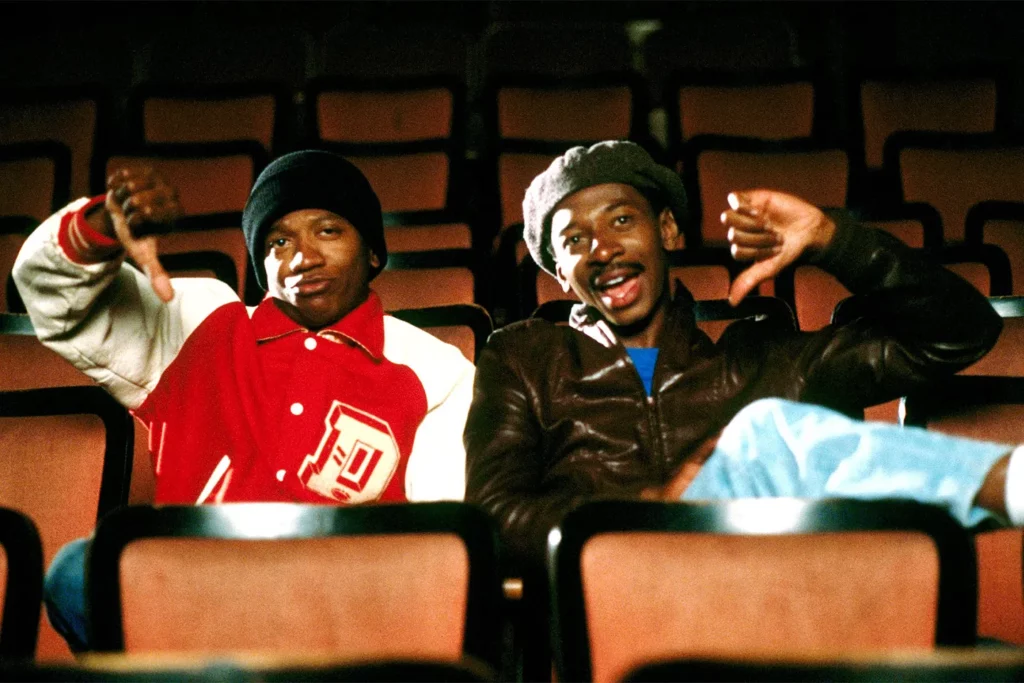
When the Wayans and Robert Townsend entered the fray with Hollywood Shuffle (1987), they took that ZAZ blueprint and injected it with the sharp, rhythmic bite of The Richard Pryor Show. They moved beyond simple parody, turning "cinematic karaoke" into a potent weapon of cultural criticism.
The Wayans Dynasty
Hollywood Shuffle was a turning point. Born from bits like "Sneakin’ in the Movies"—a segment where Townsend and Keenen parodied Siskel and Ebert while simultaneously critiquing the systemic racism embedded in white Hollywood staples like Dirty Harry—the film proved that a coherent narrative could be woven through disjointed sketches. This discovery propelled Keenen toward his next monumental achievement: In Living Color (1990–1994).
In Living Color served as the finishing school for the Wayans family. It didn’t just satirize pop culture; it dismantled it. By focusing on the way Black culture was mediated through a white-dominated lens, the show slaughtered sacred cows—from Michael Jackson to the Home Shopping Network—with surgical precision. This momentum led directly to Don’t Be a Menace to South Central while Drinking Your Juice in the Hood (1996), a scathing indictment of the "hood flick" genre. At the time, studio executives were mining Black trauma for popcorn entertainment, and the Wayans responded with an absurdist, hyper-aggressive critique that remains one of the most intellectually complex spoofs in cinematic history.
The Formula: Efficiency, Anarchy, and Representation
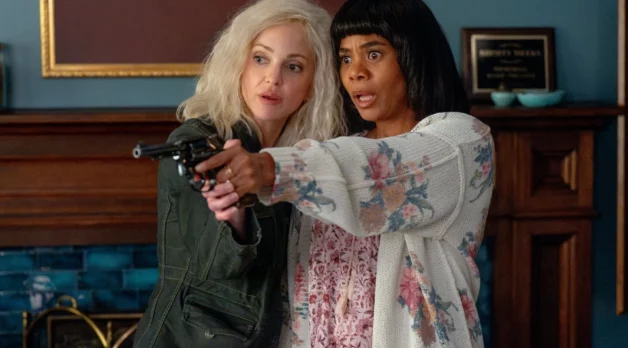
By the time Scary Movie arrived in 2000, the Wayans formula had reached its peak. The film took the teen-slasher revival and combined it with the meta-commentary that had become the family’s signature. However, the film also occupied a complicated space. By placing Black leads—Regina Hall, Shawn Wayans, and Marlon Wayans—at the center of a genre that had historically relegated Black characters to the role of "the first to die," the film utilized caricature as a form of social commentary.
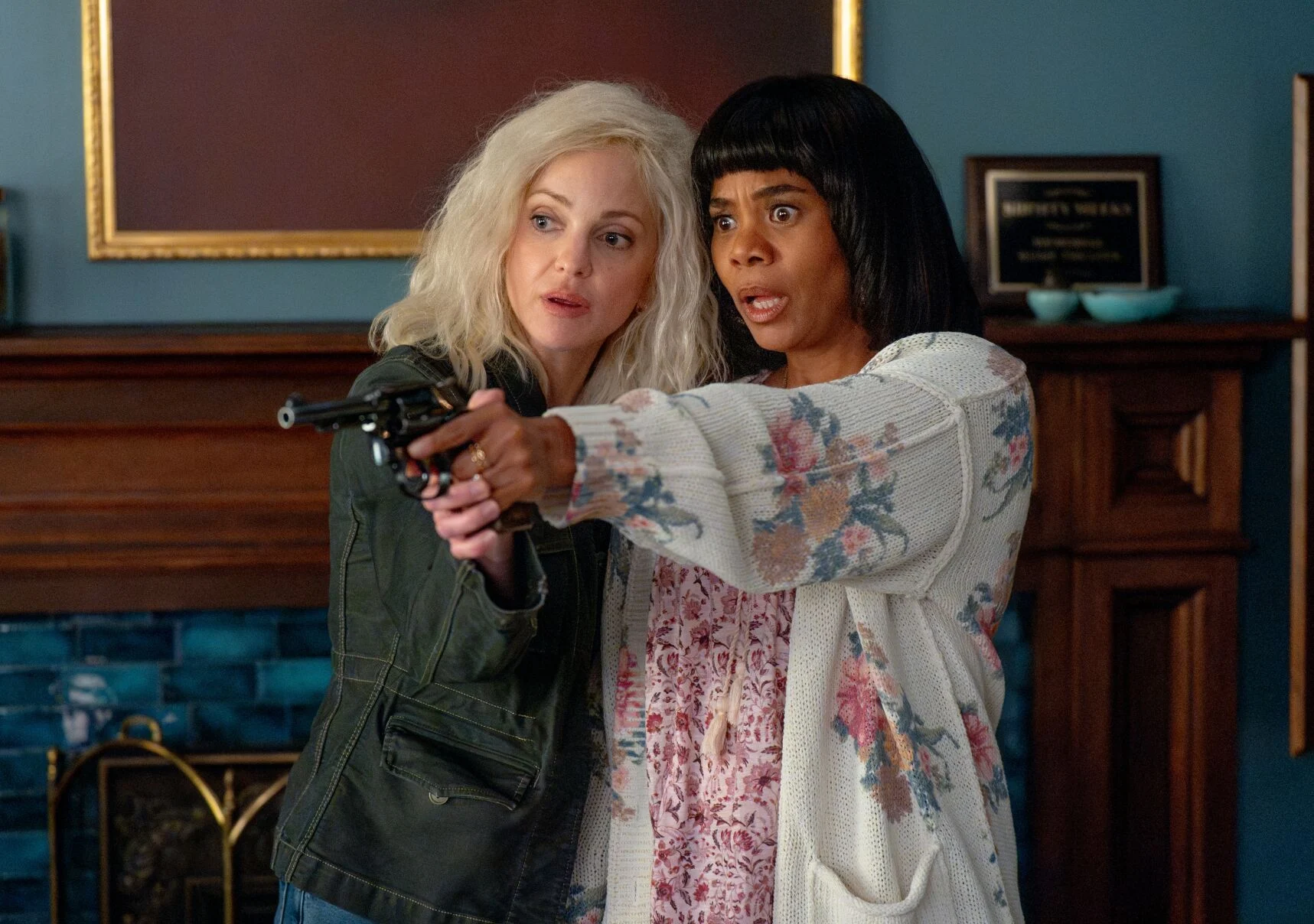
The box office results were staggering, with the film turning a $19 million budget into a $278 million global phenomenon. Yet, the rapid-fire production cycle of the subsequent sequels, produced without the Wayans’ direct creative oversight, led to a dilution of the brand. In a recent GQ interview, Marlon Wayans famously described the experience of watching the later sequels as "watching your child become a crackhead." It was a sentiment that resonated with many Black creators who have felt their work co-opted and commodified by a system that views them as expendable.
Supporting Data: A Global Return to Form
The 2026 Scary Movie has already proven that the appetite for the Wayans’ specific brand of subversion remains undiminished. In its first two weeks, the film raked in $172 million globally. This success serves as a direct rebuttal to the industry’s previous attempts to continue the franchise without its architects.
| Metric | 2000 Scary Movie | 2026 Scary Movie |
|---|---|---|
| Initial Budget | $19 Million | $65 Million |
| 2-Week Global Gross | $85 Million | $172 Million |
| Critical Consensus | Polarizing | Reclamatory |
| Creative Control | Wayans Family | Wayans Family |
Official Responses and Behind the Scenes
The reunion of the original cast after 25 years has brought a surprising layer of depth to the production. Beyond the fart jokes and slapstick—which remain as offensive and hilarious as ever—there is a palpable sense of warmth on screen. Interviews with the cast suggest that the production was treated as a homecoming.
Robert Townsend, reflecting on his career, points to a piece of advice he once received from Sidney Poitier: "I said no. I made sacrifices to do it, but I had the power to say no." This philosophy of creative agency is central to the 2026 film’s narrative. The Wayans are not just making a movie; they are re-asserting their right to control their own cultural output.
When asked about the industry’s shift, the cast points to the broader context of the current film landscape. The massive success of Ryan Coogler’s Sinners ($370 million, record-breaking Oscar nominations) indicates that audiences are hungry for stories that grapple with the exploitation of Black art. Whether the Wayans’ return is a direct result of this shifting tide or an independent force remains to be seen, but the message is clear: the industry is being forced to listen.
Implications: The Future of the Spoof
The implications of the new Scary Movie are profound. Firstly, it effectively resets the franchise, establishing the Wayans as the sole arbiters of its future. By addressing the 2001 grievance in the film’s narrative, they have turned their personal history into the "meta" fodder that the franchise is known for, effectively monetizing their own struggle.
Secondly, the film challenges the notion that spoof comedy is a "dead" or "low-brow" genre. By layering profound emotional beats—centered on the aging of the cast and the passage of time—within the context of a crude, high-energy satire, the Wayans have evolved the form. They have demonstrated that the spoof can be a vessel for nostalgia, critique, and catharsis simultaneously.
As the industry continues to grapple with issues of representation and the exploitation of creative talent, the Wayans’ success stands as a testament to the power of artistic persistence. They have proven that, despite the cycles of Hollywood, creators who maintain their voice and their integrity eventually find their way back to the top. The 2026 Scary Movie is not just a reboot; it is a legacy, a protest, and, above all, a triumphant return to the form they helped define.