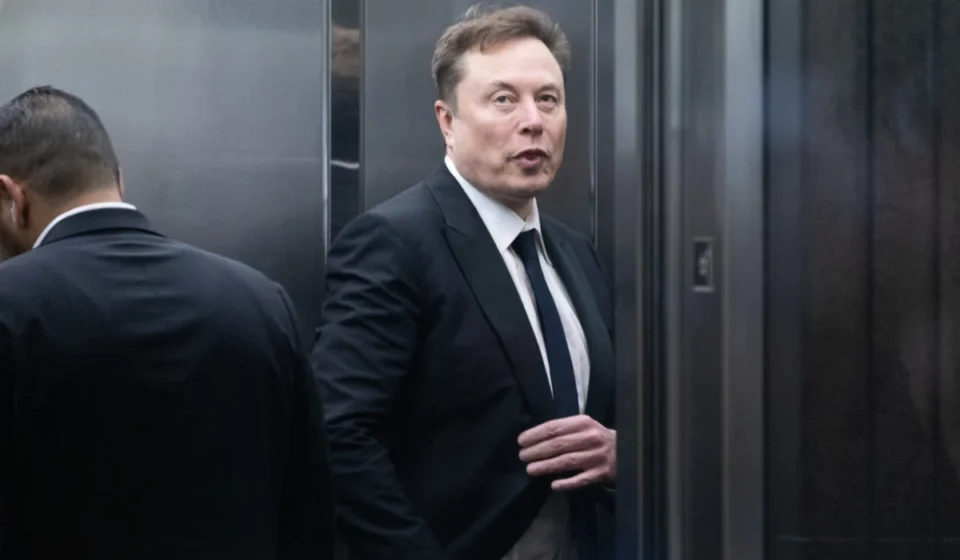

In a striking turn of events that has ignited a fierce debate over the power of Big Tech to shape public discourse, both YouTube and Meta have performed an abrupt about-face regarding their refusal to run paid advertisements for the upcoming documentary Musk. The film, directed by Academy Award-winning filmmaker Alex Gibney, has become the center of a controversy involving alleged algorithmic suppression, prompting questions about whether the platforms are censoring critical investigative journalism concerning the world’s wealthiest individual.
The documentary, which is set for a wide theatrical release on October 9, provides a comprehensive, and at times searing, look at Elon Musk’s multifaceted business empire. By covering everything from his stewardship of Tesla and SpaceX to his controversial acquisition of X (formerly Twitter) and his deepening ties to American electoral politics, the film positions itself as a definitive critique of the mogul’s influence. However, for a brief, tense period, it appeared that the very platforms Musk himself dominates or influences were effectively blocking the public from learning about the film’s existence.
The Chronology of a Digital Blockade
The controversy began in earnest on Friday, when it was revealed that Bleecker Street, the studio responsible for distributing the documentary, had been systematically barred from purchasing advertising space for the film’s trailer across major social media platforms.
The rejection was not isolated. Reports confirmed that YouTube, Meta (the parent company of Facebook and Instagram), TikTok, and X (owned by Musk) had all, at various points, denied the studio’s requests to run paid promotional content. For a major documentary release, the inability to buy ad space on social media is a debilitating blow. Modern film marketing relies heavily on targeted ads to reach niche audiences who are likely to be interested in political and investigative subject matter.
By Friday afternoon, the news of the blanket rejection had triggered an outcry from media analysts and free speech advocates. The optics were problematic: a documentary critiquing the power of a tech titan was being stifled by the very infrastructure that controls modern information flow.
The pressure mounted throughout the weekend. On Saturday, a YouTube spokesperson reached out to The Hollywood Reporter to announce that the initial restriction had been a mistake of the platform’s automated moderation systems. "The trailer was temporarily restricted by our system," the spokesperson stated. "Following review, the ad has been cleared to run." Shortly thereafter, Meta followed suit, admitting that their own initial rejection—which had included the denial of a formal appeal—was also an error, promising that the ads would be restored to Instagram and Facebook.
Understanding the "Basis" of Rejection
At the heart of the dispute lies a curious justification offered by the platforms. Preliminary reports suggest that the rejection of the trailer was largely predicated on a specific scene showing Elon Musk at a 2024 Donald Trump campaign rally.
Automated advertising systems often flag content featuring political figures or election-related imagery as "political advertising." Under strict internal guidelines, platforms require extensive verification and disclosure for political ads to prevent foreign interference or misinformation. However, critics argue that applying these stringent rules to a trailer for a documentary—a work of journalistic art—is an overly broad, and perhaps disingenuous, application of the policy.
The trailer for Musk is a promotional tool for a commercial film, not a piece of political campaign propaganda. By conflating the two, the social media giants effectively placed the documentary in the same category as a campaign-funded attack ad. This raises a critical question: are algorithmic systems being tuned to avoid any content that could be perceived as "controversial" regarding high-profile political actors, even when that content serves a public interest?
The Implications for Investigative Media
The implications of this incident extend far beyond the marketing budget of a single film. The documentary, directed by Gibney, aims to tackle the "full scope" of Musk’s career. It specifically scrutinizes the mogul’s role as an increasingly powerful electoral player, his influence on the discourse on X, and his recent involvement in Washington via the Department of Government Efficiency (DOGE) initiative.
For an investigative project designed to challenge the status quo, the inability to access the digital public square is a form of soft censorship. If the platforms that control the dissemination of news and culture are permitted to "accidentally" suppress content that is critical of the tech elite, the democratic process suffers.
"Social media is a key part of any documentary’s release campaign," said a marketing strategist familiar with the project. "In this case, marketers’ ability to take out ads is a central way for audiences to learn about Musk and the hazards that Gibney alleges he poses. When those ads are blocked, you aren’t just losing a sale; you’re losing a viewer who might have been informed by this reporting."
The Silence of the Platforms: TikTok and X
While YouTube and Meta have retreated from their initial positions, the silence from other major players remains deafening. As of Saturday, both TikTok and X (the platform owned by Musk) have continued to refuse the ad without comment.
The situation at X is particularly noteworthy. While it is standard for businesses to avoid negative PR on their own platforms, the refusal to carry ads for a film about the platform’s owner raises significant ethical concerns. It highlights the potential for platforms to be used as tools of self-protection rather than open forums for exchange. TikTok, meanwhile, has provided no explanation for its adherence to the original rejection, leaving Bleecker Street with few options for reaching the platform’s massive, younger demographic.
The Role of Algorithmic Governance
This incident provides a window into the "black box" of modern content moderation. These corporations rely on massive, automated systems to manage millions of ad requests per day. While these systems are designed to maximize safety and efficiency, they are also prone to systemic bias. When an error occurs that suppresses a controversial film, it is rarely a human sitting behind a screen making a political decision; rather, it is a system programmed to avoid "friction" and "controversy."
However, the fact that the error was only rectified after public scrutiny suggests that the current system of appeals is inadequate. For a studio with the resources of Bleecker Street, a media cycle can be generated to force a human review. For independent journalists, smaller documentary filmmakers, or non-profit advocacy groups, an automated rejection is often final. This creates a de facto barrier to entry where only those with the loudest voices can challenge the algorithms.
Looking Ahead: The October 9 Release
As the film’s release date of October 9 approaches, the industry will be watching closely to see if the restored ads actually gain traction or if they face "shadow" limitations in the final days of the campaign. The reversal by Meta and YouTube is a victory for the filmmakers, but it serves as a sobering reminder of the fragile state of independent media in the digital age.
The Musk documentary is designed to provoke, to inform, and to challenge. If the very infrastructure of the internet is predisposed to filter out such content under the guise of "political ad policy," then the capacity for the public to engage with critical, investigative, and potentially disruptive art will be fundamentally diminished.
For now, the trailer will run. But the questions raised by the temporary disappearance of that trailer will likely linger long after the film has left theaters. The incident has turned the promotion of the film into a meta-commentary on the subject itself: the immense, often invisible power of the platforms that mediate our reality. As Alex Gibney’s cameras turn toward Musk, the world has been forced to turn its cameras toward the platforms themselves, questioning the reach, the errors, and the intent of those who hold the keys to the digital gate.