A Brutal Descent: Ryuhei Kitamura’s ‘Labyrinth’ Delivers a Visceral, Saw-Inspired Nightmare

In the landscape of modern horror, few subgenres have proven as resilient—or as polarizing—as the "death trap" subgenre defined by the Saw franchise. Now, legendary Japanese filmmaker Ryuhei Kitamura, the visionary behind Versus, Aragami, Godzilla: Final Wars, and the cult-classic Clive Barker adaptation The Midnight Meat Train, has returned to the genre with a vengeance. His latest feature, Labyrinth, recently made waves at FrightFest as arguably the most gruesome, uncompromising, and relentlessly kinetic entry to grace the festival circuit this year.
Main Facts: A Master of Chaos Returns
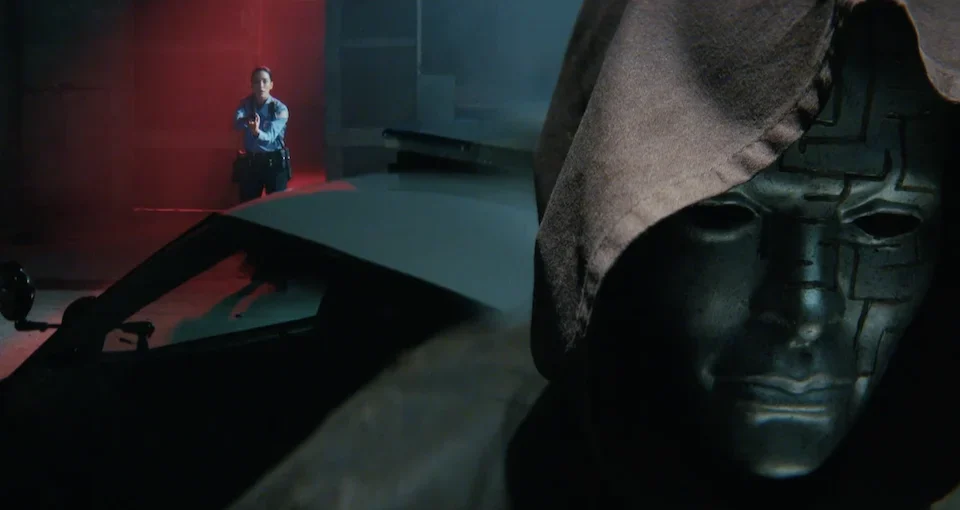
Labyrinth is a high-octane exercise in claustrophobic terror. The premise is familiar to any fan of the genre: a group of seemingly unconnected strangers awakens within the confines of a sprawling, inscrutable maze. With no memory of their abduction, they are forced to navigate a series of increasingly elaborate and lethal obstacles.
The film operates on a simple, cruel directive: complete the tests or perish. As the narrative unfolds, it becomes clear that these obstacles are not random. They are meticulously tailored to the "sins of the past" of each participant, transforming the labyrinth into a moral—and physical—meat grinder. Kitamura, known for his kinetic camera work and stylized violence, does not pull his punches. Unshackled by the constraints of a traditional wide theatrical release, the production opted for total creative freedom, resulting in a film that revels in graphic, visceral practical effects.
Chronology: The Structure of a Descent
The film’s pacing is as frantic as its traps are deadly. Labyrinth begins with a notably long, brooding prologue that details the abduction of the various strangers. While this setup establishes the tone, it consumes a significant portion of the film’s tight 90-minute runtime.
Once the title card hits, the film shifts into high gear. The progression follows a classic survival-horror trajectory:
- The Awakening: Characters regain consciousness in the maze, disoriented and panicked.
- The Announcement: An unseen, automated announcer provides the rules of engagement, establishing the stakes.
- The Trials: The group begins to thin out as they face traps that mirror their past transgressions.
- The Revelation: As the survivors dwindle, the backstories of the participants are revealed, adding a layer of karmic retribution to the carnage.
- The Supernatural Pivot: In the final act, the film introduces a metaphysical twist that shifts the narrative from a grounded survival scenario into something far more esoteric and inexplicable.
This final transition remains the most debated aspect of the film. While some critics argue it provides a necessary departure from the Saw template, others suggest it muddies the waters of an otherwise straightforward narrative.
Supporting Data: Performances and Technical Craft
While Labyrinth is undeniably a gore-focused feature, it is anchored by a surprisingly robust cast. The chemistry between the mismatched survivors provides the necessary emotional weight to keep the audience invested between the carnage.
- Mekhi Phifer: Taking on the role of the de facto leader, Phifer provides a grounded, authoritative presence that attempts to keep the group’s morale from collapsing under the weight of the situation.
- Shane West: West delivers a standout performance as a volatile, deranged antagonist within the group. His presence serves as a reminder that the greatest threat in the maze is often the human element rather than the mechanical traps.
- Alexxis Lemire: Lemire brings nuance to her role as a law enforcement officer, balancing the tension between her internal code of justice and the brutal reality of their survival situation.
Technically, the film is a masterclass in low-budget efficiency. Kitamura utilizes the confined space of the maze to heighten the sense of dread. The gore effects are practical, tactile, and unrelenting. Because the film bypasses the traditional MPAA theatrical rating process, the filmmakers were able to maintain a level of intensity that would have been stripped away by censors in a standard wide release.
Official Responses and Critical Consensus
The reception at FrightFest was electric, if divided. Critics have praised Kitamura’s technical direction, noting that while the script occasionally suffers from pacing issues, the film succeeds as a pure adrenaline-fueled horror experience.
![‘Labyrinth’: ‘Godzilla: Final Wars’ Director Ryuhei Kitamura Delivers A Mildly Satisfying ‘Saw’ Replica [FrightFest Review]](https://www.dreadcentral.com/wp-content/uploads/2026/07/Labyrinth-1.png)
"It is a brutal descent into darkness," one reviewer noted, comparing the film favorably to the weaker entries in the Saw franchise. The consensus among genre enthusiasts is that Labyrinth is a "Saw replica" done right. It does not attempt to reinvent the wheel, nor does it try to hide its influences. Instead, it leans into them, perfecting the formula of the "sins of the past" narrative with a stylistic flair that only a director of Kitamura’s caliber could provide.
However, the script has faced scrutiny. Some have noted that the 90-minute runtime—while keeping the pace fast—makes the plot feel rushed, particularly during the transition into the film’s supernatural third act. There is a palpable sense that the film’s internal logic is stretched thin in the final twenty minutes, leading to threads that are difficult to track or reconcile with the established rules of the maze.
Implications: The Future of the "Death Trap" Genre
The success of Labyrinth at the festival level poses an interesting question for the industry: is there still a market for the mid-budget, unrated "torture-porn" style of horror?
Labyrinth proves that the appetite for this specific brand of horror remains strong, provided it is executed with the visual panache of a director like Kitamura. By avoiding the sanitizing influence of major studio oversight, the production team maintained the "nasty" quality that made the genre a cultural phenomenon in the early 2000s.
However, the film also highlights the creative limitations of the formula. By leaning so heavily into the Saw aesthetic, Labyrinth risks being pigeonholed as a derivative work. The introduction of supernatural elements suggests that filmmakers are searching for ways to evolve the genre, even if the execution is not always seamless. For Kitamura, the film serves as a testament to his versatility. He has once again proven that he can deliver a high-octane, commercially viable product while maintaining his signature visual intensity.
Final Analysis: A Bloody, Necessary Addition
In the final accounting, Labyrinth is not a film that seeks to change the horror genre forever. It is an unashamed, high-octane homage to the tropes that defined a decade of terror. It is visceral, it is mean-spirited in all the right ways, and it moves at a breakneck speed that leaves little room for boredom.
For the dedicated horror fan, Labyrinth is an essential watch—a reminder of why the "maze and trap" subgenre holds such a morbid fascination for audiences. While it lacks the narrative polish of a masterpiece, it compensates with a raw, kinetic energy that is rarely seen in today’s more polished, studio-bound horror entries.
Ryuhei Kitamura has once again proven his mastery of the macabre. Whether or not you enjoy the Saw franchise, Labyrinth demands to be seen by anyone who appreciates the craft of practical gore and the tension of the trapped-narrative format. As the credits roll, the audience is left with one lingering thought: what could Kitamura do with a larger budget and a more cohesive script? If Labyrinth is any indication, the answer is something truly terrifying.