A Legacy Etched in Nightmares: Remembering Visionary Filmmaker Chuck Russell (1952–2026)

The landscape of modern genre cinema has lost one of its most versatile and imaginative architects. Chuck Russell, the director, screenwriter, and producer whose fingerprints are found on some of the most enduring horror, sci-fi, and action films of the last four decades, has passed away at the age of 74. His death, confirmed by Variety, marks the end of a career defined by a rare ability to balance visceral, practical-effects-heavy horror with the high-octane spectacle of blockbuster filmmaking.
From the dream-scapes of Springwood to the neon-soaked streets of Edge City, Russell’s filmography is a testament to the power of genre storytelling. Whether through the skin-crawling dread of his 1988 remake of The Blob or the subversive, comic-book energy of The Mask, Russell demonstrated a profound understanding of how to engage an audience’s senses, pushing the boundaries of what was technically and narratively possible in film.
The Master of the Genre: A Chronology of Impact
To understand Chuck Russell’s influence, one must look at his trajectory, which began in the trenches of independent horror before moving into the upper echelons of Hollywood studio production.
Early Beginnings and the Dreamscape (1980–1984)
Russell’s early career was defined by a fascination with the subconscious. Long before the concept of "dream-sharing" became a staple of big-budget science fiction, Russell co-wrote the 1984 cult classic Dreamscape. Starring Dennis Quaid and Max von Sydow, the film explored the political and psychological implications of entering the minds of others—a high-concept premise that set the stage for the genre-bending work that would define his later career.
The Elm Street Renaissance (1987)
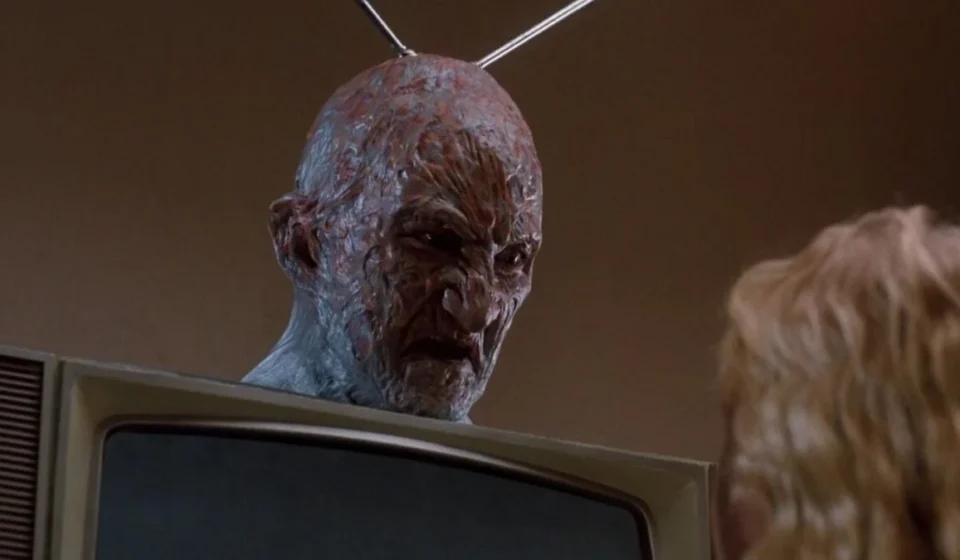
In 1987, Russell took the helm of A Nightmare on Elm Street 3: Dream Warriors. At the time, the Nightmare franchise was at a crossroads. Russell, along with a team that included Wes Craven, pivoted the series toward a more mythic structure. By introducing the concept of the "Dream Warriors"—troubled teens who could manifest "dream powers" to combat Freddy Krueger—Russell elevated the franchise from simple slasher fare to a battle of wills. It was here that Freddy evolved from a silent, lurking threat into the iconic, wisecracking villain that would dominate pop culture for the next decade.
The Practical Effects Masterpiece (1988)
Perhaps Russell’s greatest technical achievement was his 1988 remake of The Blob. In an era where digital effects were in their infancy, Russell opted for a massive, organic approach to horror. The film remains a masterclass in practical creature design and gore, managing to be simultaneously gross, terrifying, and unexpectedly emotional. It stands today as a pinnacle of the 1980s horror boom, serving as an educational touchstone for aspiring filmmakers interested in the tactile nature of cinematic terror.
Mainstream Expansion (1994–2002)
In the 1990s and early 2000s, Russell pivoted toward high-concept mainstream cinema. The Mask (1994), starring Jim Carrey, became a global phenomenon, showcasing Russell’s ability to blend his horror roots—the film’s "Big Head" persona carries a distinct, manic, and at times dark energy—with the frenetic pacing of a live-action cartoon. He followed this with the action-heavy The Scorpion King (2002), further cementing his status as a director who could deliver both style and substance.
Supporting Data: Why Russell Matters to Film History
Russell’s influence extends far beyond his directorial credits. His career serves as a bridge between two eras of Hollywood: the era of the practical effects artisan and the era of the digital blockbuster.
- Practical Effects Advocacy: Russell’s commitment to practical effects in The Blob is widely cited by modern effects supervisors as a primary influence. By utilizing intricate animatronics, foam latex, and complex lighting, he proved that "monsters" could feel heavy, present, and genuinely threatening.
- Narrative Versatility: Few directors have successfully navigated the transition from gritty R-rated horror to family-friendly blockbuster comedy. Russell’s work on The Mask helped define the visual language of the 90s, while his contributions to Dreamscape and Dream Warriors influenced a generation of writers who sought to explore the complexities of the human mind through horror.
- The "Dream Warrior" Archetype: By framing A Nightmare on Elm Street 3 through the lens of teen disenfranchisement, Russell gave the franchise a emotional core that resonated with audiences. The film tackled heavy themes of institutional neglect and mental health, proving that horror could serve as a vehicle for profound social commentary.
Official Responses and Industry Recognition
The news of Russell’s passing has triggered an outpouring of tributes from across the film industry. Colleagues, collaborators, and the horror community at large have taken to social media to reflect on his warmth, his exacting standards, and his immense contribution to genre cinema.

"Chuck was a director who truly understood the heartbeat of a film," noted a statement from a former production partner. "He didn’t just direct scenes; he curated experiences. He understood that to make an audience scream, you first have to make them care."
Many fans and critics have noted that while he never received the mainstream accolades often reserved for "auteur" directors, his impact on the cultural lexicon—particularly regarding Freddy Krueger and the evolution of the slasher film—is immeasurable. The horror community, in particular, views his passing as the loss of a mentor figure, a man who believed in the integrity of the craft.
Implications: A Lasting Legacy
The death of Chuck Russell leaves a void, but it also leaves a roadmap. For the next generation of filmmakers, his work provides a definitive case study in how to marry creative ambition with technical execution.
As the industry moves further into an age of AI-generated imagery and digital artifice, Russell’s insistence on the "tangible" feels more relevant than ever. His work reminds us that the most memorable scares are the ones that feel real—that have weight, texture, and a sense of physical danger.
His later projects, such as the Witchboard remake, showed a director who remained curious and engaged with the genre he helped define. Whether he was crafting a nightmare or a blockbuster, Russell remained a student of film until the very end.
Looking Forward
As the film community begins the process of retrospection, it is likely that we will see a resurgence of interest in his back catalog. From the gritty, claustrophobic hallways of Westin Hills Psychiatric Hospital to the vibrant, chaotic world of The Mask, Russell’s films will continue to be analyzed, screened, and cherished.
Chuck Russell did not just make movies; he helped shape the way we perceive the intersection of fear, fantasy, and the human condition. While the man himself is gone, the dream warriors he unleashed and the alien terror he captured on screen will endure. He is survived by a legacy that is, in every sense of the word, iconic.
Our condolences go out to his family, his friends, and the legions of fans who found a piece of themselves in his work. He will be remembered not just for the monsters he created, but for the joy he found in the craft of filmmaking.