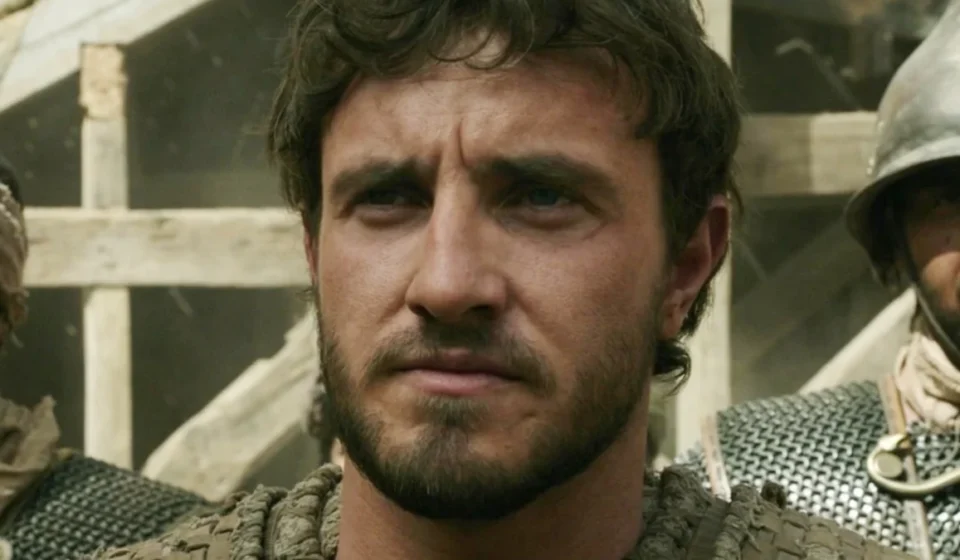
The Arena of Discontent: Unpacking the Alleged Rift Between Ridley Scott and Paul Mescal

The release of Gladiator II was intended to be a triumphant return to the Roman Colosseum, a legacy sequel that would cement Ridley Scott’s status as a master of epic cinema while introducing a new generation to the brutal grandeur of the franchise. However, the path from production to the box office has been anything but a victory lap. Amidst critical scrutiny regarding historical accuracy, behind-the-scenes grumblings from the crew, and a lukewarm commercial reception, a new, more personal controversy has emerged: reports that director Ridley Scott has pinned the film’s underwhelming financial performance on its leading man, Paul Mescal.
The Anatomy of a Box Office Disappointment
To understand the tension, one must first look at the performance of Gladiator II. Despite a staggering production budget that far exceeded that of the 2000 original, the sequel struggled to distinguish itself in the modern theatrical landscape. While the film managed to draw audiences, its return on investment was significantly lower than industry analysts projected.
For a director of Scott’s caliber—a man whose career is defined by high-stakes blockbusters and distinct visual flair—the performance of Gladiator II was a jarring reality check. In an era where legacy sequels like Top Gun: Maverick soared to billion-dollar heights, the middling success of a sequel to one of the most beloved films of the 21st century felt like a missed opportunity. Critics were largely split, with some praising the technical choreography of the battle sequences, while others argued that the film lacked the emotional resonance and gravitas of the original Maximus Decimus Meridius arc.
A Breakdown of the Alleged Conflict
The narrative surrounding the friction between Scott and Mescal stems from the collapse of their planned follow-up project, the adaptation of the post-apocalyptic novel The Dog Stars. Initially, the project was framed as a reunion between director and star, a testament to their mutual respect. However, when Mescal departed the project, the official line was a simple conflict in scheduling, specifically pointing to his commitment to Sam Mendes’ ambitious four-part Beatles biopic, in which Mescal is slated to play Paul McCartney.
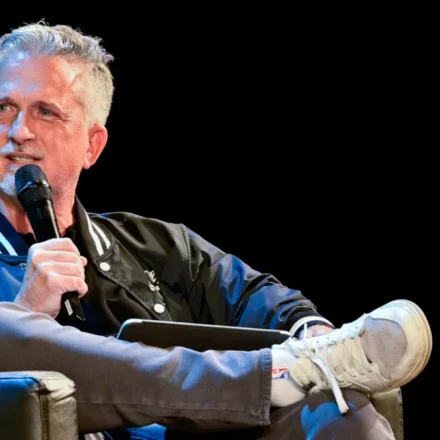
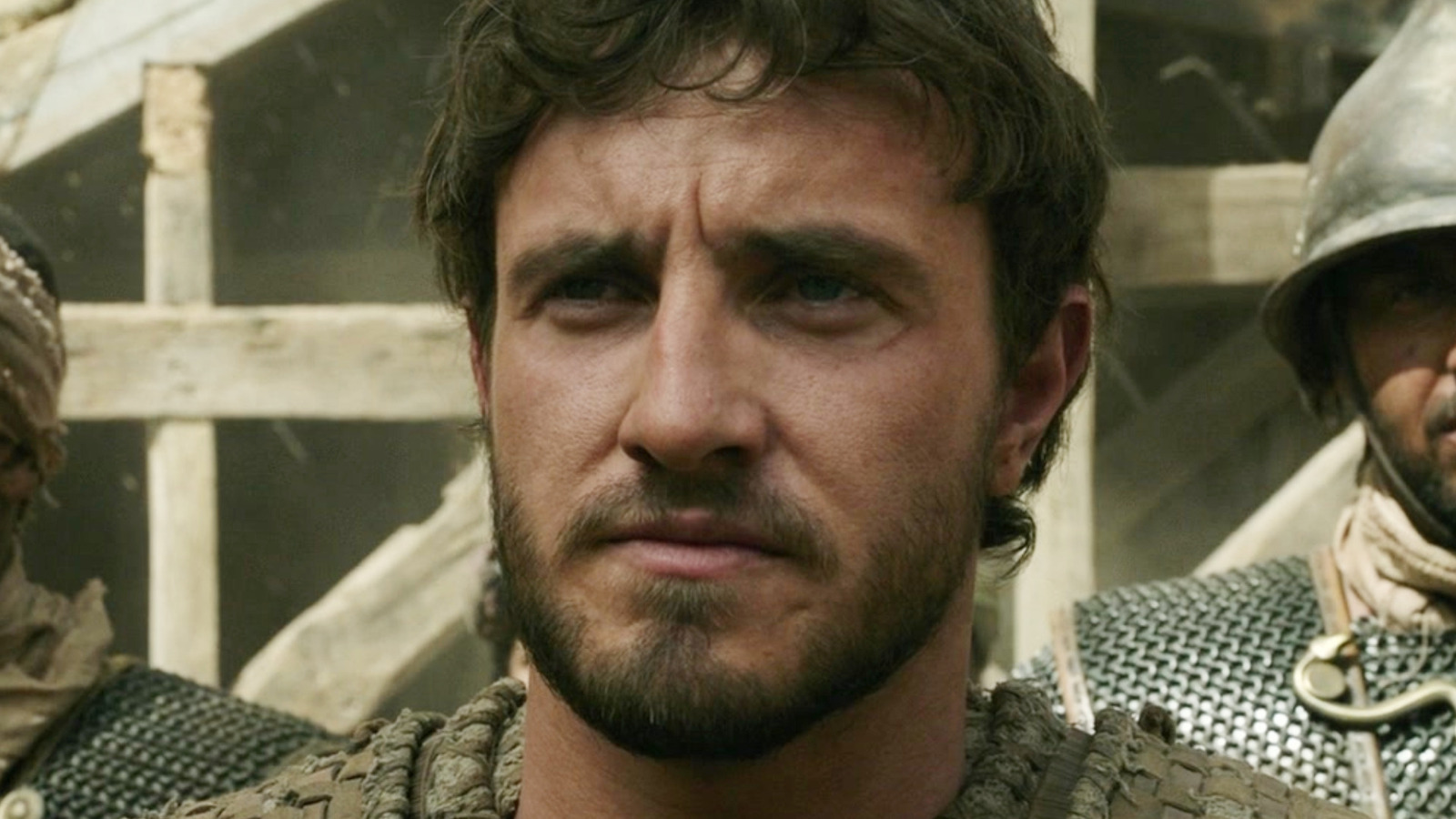
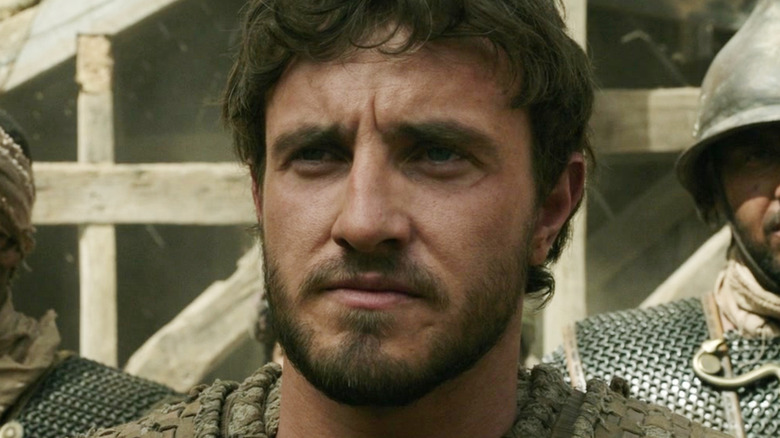
Yet, sources close to the production, as reported by Puck’s Matthew Belloni, suggest a more volatile reality. According to these accounts, the professional relationship fractured due to Scott’s perception of Mescal’s performance in Gladiator II. The director reportedly felt that Mescal lacked the "masculine" presence required to carry the weight of the film—an ironic critique given that the character of Lucius was written as a direct heir to the legacy of Russell Crowe’s iconic warrior.
The situation is further complicated by the internal politics of Hollywood. A counter-narrative has emerged suggesting that the withdrawal from The Dog Stars was not entirely Mescal’s decision. Some reports indicate that Sam Mendes may have pressured the actor to drop the project as a strategic move against Scott, following an incident where Scott inadvertently spoiled the news of Mescal’s casting in the Beatles project before it was officially authorized.
Chronology: From the Colosseum to the Casting Room
The timeline of this friction reveals a fast-moving collapse of professional rapport:
- Production Phase: Filming for Gladiator II proceeds with high expectations. Despite reports of friction with cinematographer John Mathieson and vocal criticisms from historical consultants, the project moves forward toward its 2024 release.
- The Promotional Window: Gladiator II hits theaters. While the visual scale is lauded, box office numbers underperform against the massive budget.
- The "Alien" Pivot: Ridley Scott begins shifting his focus, hinting at future projects and potential reunions with legacy collaborators like Michael Fassbender.
- The Dog Stars Departure: Paul Mescal officially exits the production of The Dog Stars. While publicists cite the rigorous schedule of the Beatles project, industry insiders begin to whisper about a rift between the director and the star.
- The Leak: Reports surface alleging that Scott expressed dissatisfaction with Mescal’s portrayal of Lucius, marking a significant departure from the praise typically offered by directors to their leads during a press tour.
Is the Criticism Justified? Analyzing the Performance
If one is to objectively analyze the performance of Paul Mescal as Lucius Verus Aurelius, the narrative that he is the "problem" with Gladiator II appears to be a convenient scapegoat for broader creative shortcomings.
Mescal, a BAFTA-winning actor known for his intense, internal performances in works like Aftersun and Normal People, brought a vulnerability to Lucius that contrasted sharply with the archetypal, stoic machismo of Russell Crowe. While some may interpret this as a lack of "masculinity," a more nuanced reading suggests that Mescal was playing a character trapped in a cycle of trauma—a man forced to repeat the violent history of a father he barely knew.
The film’s actual structural issues—which were arguably beyond Mescal’s control—include a screenplay that at times felt like it was retracing the exact emotional beats of the 2000 original without offering a fresh perspective. Furthermore, critics have noted that Scott’s direction often seemed more preoccupied with the machinations of Denzel Washington’s character, Macrinus, than with the protagonist’s journey. Washington’s performance was electric, but it often shifted the center of gravity away from Lucius, leaving the titular character to function as a pawn in a larger, colder game.
Implications for Ridley Scott’s Legacy
The fallout from Gladiator II speaks to a larger issue in how legacy sequels are conceived and executed. Ridley Scott is a filmmaker who has always prioritized technical precision and grand, sweeping narratives. However, as he continues to push forward with new projects—including rumors of a new Alien film—this recent episode highlights a potential disconnect between the director and the current climate of audience expectations.
By blaming a lead actor for a project’s commercial performance, a director risks alienating the talent pool of a new generation. Paul Mescal is currently one of the most sought-after actors in the industry; burning bridges with such a performer could have long-term consequences for Scott’s ability to attract top-tier talent for his future endeavors.
Moreover, the "blame game" tactic rarely serves a director well in the public eye. In an age of social media transparency and rapid news cycles, the industry is increasingly favoring collaborative environments over the traditional "autocratic" director model.
Conclusion: A Lesson in Collaboration
Whether or not Ridley Scott truly holds a grudge against Paul Mescal, the discourse surrounding their alleged conflict serves as a cautionary tale about the pressures of high-budget filmmaking. Gladiator II was a film burdened by its own history, caught between the need to honor the legacy of a classic and the necessity of reinventing itself for a modern audience.
If the project failed to meet expectations, the answer likely lies in the sum of its parts—the script, the pacing, and the changing tides of the box office—rather than the performance of any single actor. As Scott looks to his next projects, the industry will be watching to see if he pivots back to the collaborative, visionary approach that defined his early career, or if he continues to struggle with the complexities of managing the egos and expectations that come with modern, mega-budget filmmaking.
Ultimately, Paul Mescal remains a formidable talent who has already moved past the Gladiator experience. Whether the relationship between the veteran director and the rising star is truly severed remains to be seen, but the narrative of their disagreement serves as a stark reminder of the volatility inherent in the heart of the Roman Colosseum—and the Hollywood studio system alike.