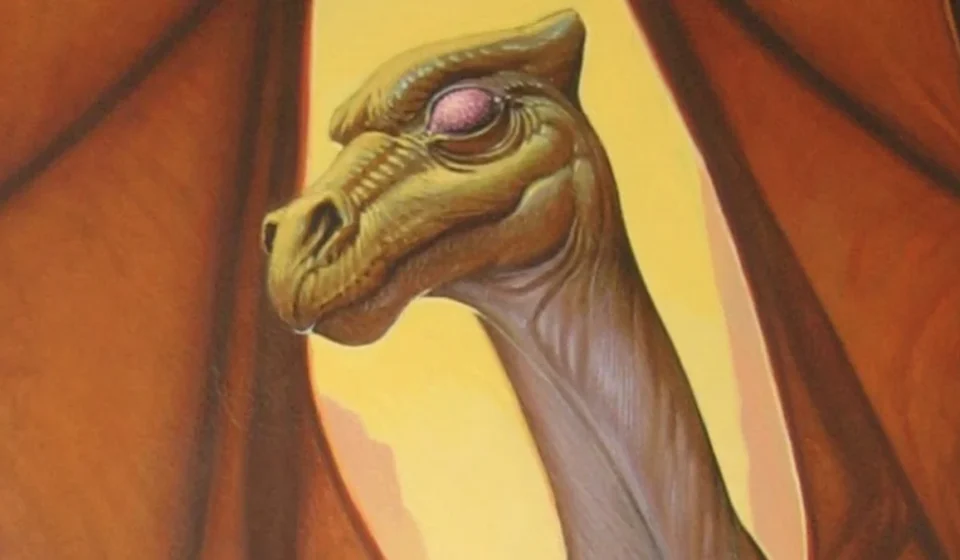

For decades, the world of science fiction and fantasy literature has been defined by a handful of seminal pillars. Among them sits Anne McCaffrey’s Dragonriders of Pern, a sprawling, intergalactic saga that bridged the gap between hard science fiction and high fantasy. With millions of copies sold and a devoted global following, the series remains a masterclass in world-building. Yet, despite its massive potential for adaptation, the story of the planet Pern has struggled to make the leap from the page to the screen.
Perhaps the most heartbreaking chapter in this saga of "what could have been" is the aborted early-2000s television project helmed by industry titan Ronald D. Moore. Before he became the visionary behind the reimagined Battlestar Galactica and Apple TV+’s For All Mankind, Moore stood on the precipice of bringing the dragons of Pern to life—only to see the production implode days before cameras were set to roll.
The World of Pern: A Sci-Fi Masterpiece
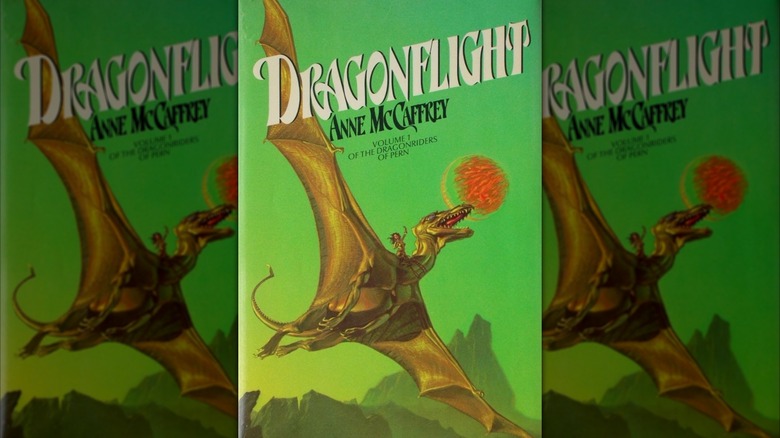
To understand why the failure of this project stung so deeply, one must first appreciate the depth of McCaffrey’s creation. First published in 1968 with the novel Dragonflight, the series introduced readers to a society that feels like medieval fantasy but is firmly rooted in science fiction.
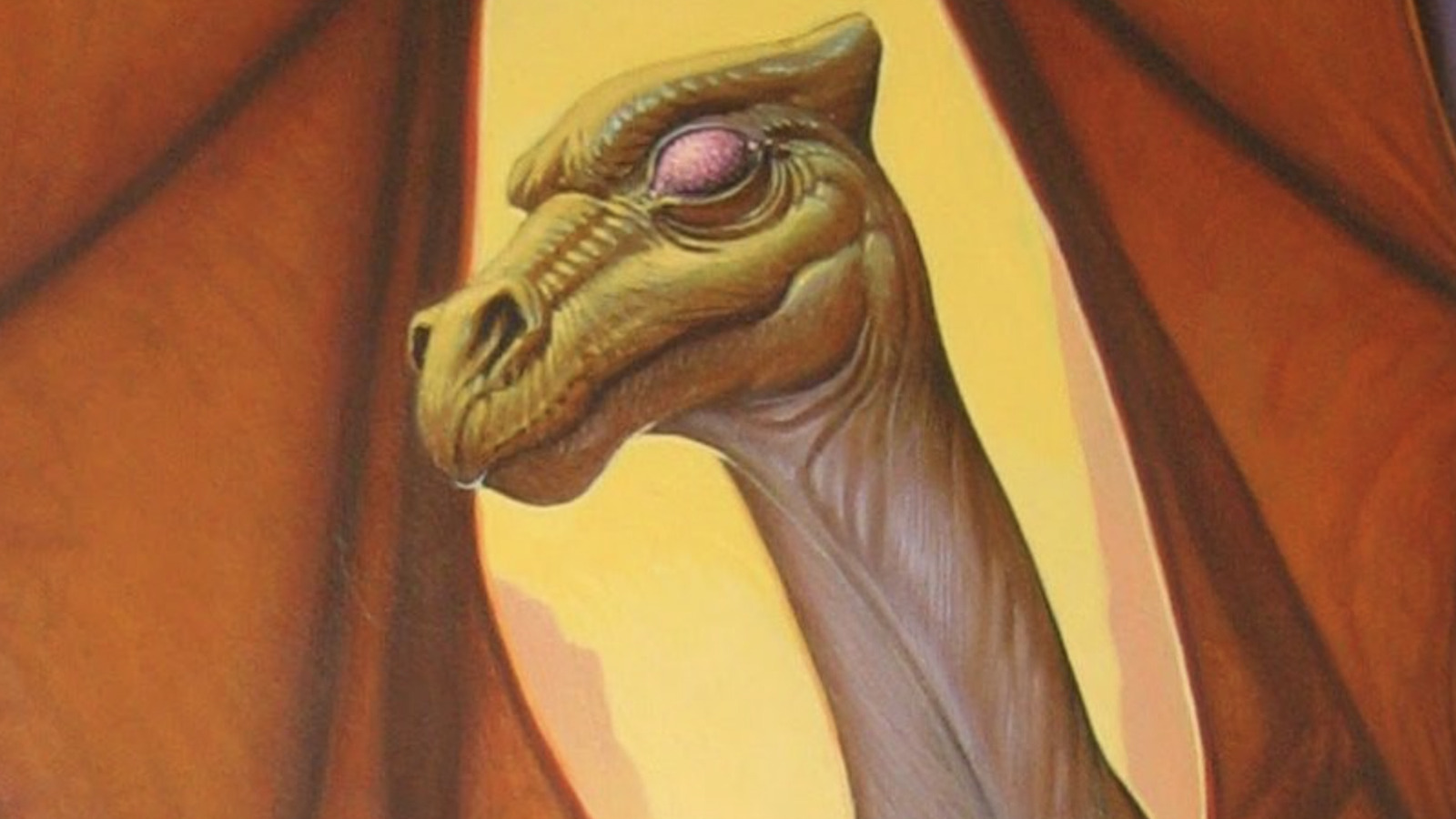
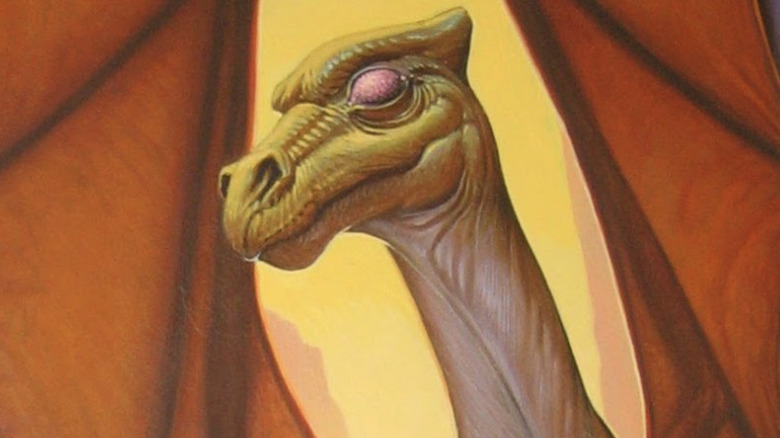
Pern is a planet periodically ravaged by "The Thread," a mycorrhizoid, life-consuming spore that falls from the sky, devouring all organic matter in its path. To survive, the human inhabitants of Pern formed a symbiotic, telepathic bond with the planet’s native, fire-breathing dragons. Through an process known as "The Impression," human riders and dragons become inextricably linked, working in tandem to incinerate the Thread in the atmosphere.
McCaffrey’s brilliance lay in her ability to weave complex themes of genetic engineering, colonial history, and societal evolution into a narrative that felt intimate. She continued to expand this universe until her death in 2011, with her children, Todd and Gigi, later contributing to the mythos. Given this longevity and depth, it is little wonder that major studios began eyeing the property for a high-budget television spectacle.
The Chronology of a Production Collapse
In the early 2000s, the landscape of television was changing. Networks were eager for the next big genre hit, and Ronald D. Moore—fresh off his work on the Star Trek franchise—was the ideal candidate to spearhead a Pern adaptation.
The project was moving at breakneck speed. By 2001, the production had moved to Santa Fe, New Mexico. The infrastructure was in place: a production team had been assembled, the cast was ready, and the visual effects teams were prepped to tackle the gargantuan task of creating photorealistic, telepathic dragons.
According to Moore, the production was literally days away from filming the pilot. The "whole enchilada," as he famously put it, was served and ready to be consumed. Then, with a suddenness that caught the entire crew off guard, the plug was pulled. It was a "horrifically spectacular" collapse, marking the end of a project that promised to define the next generation of fantasy television.
Studio Interference: The "Buffy-fication" of Pern
The autopsy of the project reveals a classic Hollywood conflict: the clash between artistic integrity and network marketability. While Moore was committed to translating the gravitas and grounded tone of McCaffrey’s books to the screen, the studio executives at Warner Bros. had a different vision.
After reviewing the initial pilot script, the studio requested a "polish." However, what returned to Moore was a fundamental re-imagining of the series. The executives were reportedly looking to replicate the success of shows like Buffy the Vampire Slayer and Xena: Warrior Princess. They wanted a series defined by a lighter tone, self-aware dialogue, and the "winking" humor that characterized the WB’s biggest hits of the era.
For Moore, this was an impossible compromise. He argued that the soul of Dragonriders of Pern was its sincerity and its complex, often somber, exploration of survival. He noted, "There wasn’t a way to split the difference." By forcing a tone shift that contradicted the source material, the network effectively forced Moore to choose between his professional reputation and a compromised product. He chose to walk away, leading to the immediate shuttering of the production offices.
The Impact of Creative Integrity
In the aftermath, the loss of the Pern series served as a cautionary tale about the perils of studio interference. Moore’s decision to prioritize the integrity of McCaffrey’s world over a guaranteed paycheck was met with a mix of shock and respect within the industry.
"I had a responsibility to the material and the source of the material," Moore later reflected. He expressed a belief that the fanbase, while saddened by the cancellation, would have been far more incensed by an adaptation that treated the rich history of Pern as a vehicle for campy, lighthearted antics. This sentiment remains a cornerstone of how modern showrunners approach beloved intellectual property today.
Implications for Future Adaptations
The failure of the 2001 Pern project did not end the desire to adapt the series, but it certainly cast a long shadow. Over the last two decades, the rights to Dragonriders of Pern have bounced between studios, including a high-profile attempt by Warner Bros. to develop a film adaptation that has seen little to no traction since its announcement years ago.
The irony of the situation is that the television landscape has since evolved to embrace exactly the kind of "classy, interesting" storytelling that Moore was attempting to build. Today’s streaming giants—Netflix, HBO, and Apple TV+—regularly invest in high-fantasy series like House of the Dragon or The Lord of the Rings: The Rings of Power, which demand a level of seriousness and world-building that the WB was not prepared for in 2001.
If there is a lesson to be learned from the Pern disaster, it is that the "prestige" model of television might have been a better fit for McCaffrey’s work all along. The insistence on fitting a square peg into a round hole—trying to make a high-stakes sci-fi epic into a quirky, episodic fantasy—was the primary catalyst for the project’s demise.
Conclusion: A Legacy Waiting for the Right Vision
Today, the Dragonriders of Pern remains one of the most significant "lost" projects in the history of science fiction television. It serves as a reminder of the delicate balance between commercial interests and creative vision. While Ronald D. Moore eventually went on to create incredible, enduring television, the dream of seeing the skies of Pern filled with fire-breathing dragons and their riders remains unfulfilled.
For the legions of fans who grew up reading about Lessa, F’lar, and the noble dragons of the Weyrs, the hope persists. Perhaps one day, a studio will recognize that the material does not need to be "polished" or "winking"—it simply needs to be honored. Until that time, the story of the Pern adaptation remains a poignant example of the immense costs—both financial and creative—of losing sight of the source material.