Kyle Buchanan Departs The New York Times to Launch Independent Multimedia Venture

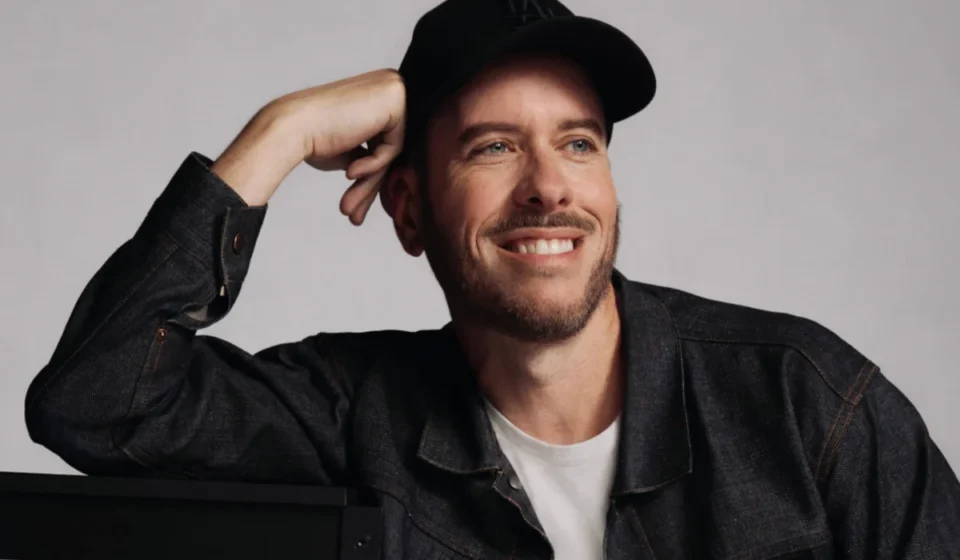
In a significant shakeup within the landscape of entertainment journalism, Kyle Buchanan—one of the most recognizable voices in Hollywood reporting and awards-season coverage—has officially stepped down from The New York Times. After an influential eight-year tenure at the publication, Buchanan is transitioning into the independent media space with the launch of his own video podcast, The Kyle Buchanan Show, slated to debut in mid-October.
The move marks a pivot for one of the industry’s most prolific writers, signaling a growing trend of top-tier journalists leveraging their established personal brands to build independent, multi-format media platforms.
The Shift: A New Chapter for Industry Analysis
Buchanan’s departure from The New York Times was finalized on Friday, closing a chapter defined by his incisive profiles and deep-dive reporting on the mechanics of the entertainment industry. His new venture, The Kyle Buchanan Show, promises to bridge the gap between high-level industry analysis and intimate, long-form conversation.
The podcast, which will be released twice weekly, is designed with a bifurcated format to capture both the rapid-fire nature of industry news and the slow-burn depth of celebrity journalism:
- Tuesdays — "The Panel": A collaborative segment where Buchanan will host a rotating roster of two to three industry experts, critics, and insiders to dissect the week’s most pressing Hollywood developments.
- Fridays — "The Profile": A return to Buchanan’s roots as a premier interviewer, featuring in-depth, one-on-one sessions with A-list talent.
The launch is being bolstered by a strategic partnership with Acast, the world’s largest independent podcast company. Through this deal, Acast will oversee advertising, brand partnerships, and global distribution. This partnership places Buchanan among a slate of high-profile creators, joining the ranks of established podcasts like Giggly Squad and The Lonely Island and Seth Meyers. The show will be available across all major podcast platforms, with a heavy emphasis on the video-podcast medium via Apple Podcasts.
Chronology: A Career Built on Depth
To understand the weight of this move, one must look at the trajectory of Buchanan’s career. Before joining The New York Times in 2018, Buchanan was a cornerstone of New York Magazine’s Vulture, where he earned a reputation for being one of the first journalists to treat the "awards race" with the same level of academic rigor and investigative curiosity as political reporting.
During his eight years at the Times, Buchanan solidified his status as a "must-read" for Hollywood insiders. His portfolio includes definitive profiles of some of the industry’s most elusive and impactful figures, including:
- Daniel Day-Lewis: Navigating the rare public insights of a notoriously private method actor.
- Nicole Kidman and Brad Pitt: Capturing the evolution of their careers in an era of streaming dominance.
- Jennifer Lawrence and Michael B. Jordan: Analyzing the transition of rising stars into seasoned industry powerhouses.
Perhaps his most significant contribution to film literature outside of his journalism is the bestselling book, Blood, Sweat & Chrome: The Wild and True Story of Mad Max: Fury Road. An exhaustive oral history compiled from over 130 interviews, the book became a cult classic for film enthusiasts. Entertainment Weekly noted that the book was "no less jaw-dropping than the movie itself," a sentiment that reflects Buchanan’s unique ability to peel back the layers of Hollywood’s most complex productions.
The State of the Industry: Why Now?
Buchanan’s decision to leave a legacy publication like the Times for an independent venture is indicative of a broader shift in how media is consumed. In an era where the 24-hour news cycle is dominated by "quick hits" and algorithm-driven headlines, there is a palpable hunger for nuanced discussion.
"In a new media landscape overloaded with quick hits, nothing beats a real conversation," Buchanan said in a statement released on Tuesday. "In fact, I think audiences and talent are hungrier than ever for talk that goes deep. The Kyle Buchanan Show will offer a genuine inside look at Hollywood, with a perspective that industry figures and fans can trust."

This sentiment addresses a growing frustration among both audiences and high-level talent. Celebrity press junkets have become increasingly scripted and sterilized. By moving to a podcast format, Buchanan is positioning himself to offer the kind of "off-the-record" candor that is often lost in the standard Q&A format of legacy newspapers.
Supporting Data: The Rise of the Creator-Journalist
The move to platforms like Acast underscores the economic viability of independent media. As traditional print outlets face ongoing challenges regarding revenue models and digital subscriptions, the "creator-journalist" model has proven to be a robust alternative.
By owning his own intellectual property and maintaining a direct relationship with his audience, Buchanan is tapping into the "patronage" model of modern media. The partnership with Acast ensures that the show will have the infrastructure to scale quickly, reaching audiences not just through text, but through video and audio, effectively diversifying his footprint across the digital ecosystem.
Implications for Hollywood and Journalism
The departure of a writer of Buchanan’s caliber from the Times leaves a vacuum in the paper’s awards and pop culture coverage, but it also creates a new powerhouse in the independent sector.
1. The Decentralization of Hollywood Reporting:
Historically, prestige was granted by the mastheads of legacy newspapers. Today, prestige is increasingly defined by the depth of a creator’s access and the quality of their conversation. Buchanan’s shift suggests that the most compelling entertainment journalism may soon live outside of the newsroom, where journalists are not beholden to editorial constraints or house styles.
2. The Return to Long-Form:
By dedicating half of his output to "The Profile," Buchanan is making a bet that audiences are willing to invest an hour or more in a conversation. In an attention economy, this is a bold move that contrasts sharply with the "bite-sized" content strategy favored by social media giants.
3. Talent Relations:
For Hollywood stars, a sit-down with Buchanan offers a platform that is perceived as both credible and substantive. In a climate where PR teams are increasingly cautious, Buchanan’s reputation for intellectual honesty makes him an ideal interviewer for talent who want to discuss their craft rather than just promote a product.
Conclusion
Kyle Buchanan’s transition from the Times to his own multimedia production is more than just a job change; it is a statement about the future of media. As he prepares to launch The Kyle Buchanan Show in mid-October, the industry will be watching to see if this new, independent model can sustain the level of influence he built over his eight-year tenure at the newspaper.
If his past work is any indication—marked by his meticulous research on Mad Max: Fury Road and his award-winning profiles—Buchanan is well-positioned to succeed. By combining the rigor of a legacy journalist with the agility of a modern independent creator, he is setting a new standard for how we consume, discuss, and understand the business of Hollywood. Whether the audience follows him from the page to the podcast will be the ultimate test, but given his track record, the odds are heavily in his favor.