The Melancholy of Transition: Zvonimir Jurić’s ‘Small Things’ and the Quiet Fracturing of the Croatian Family

Main Facts: A Long-Awaited Return to the Sarajevo Competition
Twelve years after his haunting feature The Reaper (2014) solidified his reputation as a master of atmospheric tension, Croatian writer-director Zvonimir Jurić has returned to the international spotlight. His latest work, Small Things (orig. Male stvari), made its world premiere in the prestigious Competition program of the Sarajevo Film Festival, marking a significant moment for Balkan cinema.
Small Things is an elegant, understated chamber drama that eschews the histrionics of traditional family melodramas in favor of a whispered, windswept melancholy. Adapted from a short story by Jurica Pavičić—who co-wrote the screenplay with Jurić—the film explores the existential and financial friction that occurs when a family reunites on a remote Adriatic island to settle the estate of their aging patriarch.
The film stars a powerhouse ensemble of regional talent: Bosnian veteran Izudin Bajrović as the father, alongside Marija Škaričić, Ivana Roščić, and Juraj Lerotić. Notably, the film reunites cinematographer Marko Brdar with Lerotić, the director-star of the 2022 Sarajevo winner Safe Place, creating a spiritual and aesthetic dialogue between two of the most significant Croatian films of the decade. Small Things is a study of "slow cinema," prioritizing texture, sound, and silence over traditional plot beats, offering a profound meditation on how modernity encroaches upon the "amber" of childhood memories.
Chronology: A Weekend of Quiet Desperation
The narrative of Small Things unfolds over a few days, structured around a family gathering that is as much about the future as it is about the past.
The Arrival and the Clash of Eras
The film opens with a deceptively lighthearted scene. The grandchildren of the family patriarch (Izudin Bajrović) are seen teaching their grandfather how to navigate the complexities of a modern smartphone. It is a moment of "charming cluelessness" that masks a deeper theme: the widening gulf between the traditional world of the Adriatic elders and the digital, globalized reality of the younger generation.
This cultural shift is further emphasized during a family game of “Who Am I?” later that evening. The cards taped to the players’ foreheads represent a fractured cultural identity, featuring a mix of former Yugoslavian folk songstresses and Western icons like Paris Hilton and Lady Gaga. This juxtaposition serves as the film’s first major signpost of modernity’s encroachment.
The Business of Inheritance
The primary catalyst for the reunion is the sale of the father’s orchard. Sisters Anica (Marija Škaričić) and Irena (Ivana Roščić), both of whom live on the Croatian mainland, have returned to their rustic childhood home to negotiate the inheritance. However, the business of land and money quickly gives way to the weight of personal tragedies.
As the sisters visit their mother’s clifftop grave and navigate the local village—where residents still buy groceries "on account" in a display of old-world communal trust—the audience learns of their current plights. Anica is reeling from the recent death of her partner to cancer, leaving her childless and emotionally isolated. Irena, meanwhile, is pregnant, but the child is revealed to be a desperate, "last-ditch effort" to salvage a marriage that is already crumbling.
The Presence of the Absent Brother
The middle act of the film is dominated by the presence of Ivan (Juraj Lerotić), the third sibling. Ivan lives in a state of catatonic withdrawal in a ground-floor room of the family home. His rare excursions are limited to squid fishing or preparing meager bowls of instant soup. His "gloomy, gaunt vacancy" casts a shadow over the household, turning the family’s attempt at financial planning into a confrontation with mortality and mental collapse.
The Climactic Restraint
The film does not culminate in a loud confrontation. Instead, the tension peaks through "gestures and glances." When Irena, driven by financial desperation, makes a bid for Ivan’s share of the inheritance, the conflict is resolved not with a shout, but with an icy, judgmental look from Anica that sends Irena into a silent breakdown. The film concludes with an "agonizingly tender" shot that reinforces the central theme: the inevitability of change and the lingering pain of what remains.
Supporting Data: Technical Precision and Casting Synergy
The impact of Small Things is heavily reliant on its technical execution, which favors sensory immersion over traditional storytelling.
Sound as Score
One of the film’s most striking features is the total absence of a musical score. In its place, Jurić utilizes a vivid and meticulous sound design. The auditory landscape is composed of:
- The environment: Billowing foliage and the constant, restless wind of the Adriatic.
- The house: Creaky floorboards and the heavy thud of doors.
- The silence: Used as a narrative tool to highlight the "airless" quality of Ivan’s depression.
Cinematography and Lighting
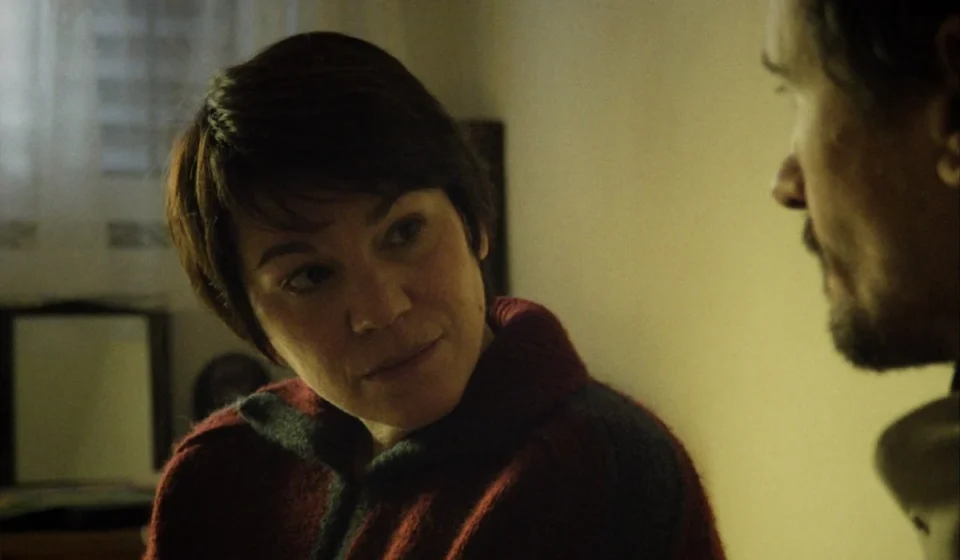
Marko Brdar’s cinematography utilizes mostly static images and natural lighting. The family’s weathered abode is captured with a "dusky inertia." By keeping the camera still, Brdar forces the viewer to observe the minute changes in the actors’ expressions. Ivan’s face is frequently obscured in shadow or captured in hazy side profiles, contrasting with Anica’s "bright, concerned gaze," which serves as the film’s emotional anchor.
The ‘Safe Place’ Connection
The casting of Juraj Lerotić is a meta-textual masterstroke. Lerotić’s own film, Safe Place, was a harrowing, semi-autobiographical account of his brother’s suicide. By casting Lerotić as the suicidal or deeply depressed Ivan in Small Things, Jurić invites the audience to filter the performance through the lens of Safe Place. This creates a "fearsome cloud of mortality" that permeates every frame Lerotić enters, even when he has no dialogue.
Official Responses: A Quiet Gem in the Festival Circuit
While Small Things is a smaller, more intimate film than some of its high-budget competitors, its reception at the Sarajevo Film Festival has been characterized by deep critical respect.
- Critical Consensus: Critics have praised the film’s "emotional reserve" and Jurić’s ability to find "small-scale beauty" in the mundane. Comparisons have been made to the works of Nuri Bilge Ceylan or the Dardenne brothers, focusing on the "slow-cinema" aesthetic that rewards patient viewers.
- Director’s Perspective: In festival interviews, Zvonimir Jurić has discussed the 12-year gap between his features, noting that Small Things required a specific type of "unrushed" development to capture the authentic rhythm of island life and the nuances of familial grief.
- Industry Outlook: Distributors specializing in art-house and slow-cinema titles have noted the film’s potential as a "Croatian gem" that could find a dedicated audience in European boutique cinemas and on curated streaming platforms like MUBI.
Implications: The Future of Croatian "Slow Cinema"
The release and critical success of Small Things carry several broader implications for the regional film industry and the portrayal of Balkan life.
1. The Shift from War to Internalized Trauma
For decades, Balkan cinema was defined by its response to the Yugoslav Wars. Small Things represents a continued shift toward internalized, domestic drama. The "war" here is not fought with guns, but with inheritance papers, cancer diagnoses, and the silent struggle of mental illness. It reflects a society that is moving past the immediate aftermath of conflict and into the complexities of late-stage capitalism and modern isolation.
2. The Economic Reality of the Adriatic
The film highlights a specific regional anxiety: the sale of ancestral land. As the Croatian coast becomes increasingly commercialized for tourism, many families face the existential crisis of selling their "orchards" (symbolizing their heritage) to survive in a modern economy. The film suggests that while the money might solve immediate problems for characters like Irena, it leaves a permanent void in the family’s history.
3. The Power of Regional Collaboration
The collaboration between Croatian and Bosnian talent (specifically Izudin Bajrović and Juraj Lerotić) underscores the continued importance of the "Adria" co-production model. By pooling talent and resources from across the former Yugoslav borders, directors like Jurić are able to create high-quality, atmospheric works that resonate across the entire region and beyond.
4. A Benchmark for Artistic Patience
In an era of rapid-fire streaming content, Small Things serves as a reminder of the value of "unrushed" storytelling. Its success at Sarajevo suggests there is still a significant appetite for films that require the viewer to sit with discomfort and silence. The "culminating shot" of the film—a reminder that some things linger in the "amber of childhood"—serves as a metaphor for the film itself: a preserved moment of beauty and pain that refuses to be hurried.