
In a major strategic pivot for its fantasy slate, Netflix has officially confirmed the development of a high-profile live-action television series based on Ravenloft, the iconic gothic-horror campaign setting from the Dungeons & Dragons (D&D) universe. This announcement, reported by Variety, signals a significant evolution in the streaming giant’s partnership with Hasbro and its subsidiary, Wizards of the Coast.
The Ravenloft project is slated to replace a previously announced series centered on The Forgotten Realms, which has been officially canceled. As Netflix looks to capture the same critical and commercial lightning that turned The Witcher into a flagship franchise, the shift toward the darker, more atmospheric corners of the D&D multiverse suggests a move toward “prestige” genre storytelling.
The Narrative Core: The Tragedy of Strahd von Zarovich
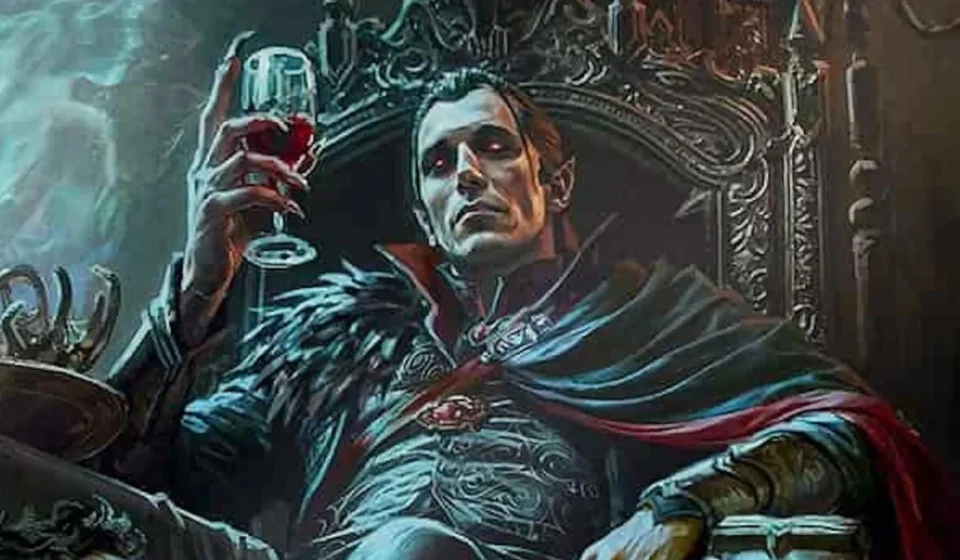
At the heart of the new series lies the chilling origin story of Strahd von Zarovich, one of the most recognizable and enduring antagonists in tabletop history. The series is being framed as a character-driven drama that blends high fantasy with the grim aesthetics of gothic horror.
According to initial project descriptions, the narrative will chart the metamorphosis of a tragic antihero into a monstrous Darklord. It promises an exploration of power, forbidden love, and obsessive descent, chronicling Strahd’s transformation into an undead tyrant. By grounding the supernatural elements in the psychological unraveling of its lead, Netflix aims to move beyond traditional sword-and-sorcery tropes, leaning instead into the “tragic romance” and “supernatural intrigue” that have defined the Ravenloft modules for over four decades.
A Legacy of Dread: Chronology of the Setting
To understand the weight of this adaptation, one must look at the history of the source material. Ravenloft was not merely another module in the D&D canon; it was a revolution for the game.
The Origins (1983)
Created by Tracy and Laura Hickman, the original Ravenloft module (I6) was published in 1983. It introduced players to the Mists—a sentient, supernatural fog that traps adventurers in a pocket dimension known as the Domains of Dread. Unlike the traditional heroic quests of the Forgotten Realms, Ravenloft forced players to confront psychological terror, moral ambiguity, and the overwhelming power of the environment itself.
The Evolution of the Domain
Throughout the 1990s and early 2000s, the setting expanded significantly, introducing a complex geography of “dark powers” and various lords of terror. It became a staple for players looking for a darker, grittier experience, effectively bridging the gap between high fantasy and gothic literature—a feat rarely achieved in tabletop gaming at the time.
Modern Reimagining (2026)
The announcement of the series coincides with a broader renaissance for the brand. Wizards of the Coast recently released Ravenloft: The Horrors Within, an expansive, modernized reimagining of the original storyline. This release serves as both a foundation for the new lore the series will likely draw upon and a testament to the brand’s enduring marketability.
The Power Behind the Project
Netflix has spared no expense in assembling the creative team for this venture. The project is being spearheaded by screenwriter John August, known for his long-standing collaboration with Tim Burton and his work on films such as Big Fish and the live-action Aladdin.
Perhaps most notably, the series features executive producer Alfonso Cuarón. The Academy Award-winning director of Children of Men and Gravity brings a distinct cinematic language to the project. Cuarón’s involvement is widely interpreted by industry analysts as a signal of intent; his track record with grounded, character-focused storytelling suggests that the Ravenloft series will prioritize atmosphere and emotional resonance over mere spectacle.

Additional production oversight is provided by Gabriel Marano for Hasbro, along with Richard Schwartz and Gaby Rodriguez for Esperanto Filmoj, ensuring that the project remains faithful to the complex lore established by Wizards of the Coast while appealing to a broader streaming audience.
Why The Forgotten Realms Was Sidelined
The cancellation of the previously teased Forgotten Realms series has sparked intense industry debate. For years, the Forgotten Realms—the setting for games like Baldur’s Gate—was viewed as the obvious choice for a tentpole series due to its massive world-building and recognition.
However, industry experts point to the current saturation of traditional high-fantasy content. Between The Lord of the Rings: The Rings of Power and The Wheel of Time, the genre is currently overcrowded. Ravenloft, by contrast, occupies a unique “gothic horror” niche. By pivoting to a darker, more contained setting, Netflix and Hasbro may be attempting to differentiate their offering, positioning the Ravenloft series as a competitor to prestige horror-dramas rather than another standard fantasy epic.
Implications for the Dungeons & Dragons IP
This move is a calculated risk that reflects the current state of the Hasbro-Wizards of the Coast licensing strategy. Having seen the success of Dungeons & Dragons: Honor Among Thieves in theaters, the company is now testing the waters for a more serialized, adult-oriented television presence.
The “Prestige” Pivot
By emphasizing “character-driven stories of dark magic,” Netflix is signaling that the series is aimed at a mature demographic. If successful, this could pave the way for a “D&D Television Universe,” where different settings—from the steampunk-inspired Eberron to the planar-hopping Planescape—receive their own dedicated adaptations.
Cultural Impact
The adaptation of Ravenloft also validates the influence of the horror-fantasy crossover. For decades, the tabletop industry was relegated to the fringes of pop culture. The transition of a module as specific and dark as Ravenloft to a major streaming platform demonstrates that the mainstream audience is now hungry for the kind of complex, dark storytelling that was once the exclusive domain of late-night gaming sessions.
Challenges Ahead: Translating the Experience
Despite the excitement, the production faces significant hurdles. Translating the Ravenloft experience—which is defined by the agency of the player—into a linear narrative format is notoriously difficult.
- The Strahd Problem: Strahd von Zarovich is a villain defined by his omnipotence within his domain. Adapting this without making him feel like a standard-issue vampire requires a delicate balance of tragic empathy and genuine terror.
- Pacing vs. Atmosphere: Ravenloft thrives on the dread of the unknown. Maintaining that tension over an eight-to-ten-episode season, rather than a single three-hour gaming session, will require masterful pacing by John August and the writing team.
- Fan Expectations: The D&D community is notoriously protective of its lore. Any deviation from the established canon of the Domains of Dread will be met with immediate scrutiny. The involvement of the Hickman creators’ legacy, coupled with the modern updates in The Horrors Within, suggests that Netflix is aware of this and is prioritizing canon accuracy.
Conclusion: A New Era of Shadow
The announcement of a live-action Ravenloft series marks a turning point for both Netflix and the broader D&D franchise. By trading the expansive, sun-drenched plains of the Forgotten Realms for the claustrophobic, fog-drenched castles of Barovia, the production is betting that audiences are ready to embrace the shadows.
With the creative pedigree of Alfonso Cuarón behind it and a narrative focus on the tragic descent of Strahd, the series is positioned to be a major cultural event. Whether it can effectively capture the unique blend of gothic horror and high-stakes adventure that has kept Ravenloft alive for over 40 years remains to be seen. However, one thing is certain: the Mists have descended, and the world of Dungeons & Dragons is about to become a much darker place.