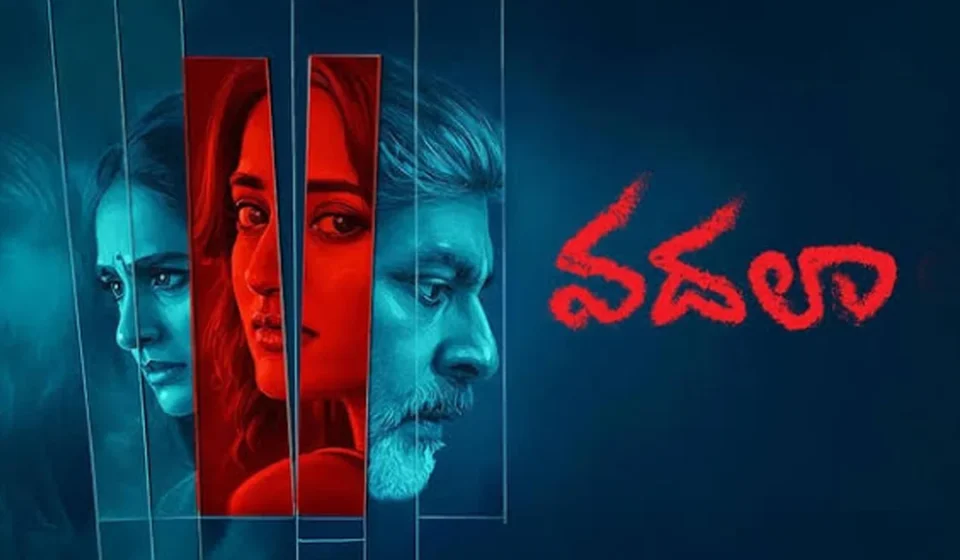
"Vadala" Seeks Digital Redemption: Telugu Psychological Thriller Gets Second Chance on Aha After Theatrical Setback

Hyderabad, India – July 26, 2026 – In an increasingly dynamic entertainment landscape where the lines between theatrical runs and digital distribution continue to blur, the Telugu psychological drama-thriller "Vadala" is embarking on a crucial second act. Despite its ambitious theatrical release on July 17, 2026, the film failed to captivate audiences at the box office, leaving its creators with a challenging but familiar dilemma in the post-pandemic era. However, a strategic pivot to Over-The-Top (OTT) platforms is now offering "Vadala" a renewed opportunity to connect with viewers, first through Amazon Prime Video, and imminently, through the regional streaming giant Aha from September 3, 2026. This dual-platform digital strategy underscores a growing trend in regional cinema, where niche or artistically ambitious projects often find their true audience beyond the confines of multiplexes.
Directed by a promising new talent (whose name was notably absent from initial promotional materials, suggesting a focus on the ensemble and genre) and produced by Kishore Naidu Chirumamilla and Thammareddy Bharadwaja, "Vadala" promised a cerebral cinematic experience. It features a compelling ensemble cast including the versatile Srinivas Avasarala, the intense Ravi Varma, and the emerging talent Shreya Singh in pivotal roles, supported by a strong technical crew. Karthik B Kodakandla, known for his evocative compositions, crafted the film’s musical score, which was lauded by early viewers for its ability to enhance the psychological tension. Despite these promising elements, the film’s initial theatrical journey proved to be a stark reminder of the cutthroat competition and unpredictable nature of the contemporary film market. Its arrival on Aha, a platform dedicated exclusively to Telugu content, is particularly significant, signaling a targeted effort to tap into a deeply engaged regional viewership that might have overlooked its initial big-screen outing.
Main Facts: A Digital Lifeline for a Theatrical Underperformer
"Vadala," a Telugu psychological drama-thriller, made its debut in cinemas on July 17, 2026, with aspirations of thrilling audiences through its intricate plot and character-driven narrative. However, despite its intriguing premise and a cast featuring respected performers, the film struggled to garner significant traction at the box office. Industry analysts noted its limited screen count, subdued marketing campaign compared to larger commercial releases, and the overwhelming competition from other high-profile films released around the same period as contributing factors to its lukewarm reception. The film’s critical response was mixed; while some praised its attempt at a nuanced psychological exploration and the performances of its lead actors, others found its pacing challenging or its narrative too convoluted for a broad theatrical audience.
Recognizing the evolving consumption habits of film enthusiasts, the producers swiftly moved to secure digital distribution, ensuring the film would not fade into obscurity. "Vadala" recently premiered on Amazon Prime Video, a global streaming giant, making it accessible to a wider, premium subscriber base. This initial digital launch provided a critical window for the film to begin finding its audience. Building on this momentum, the strategic decision was made to further expand its digital footprint by partnering with Aha, the popular regional Telugu-exclusive OTT platform. This move, slated for September 3, 2026, is designed to maximize reach within its core linguistic demographic, offering a fresh opportunity for discovery and engagement.
The film’s core appeal lies in its exploration of complex human psychology, weaving a narrative that delves into themes of perception, reality, and perhaps, the unraveling of a protagonist’s mind. Srinivas Avasarala, known for his subtle performances and often choosing unconventional roles, is said to deliver a nuanced portrayal that anchors the film’s dramatic weight. Ravi Varma, with his knack for intense characters, and Shreya Singh, bringing a fresh perspective, round out a cast that aims to deliver a compelling ensemble performance. Behind the scenes, the collaboration between producers Kishore Naidu Chirumamilla and Thammareddy Bharadwaja, alongside composer Karthik B Kodakandla, represents a concerted effort to bring a distinctive voice to Telugu cinema. Their continued belief in "Vadala"’s artistic merit, despite its initial commercial performance, is evident in their aggressive pursuit of digital avenues.
Chronology: From Concept to Digital Redemption Arc
Pre-Production and Production: Crafting the Psychological Labyrinth
The journey of "Vadala" began several years prior to its release, rooted in a desire to tell a story that challenged conventional Telugu cinematic tropes. The script, reportedly a collaborative effort, underwent numerous revisions to hone its psychological intricacies and ensure a tight, suspenseful narrative. Casting was a meticulous process, with the filmmakers keen on assembling a team that could embody the script’s demanding characters. Srinivas Avasarala, a respected actor with a penchant for offbeat roles, was an early choice, his cerebral acting style perfectly suited for the film’s psychological undertones. Ravi Varma, known for his intense on-screen presence, was brought in to provide a contrasting dynamic, while Shreya Singh was cast to add another layer of complexity to the ensemble.
Filming commenced in late 2025, primarily across various locations in Andhra Pradesh and Telangana, chosen to evoke a sense of atmospheric tension crucial for a psychological thriller. Production faced the usual logistical challenges inherent in filmmaking, though the team was committed to maintaining the artistic integrity of the vision. Post-production saw composer Karthik B Kodakandla meticulously crafting a score that would amplify the film’s suspense without overpowering the performances. The editing process was crucial for a film of this genre, ensuring that the narrative flow maintained tension and clarity amidst its twists and turns. The producers, Kishore Naidu Chirumamilla and Thammareddy Bharadwaja, provided unwavering support, navigating the creative and financial aspects of bringing such an ambitious project to fruition.
Marketing and Theatrical Release: A Hopeful Start, A Difficult Reality
As the July 17, 2026, release date approached, the marketing team for "Vadala" launched a campaign that aimed to highlight the film’s unique genre and stellar performances. Trailers and teasers were released across digital platforms, emphasizing the psychological depth and suspense. Interviews with the cast and crew were conducted, where they spoke passionately about the film’s potential to offer a fresh perspective to Telugu audiences. However, the promotional budget was constrained compared to big-budget mainstream films, making it challenging to cut through the noise of a crowded release calendar.
On its release day, "Vadala" opened to a modest number of screens, predominantly in urban centers. Initial box office reports indicated a slow start, with occupancy rates significantly lower than anticipated. While a segment of critics praised the film for its bold narrative choices and strong performances, particularly those of Avasarala and Varma, others found it to be too slow-burn or niche for a broad theatrical audience. The lack of immediate word-of-mouth momentum, often a lifeline for smaller films, further hampered its prospects. Within its first week, it became clear that "Vadala" would struggle to recover its production and marketing costs solely from its theatrical run, a disheartening reality for the dedicated team behind it.
Digital Transition: A Strategic Pivot for Broader Reach
The producers, undeterred by the theatrical performance, quickly initiated discussions for digital distribution. The landscape of Indian cinema has dramatically shifted, with OTT platforms becoming indispensable for films that might not achieve blockbuster status but possess artistic merit and a dedicated fan base. "Vadala" secured an early digital window, arriving on Amazon Prime Video approximately four weeks after its theatrical debut. This move allowed the film to immediately reach a vast global audience, including the significant Telugu diaspora.
However, the strategy didn’t stop there. Recognizing the power of regional penetration, particularly for a Telugu-language film, the producers engaged with Aha, the prominent Telugu-exclusive streaming platform. The announcement of "Vadala" streaming on Aha from September 3, 2026, is a deliberate move to tap into a more localized and potentially more receptive audience. This dual-platform approach ensures that "Vadala" is available to both the premium, often urban-centric, subscribers of Amazon Prime Video and the deeply regional audience base of Aha, maximizing its potential for discovery and engagement within its target demographic. This phased digital release offers a crucial second wind, allowing the film to build momentum and find appreciation through word-of-mouth on digital channels.
Supporting Data: The Shifting Sands of Indian Cinema
The Evolving Landscape of Telugu Cinema and OTT’s Ascendancy
The theatrical performance of "Vadala" serves as a poignant illustration of the seismic shifts occurring within the Indian entertainment industry, particularly in regional cinema. Post-pandemic, audience consumption habits have irrevocably changed. Viewers are now accustomed to a diverse array of content at their fingertips, leading to a more discerning approach to theatrical outings. Mid-budget films, especially those that deviate from commercial formulas or lack massive star power, face an uphill battle to draw audiences to cinemas.
Data from recent industry reports highlights the exponential growth of OTT viewership in India. Platforms like Amazon Prime Video, Netflix, Disney+ Hotstar, and regional players like Aha, Zee5, and SonyLIV have become primary entertainment sources. Studies indicate that a significant portion of Indian households now subscribe to at least one OTT service, with regional content seeing a particular surge in demand. For films like "Vadala," which might possess a niche appeal or a more artistic bent, OTT platforms offer a lifeline, providing a space where content can be discovered and appreciated at the audience’s leisure, free from the immediate pressures of opening weekend box office numbers. Several films that underperformed theatrically have found critical acclaim and a dedicated following once released on digital platforms, demonstrating the power of this distribution model. This "long tail" effect allows films to have an extended shelf life, reaching audiences over months and even years.
Genre Analysis: Psychological Thrillers in the Digital Age
Psychological thrillers, by their very nature, often demand a certain level of engagement and patience from the audience. Historically, in Telugu cinema, this genre has seen sporadic success in theatres, often overshadowed by mass-market action or romantic comedies. However, the digital space has proven to be a fertile ground for such content. OTT audiences are often more open to exploring complex narratives, character studies, and slower-paced thrillers that require active viewing. The ability to pause, rewatch, and discuss specific scenes online fosters a deeper connection with intricate plots.
"Vadala"’s positioning as a psychological drama-thriller makes it an ideal candidate for digital success. The film’s reliance on subtle performances, atmospheric tension, and narrative twists resonates well with viewers who seek content that stimulates thought rather than merely entertains. While the theatrical experience might prioritize spectacle, the home viewing environment encourages a more intimate and focused engagement with character development and thematic depth. The success of similar genre films on OTT platforms in recent years suggests a growing appetite for sophisticated storytelling among Indian audiences, a trend "Vadala" hopes to capitalize on.
Market Share and Strategic Platform Selection
The decision to release "Vadala" on both Amazon Prime Video and Aha is a calculated strategic move, leveraging the distinct strengths of each platform. Amazon Prime Video, with its global reach and substantial subscriber base, offers unparalleled exposure, not just within India but also to the vast Telugu diaspora across the world. Its premium subscription model often attracts a demographic interested in a diverse range of high-quality content, including international and independent cinema.
Aha, on the other hand, is a trailblazer in the regional OTT space, focusing exclusively on Telugu content. This specialization allows it to cater precisely to the linguistic and cultural nuances of the Telugu-speaking audience. Aha’s content strategy often includes acquiring films that have struggled theatrically but show promise for digital viewership, as well as producing original Telugu web series and films. By securing a spot on Aha, "Vadala" ensures it reaches a deeply engaged, loyal, and geographically concentrated Telugu audience who actively seek out content in their native language. The combination of a global platform and a regional specialist maximizes the film’s potential viewership and provides multiple discovery points for audiences.
Official Responses: Voices of Hope and Resilience
Producer’s Perspective: Unwavering Belief in Artistic Vision
Kishore Naidu Chirumamilla, one of the film’s producers, expressed a blend of disappointment and unwavering optimism regarding "Vadala"’s journey. "While we naturally hoped for a stronger theatrical run, the reality of the market is undeniable," he stated in a recent interview. "However, our belief in the artistic merit of ‘Vadala’ has never wavered. We knew we had a unique story, strong performances, and a compelling vision. The digital space offers a democratic platform where content can find its true audience, irrespective of initial box office numbers."
Thammareddy Bharadwaja, co-producer, elaborated on the strategic decision for the dual OTT release. "Our goal was to ensure ‘Vadala’ reaches every possible viewer. Prime Video offers global reach and a premium audience, while Aha is our direct connection to the heart of the Telugu-speaking world. It’s a two-pronged approach to give our film the visibility it deserves. We are confident that once people watch it, they will appreciate the intricate narrative and the powerful performances. It’s a film meant for discussion, and OTT facilitates that."
Cast Member’s Remarks: A Call for Discovery
Srinivas Avasarala, whose performance is central to the film’s psychological exploration, shared his enthusiasm for the film’s digital resurgence. "Working on ‘Vadala’ was an incredibly rewarding experience. It’s a demanding role, delving deep into the human psyche, and I truly believe in the story we’ve told. The theatrical response was tough, but that’s the nature of the beast sometimes. Now, with Prime Video and especially Aha, I urge audiences to give ‘Vadala’ a chance. Watch it with an open mind, let the story unfold, and I promise it will stay with you long after the credits roll."
Ravi Varma echoed similar sentiments, emphasizing the collaborative effort. "Every actor, every technician poured their heart into this project. It’s a film that pushes boundaries within the Telugu genre. OTT platforms are a blessing for films like ours because they allow for discovery. Many films find their true fan base through word-of-mouth on digital platforms, and I’m hopeful ‘Vadala’ will be one of them. It’s a different kind of thriller, and I think it will resonate deeply with viewers at home."
OTT Platform Statements: Championing Diverse Content
While specific statements from Amazon Prime Video and Aha representatives regarding "Vadala" are often part of broader press releases, the general sentiment from these platforms consistently emphasizes their commitment to diverse and quality content. A spokesperson for Amazon Prime Video might highlight their role in bringing a wide array of films to their global subscriber base, stating, "We are dedicated to offering our viewers a rich tapestry of stories from across India and the world. Films like ‘Vadala’ represent the vibrant storytelling prevalent in regional cinema, and we are proud to provide a platform for such unique narratives to reach our discerning audience."
Similarly, an Aha representative would likely underscore their mission to elevate Telugu content. "Aha was founded on the principle of bringing the best of Telugu entertainment to our audience, anytime, anywhere. We believe in nurturing regional talent and providing a second home for films that offer compelling narratives and artistic value. ‘Vadala’ is a fine example of a psychological drama that deserves to be seen and appreciated by every Telugu film enthusiast, and we are thrilled to make it available exclusively on our platform."
Implications: The Future Trajectory of Indian Cinema
Future of Mid-Budget and Niche Films: OTT as the New Mainstream
The journey of "Vadala" from a challenging theatrical release to a hopeful digital redemption arc carries significant implications for the future of mid-budget and niche films in India. It reinforces the growing understanding that for films without massive star power or a guaranteed commercial formula, OTT platforms are no longer just a secondary distribution channel but a primary and often more viable one. Filmmakers are increasingly recognizing that the theatrical window serves as an initial showcase, but the true revenue and audience engagement might come from digital streaming. This paradigm shift could encourage more experimentation with genres and storytelling, as the pressure to cater to a lowest-common-denominator theatrical audience is somewhat alleviated. The financial models for producers are evolving, with OTT acquisition deals becoming a crucial component of project viability.
Audience Behavior and Content Discovery: The Power of the Long Tail
The case of "Vadala" also highlights the evolving nature of audience behavior and content discovery. Viewers are becoming more proactive in seeking out films that align with their specific tastes, rather than relying solely on mainstream theatrical releases. The "long tail" effect of digital distribution means that a film can continue to gain viewership and generate buzz weeks or even months after its initial release. Word-of-mouth, amplified by social media and online reviews, plays a critical role in this digital ecosystem. For a film like "Vadala," which might require a more thoughtful viewing experience, the comfort of home viewing and the ability to engage with content on one’s own terms can foster a deeper connection and appreciation.
Impact on Creative Choices and Industry Ecosystem
The increasing prominence of OTT platforms could profoundly influence creative choices within the industry. Directors and writers might feel more empowered to explore unconventional narratives, complex characters, and genres like psychological thrillers that might be deemed "risky" for theatrical release. This freedom could lead to a renaissance of diverse storytelling in regional cinema. Furthermore, the success of films on OTT after theatrical struggles could alter the entire ecosystem, from funding models to talent acquisition. Investors might become more open to backing projects with strong digital appeal, and actors might find greater opportunities in character-driven roles that thrive on streaming platforms.
In conclusion, "Vadala"’s journey is a microcosm of the larger shifts in Indian cinema. Its initial theatrical setback and subsequent strategic embrace of digital platforms underscore the resilience of filmmakers and the transformative power of OTT. As it prepares for its second digital debut on Aha, "Vadala" stands as a testament to the enduring belief in a story’s ability to find its audience, proving that sometimes, a second chance in the digital realm is all a compelling film needs to truly shine. Its narrative is now not just about the psychological thriller within the film, but the thrilling, evolving saga of film distribution itself.