
The collaborative output of John Adams and Toby Poser—the creative force affectionately known in indie horror circles as "The Adams Family"—has consistently pushed the boundaries of low-budget, high-concept filmmaking. From the folk-horror sensibilities of The Deeper You Dig to the visceral, punk-rock energy of Hellbender, their work is defined by a singular, familial intimacy that feels both deeply personal and profoundly unsettling. Their latest feature, The Glorious Dead, which recently stunned audiences at FrightFest, marks their most ambitious and enigmatic project to date.
The Glorious Dead is a claustrophobic, snow-swept mystery that feels like a fever dream born of a collaboration between the Coen Brothers and David Lynch. It is a film that refuses to hold the audience’s hand, opting instead to submerge them in a chilling, blood-stained landscape where logic is the first casualty of the storm.
The Core Narrative: A Small Town Under Siege
At the heart of The Glorious Dead is Sheriff Deb (Toby Poser), the backbone of a remote, snow-dusted town where the rhythm of life is suddenly, violently interrupted. The descent into madness begins with a mundane, albeit disturbing, plumbing issue: a resident’s tap begins to run with thick, viscous blood. Sheriff Deb, a pillar of the community, initially attempts to maintain order through rationalization, dismissing the incident as a carcass clogging the pipes.
However, the town’s reality quickly unravels. As livestock vanish from local ranches and neighbors begin to exhibit erratic, uncharacteristic behaviors, it becomes clear that the community is suffering from a contagion that transcends the physical. When the dead begin to rise, the film shifts from a procedural mystery into a surreal survival horror. Sheriff Deb, portrayed with a weary, grounded stoicism by Poser, finds herself in a position where her badge—and the laws it represents—carry no weight against the supernatural tide.
Chronology of Chaos: How the Mystery Unfolds
The film’s pacing is relentless, packing an immense amount of narrative density into its eighty-minute runtime. While the story lacks a traditional three-act structure, its progression follows a distinct trajectory of escalating dread:
![‘The Glorious Dead’ Review: Another Bizarre and Memorable Mystery From The Adams Family [FrightFest]](https://www.dreadcentral.com/wp-content/uploads/2026/07/The-Glorious-Dead-1.jpg)
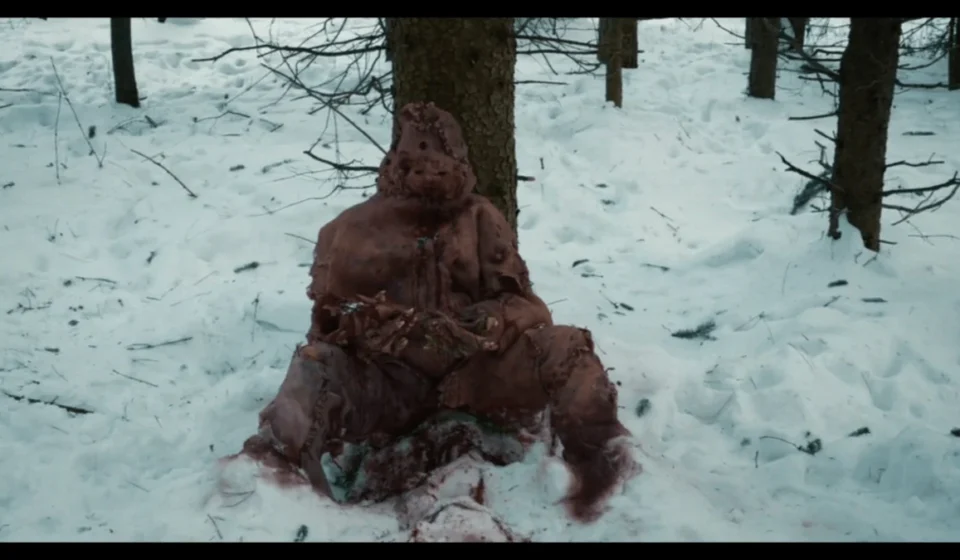
- The Catalyst: The initial reports of "contaminated" water and missing animals create an atmosphere of localized concern. The cinematography utilizes the stark contrast of crimson blood against the pristine white snow, a visual motif that recurs throughout the film to signify the violation of the town’s peace.
- The Escalation: As Deb and her deputy, Mikey (Zelda Adams), attempt to investigate the phenomena, the film introduces the "strange." The interactions between the townsfolk become increasingly disjointed, and conspiracy theories begin to circulate like wildfire, with characters offering wildly divergent and often absurd explanations for the horrors unfolding around them.
- The Climax of Confusion: The final act sees the boundary between the living and the dead completely dissolve. Deb’s attempts to use her sidearm to restore order serve as a poignant, desperate contrast to the overwhelming supernatural force she is fighting. She is not a hero of action, but a woman trying to perform her duty in a world that has ceased to make sense.
Supporting Data: Character Dynamics and Artistic Choices
The Adams Family has always prioritized character-driven horror, and The Glorious Dead is no exception. The supporting cast adds layers of tragedy and absurdity to the proceedings. Zelda Adams shines as Deputy Mikey, capturing the wide-eyed terror of a law enforcement officer who realizes that her training has left her entirely unprepared for an existential threat.
Judith Roberts delivers a chillingly detached performance as Carol, Deb’s mother. Her character, potentially suffering from senility, serves as a dark mirror to the chaos outside; while the town tears itself apart, she remains blissfully—or perhaps maliciously—oblivious. John Adams himself appears as the late Hank, Deb’s husband, a specter whose hidden secrets seem to be the buried rot from which the town’s nightmare grows.
The aesthetic of the film is bolstered by the soundtrack, composed by the family’s own band, H6llb6nd6r. The score is jarring, discordant, and intentionally unhinged, acting as a sonic representation of the town’s mental degradation. The sound design ensures that every groan of the floorboards and every gust of wind feels like a threat, amplifying the isolation of the setting.
Official Perspectives and Behind-the-Scenes Vision
While the Adams family has been tight-lipped regarding the specific "reasons" behind the town’s affliction, they have noted in previous interviews that their collaborative process is rooted in organic exploration. By refusing to provide a neat, expository resolution, they force the audience to participate in the narrative.
In the context of FrightFest discussions, the directors highlighted their interest in the "Fargo-esque" nature of their protagonist. They wanted to capture the essence of a law enforcement official who is "good at their job" but fundamentally ill-equipped to combat the inexplicable. The film is a study in the failure of institutions when faced with the impossible. The grotesque creature designs, which emerge in the latter half of the film, were crafted with a tactile, practical-effects approach that distinguishes them from the slick, CGI-laden monsters typical of modern horror.
![‘The Glorious Dead’ Review: Another Bizarre and Memorable Mystery From The Adams Family [FrightFest]](https://www.dreadcentral.com/cdn-cgi/image/width=788%2Cheight=444%2Cfit=crop%2Cquality=75%2Cgravity=auto%2Csharpen=1%2Cmetadata=none%2Cformat=auto%2Conerror=redirect/wp-content/uploads/2026/07/The-Glorious-Dead-1.jpg)
Implications: The Horror of the Unexplained
The Glorious Dead is not just a film about monsters; it is a film about the frustration of the unknown. By leaving the causes of the carnage ambiguous, the Adams family challenges the viewer to confront their own need for closure. In a cinematic landscape saturated with franchises that explain every origin story, The Glorious Dead stands as a defiant outlier.
Thematic Significance
- The Fragility of Order: Through Sheriff Deb, the film questions the utility of law and order in the face of natural or supernatural catastrophe.
- The Weight of History: The character of the late husband, Hank, implies that the town’s current suffering is a direct consequence of the past—a recurring theme in the Adams family’s filmography.
- Isolation: The setting of a snow-filled town is more than just a backdrop; it is a character that cuts off the protagonists from the outside world, making their struggle feel intimate and inescapable.
A Legacy of Independent Innovation
With The Glorious Dead, the Adams family continues to solidify their reputation as the premier "DIY" horror auteurs of the modern era. They occupy a unique space in the industry, proving that limited budgets do not necessitate limited imagination. By leaning into their strengths—strong familial chemistry, practical effects, and a commitment to surrealist storytelling—they have created a film that is destined to be discussed and dissected long after the credits roll.
For fans of the Adams family, this film is a culmination of the themes they have explored throughout their career: the blurring of the domestic and the demonic, the pain of buried secrets, and the inherent loneliness of the human experience. It is a bold, uncompromising, and deeply unnerving piece of cinema that reaffirms why they are among the most exciting voices working in the genre today.
In conclusion, The Glorious Dead is a triumph of atmosphere over exposition. It invites the audience to walk through the snow-filled streets of its doomed town and witness the collapse of reality. It is not an easy watch, nor is it a comfortable one, but it is a masterclass in how to build a mystery that lingers in the mind, echoing like a scream in an empty, frozen forest. As the film concludes, leaving more questions than answers, one cannot help but admire the audacity of a work that is content to let the mystery remain, forever, in the cold.