
When the second season of Citadel returned to screens, it brought with it a heightened sense of scale and visceral, high-octane action. Behind the scenes, the visual effects team at DNEG, led by VFX Supervisor Daniel Baldwin, faced the challenge of balancing large-scale digital destruction with grounded, "invisible" effects that preserved the emotional core of the performances. By bridging the gap between practical, on-set reality and complex Houdini-based simulations, DNEG helped define the aesthetic identity of the show’s sophomore outing.
The Foundation of Realism: Early Integration
The success of Citadel Season 2’s visual landscape began long before the first frame of post-production. DNEG’s involvement was initiated at the very start of the development cycle, allowing for a collaborative relationship between the studio and Production Supervisor Wesley Froud. This early partnership proved crucial, as it allowed the VFX team to influence on-set practices, ensuring that the digital work would be supported by authentic, high-quality physical references.
Baldwin emphasizes that this pre-production planning was not just about logistics but about creative integrity. By attending shoots for critical sequences—such as the complex car crash and the data acquisition for the full-CG Frankfurt environment—the DNEG team ensured they had the precise HDRIs, LiDAR scans, and material references necessary to create a seamless final product. This proactive approach allowed the team to capture real-world lighting and physics that served as the bedrock for their digital simulations.
Chronology of Technical Challenges
The season’s visual narrative was punctuated by a series of technically demanding sequences, each requiring a bespoke approach to solve specific storytelling hurdles.
The Burning Man: A Study in Restraint
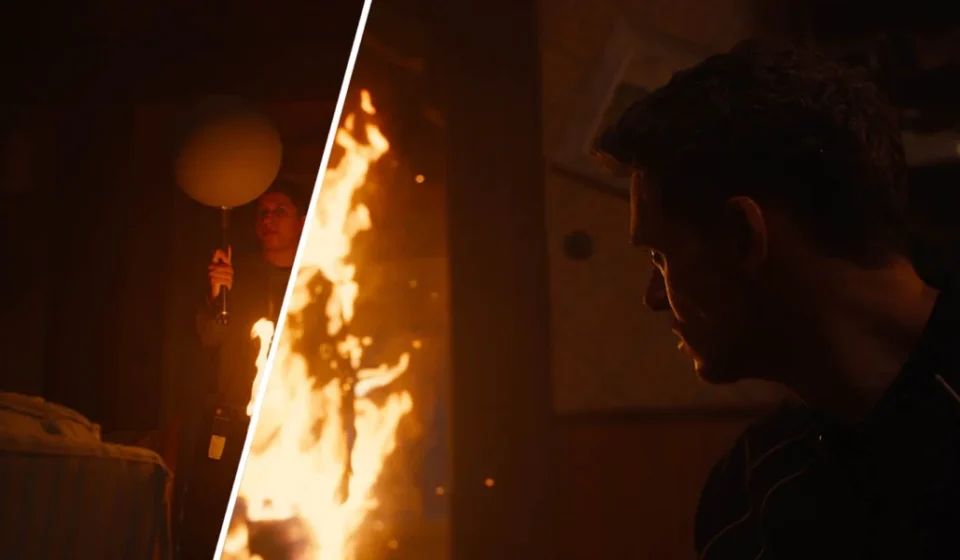
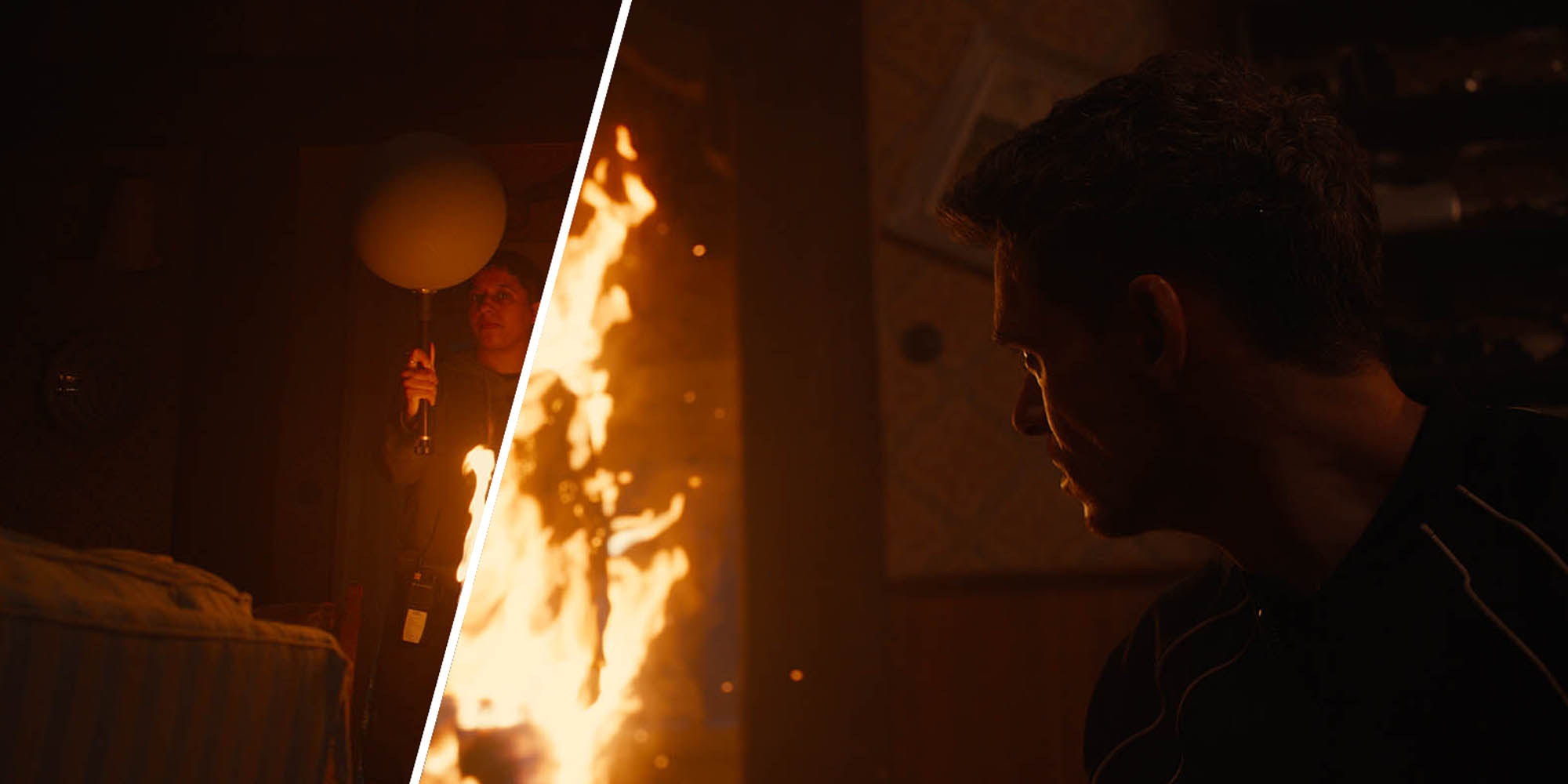
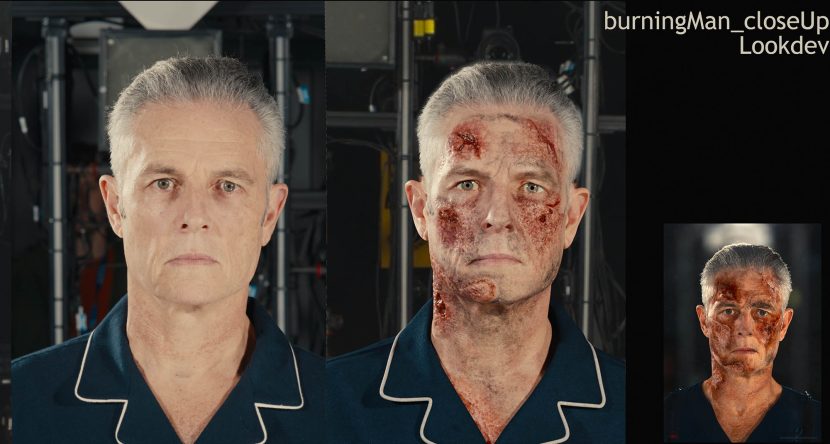
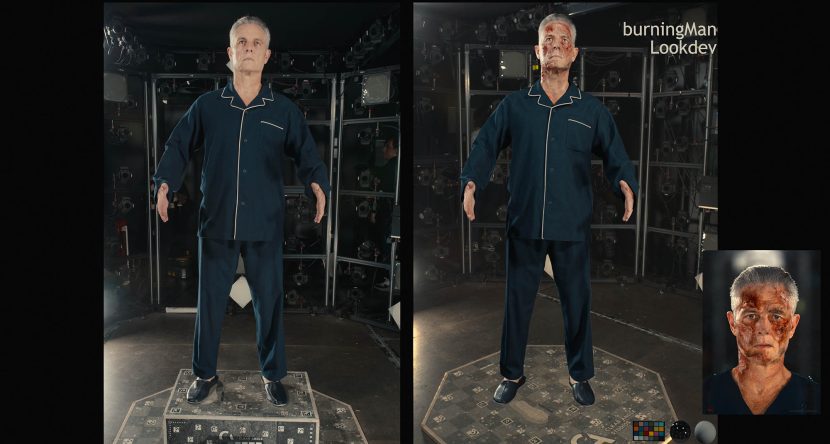
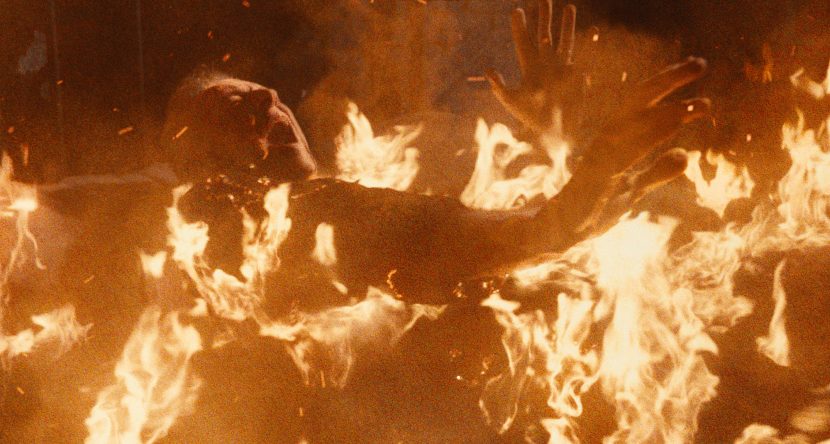
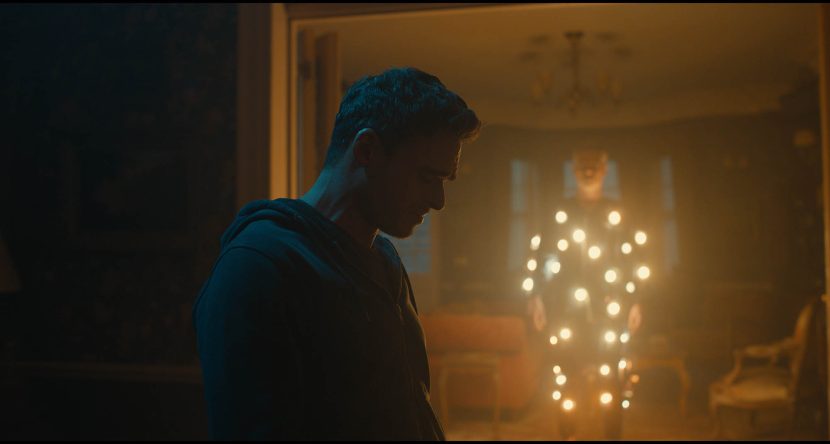
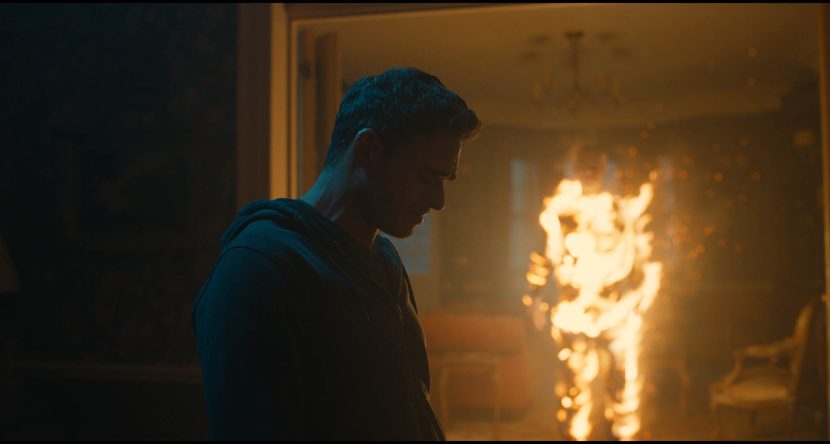
One of the most emotionally charged sequences involved a character engulfed in flames. The team’s objective was to portray a tragic moment without compromising the actor’s performance. Rather than relying on a full CG replacement of the actor’s head, the team utilized a combination of practical flame reference, LED lighting suits, and additive digital effects.
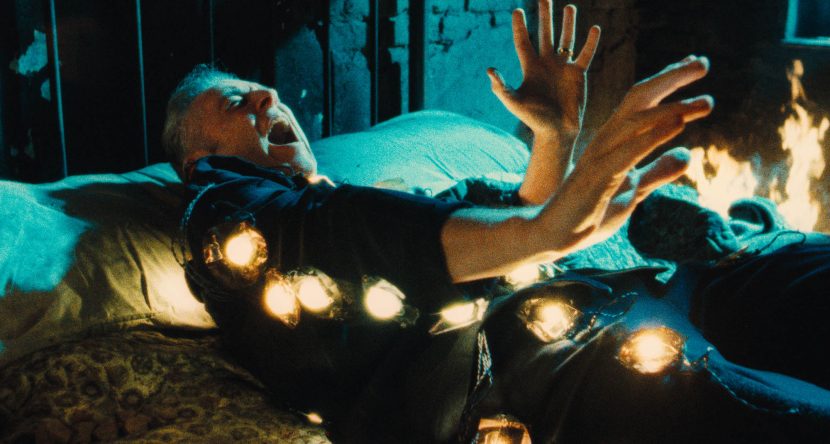
The process involved extensive testing with mannequins in the specific costume to understand how the fabric would singe and burn, and how smoke and embers would interact with the environment. By carefully tracking these effects onto the actor’s performance, DNEG managed to enhance the drama while respecting the emotional weight of the scene. The wounds and scarring were treated as digital matte painting (DMP) projections, tracked precisely to the actor’s movements, ensuring the visual impact remained grounded in the character’s reality.
The 80-Second Continuous Shot
Perhaps the most complex technical feat was an 80-second continuous sequence that demanded a flawless transition between a drone shot and a Steadicam take. Achieving this required more than just 2D compositing. Because the shots were captured under different lighting conditions and at different times of day, the team had to employ a 3D solution.
The DNEG team rebuilt the environment in CG and utilized a 2.5D projection setup on proxy geometry. For the actor’s movement, they performed subtle digital sculpts to ensure the transition from one take to the other was invisible, blending the cloth deformation and lighting seamlessly. The resulting shot, which moves from the exterior into the building, serves as a masterclass in modern digital stitching, where the "hand-off" is masked by a combination of environment reconstruction and clever lighting transitions.
The G8 Finale and Satellite Destruction
The season finale required a leap into science fiction, depicting a large-scale orbital event. To avoid the "generic sci-fi" aesthetic, DNEG relied on its proprietary Earth-rendering pipeline. The focus here was on visual credibility. While the physics of space dictate that explosions in a vacuum would not produce traditional fire, the filmmakers opted for a more cinematic approach, utilizing internal fuel as a justification for the pyrotechnics.
The simulation work maintained zero-gravity constraints, with debris continuing its trajectory at consistent velocities until caught by Earth’s gravity. This sequence successfully balanced the epic scale of a global event with the grounded, realistic look that defined the rest of the season.

Supporting Data: The Pipeline of Precision
The workflow behind these sequences highlights the industry’s shift toward proceduralism, balanced by traditional craft.
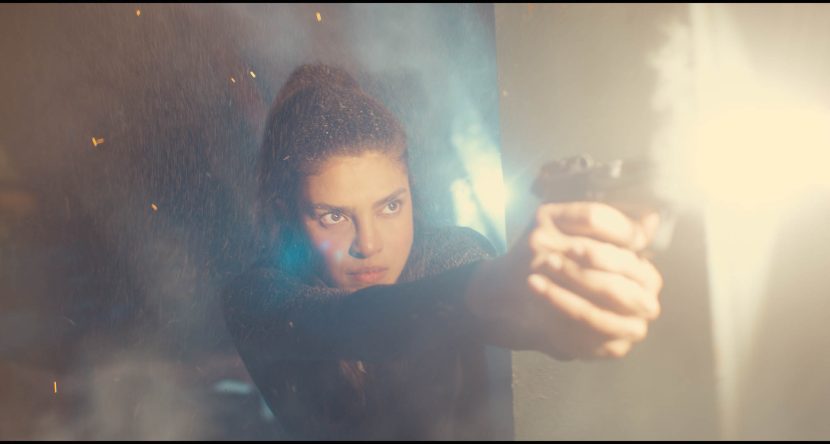
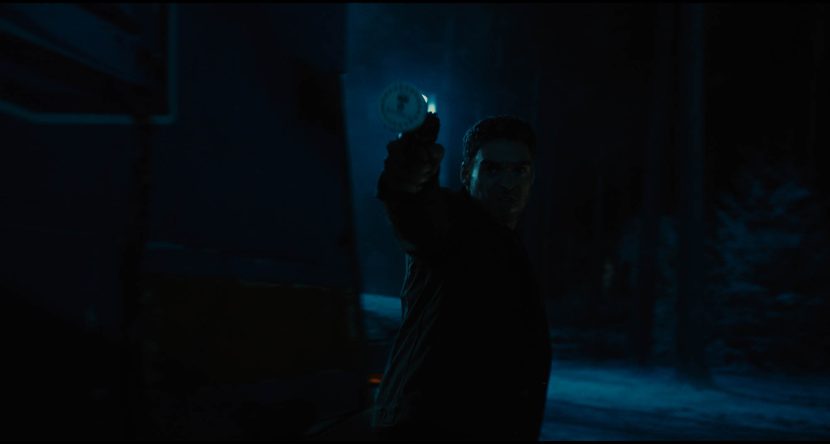
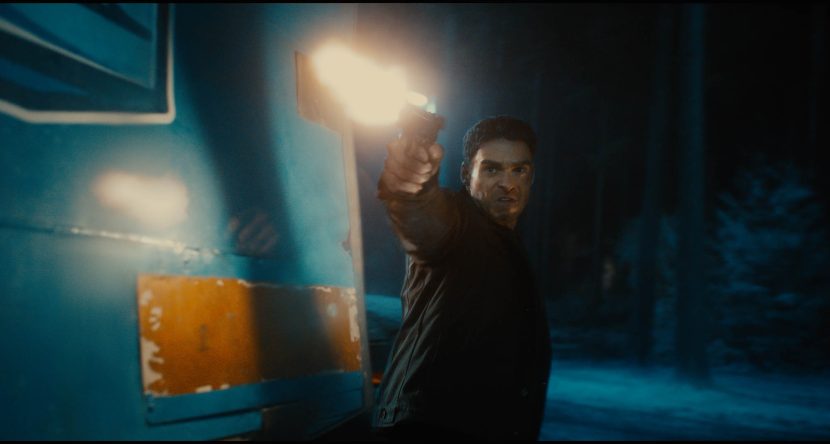
- Gunplay and Muzzle Flashes: DNEG maintained a hybrid pipeline for gunfire. While they possess an extensive library of 2D assets, the presence of 3D camera moves often necessitated procedural Houdini setups. When actors used weapons with LED lights on the barrel to create interactive lighting, the team had to perform "prep work" to remove the practical light, replace the gun with a CG asset, and composite the digital flash, ensuring the interactive lighting matched the virtual source.
- Digital Blood: The team avoided a "magic formula" for blood hits, instead treating every shot as a unique problem. Factors such as camera proximity, the importance of the character, and the duration of the shot dictated whether 2D elements or bespoke Houdini fluid simulations were used.
- Vehicle Physics: For the major car crash, the team eschewed stunt work in favor of a full CG simulation based on real-world crash-test footage. This allowed for perfect control over mass, suspension, and deformation—elements that, if handled poorly, immediately alert the audience to a digital fake.
Official Responses and Creative Philosophy
Reflecting on the project, Daniel Baldwin noted that the primary challenge was never the schedule, but the filmmaker’s desire for authenticity. The collaboration between the production team—led by Froud and VFX Producer Lisa Kelly—and DNEG provided the necessary time to iterate and refine.
"We understood the emotional importance of the character," Baldwin explained regarding the "burning man" sequence. "We didn’t want the audience to be taken out of the moment by a technical flaw. The goal was always realism, not over-the-top spectacle." This philosophy permeates the entire season: the VFX are intended to be a silent partner to the narrative, providing the necessary scale without drawing attention to their own artificiality.
Implications for Future Episodic Television
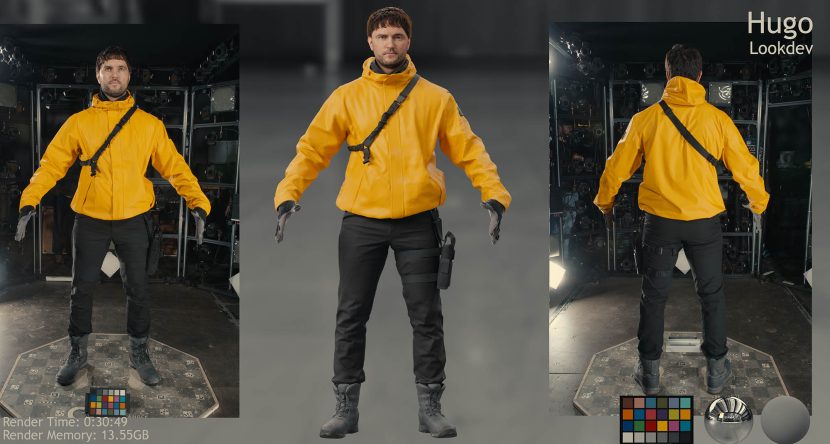
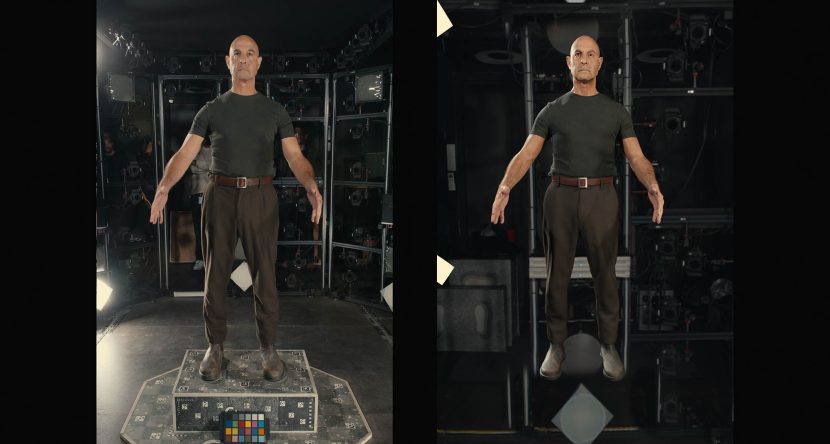
The work on Citadel Season 2 signals an ongoing evolution in episodic visual effects. As the line between feature-film and television budgets continues to blur, the ability of studios like DNEG to implement high-end film pipelines—such as full-body scanning, LiDAR data acquisition, and complex CFD (Computational Fluid Dynamics) simulations—is becoming the standard.
Furthermore, the "invisible" nature of the work on Citadel suggests a maturation of the medium. Rather than using CG as a crutch for poor practical planning, the production utilized it to enhance, fix, and bridge gaps that were physically impossible or dangerous to achieve. This level of craftsmanship ensures that the audience remains immersed in the story.
By prioritizing character performance and narrative beats over pure technical showboating, the Citadel team has demonstrated that the future of digital spectacle lies in the seamless integration of the real and the imagined. The season stands as a testament to the fact that the most impressive visual effects are often those the audience never realizes are there at all.