The Resurrection of a Downtown Legend: How No Picnic Captured the Soul of a Vanishing New York

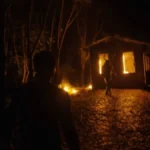
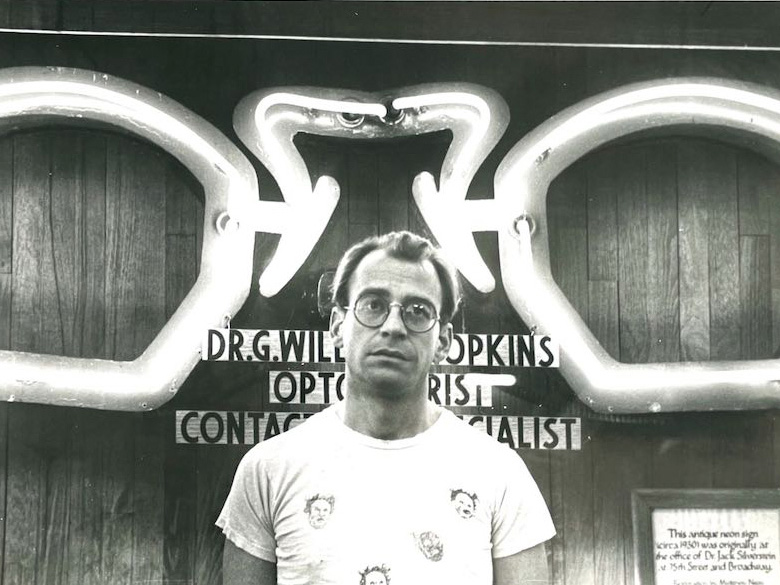
In the pantheon of New York City independent cinema, few films have experienced a trajectory as improbable or as revelatory as Phil Hartman’s 1986 feature, No Picnic. A gritty, noir-inflected “shaggy-dog” comedy, the film serves as a kinetic, black-and-white love letter to a Lower East Side that has long since been polished away by the relentless march of gentrification. After spending nearly four decades in the shadows—largely relegated to VHS tapes and the private collection of a beloved downtown pizza chain—No Picnic has suddenly emerged as a cultural phenomenon, drawing sold-out crowds and outperforming legendary classics at the box office.
A Product of the Bohemian Crucible
The story of No Picnic begins not in a boardroom, but behind the counter of the Great Jones Cafe, a Cajun-inspired NoHo institution that served as the financial engine for Phil Hartman’s creative ambitions. In 1985, fueled by the profits of the cafe he co-founded, Hartman set out to capture the volatile energy of his neighborhood.
Collaborating with the experimental filmmaker and cinematographer Peter Hutton, Hartman aimed to document a landscape that he knew was on the precipice of extinction. The film is an episodic, ethnographic ramble through the Lower East Side—a neighborhood that, even in the mid-80s, was already being aggressively rebranded as "the East Village" by real estate developers looking to sanitize its radical reputation.
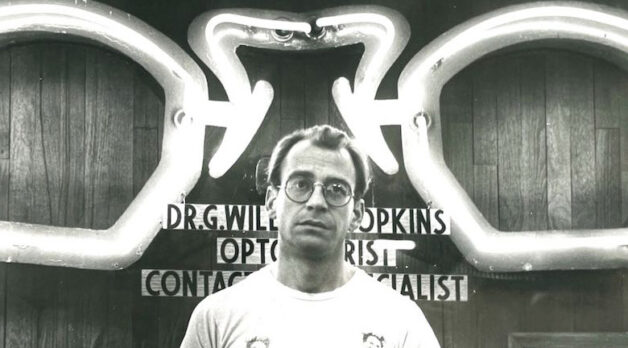
The production was a shoestring affair, supported in its final stages by Wim Wenders’s New York–based production company, Gray City Films, and financed through the burgeoning success of Hartman’s second business venture, Two Boots Pizza. The film features a cast of characters who would go on to define the downtown scene, including cameos from Luis Guzmán, Steve Buscemi, and filmmaker Lewis Klahr, all anchored by the presence of the legendary musician Richard Hell.
Chronology of a Lost Classic
The film’s history is a map of New York’s independent film infrastructure:
- 1986–1987: No Picnic is filmed on lustrous 16mm black-and-white stock. It premieres at the Sundance Film Festival, where it earns a prestigious cinematography award.
- 1990: After a failed attempt by Gray City Films to purchase and revive the St. Mark’s Cinema, the film finds its natural home at Anthology Film Archives. A rave review from Manohla Dargis in The Village Voice propels the film to a record-setting six-week run.
- 1991–2024: The film enters a long hibernation. As Hartman pivots toward the expansion of the Two Boots empire—which eventually included the Pioneer Theater, a 99-seat repertory hub—No Picnic becomes a cult artifact, available primarily via VHS and DVD on the shelves of the Two Boots Video Store.
- 2025: A serendipitous convergence occurs. Archivist Mary Engel, daughter of The Little Fugitive directors Morris Engel and Ruth Orkin, introduces Hartman to programmer Jake Perlin of The Film Desk. Recognizing the film’s historical weight, Perlin spearheads a digital restoration.
- January 2026: The restored No Picnic premieres at the Museum of Modern Art’s "To Save and Project" series, receiving a rapturous response from a packed house.
- April 2026: Following a successful push by repertory programmers, the film opens at Film Forum, sparking a theatrical run that evolves into a surprise commercial juggernaut.
The Economics of Nostalgia: Supporting Data
The commercial performance of No Picnic at Film Forum provides a fascinating case study in the power of repertory programming. Opening on April 17, 2026, with a modest two screenings per day, the film immediately defied expectations. It emerged as the theater’s top-grossing film for two consecutive weeks, accumulating over $50,000 in its first 21 days.
By the end of its twelve-week run, the film had grossed a staggering $123,000. To put that figure in context, it surpassed the total earnings of some of cinema’s most towering works during their own repertory runs at the same venue, including Federico Fellini’s 8½ ($120,000) and Akira Kurosawa’s The Seven Samurai ($103,000).
This success was not merely a result of cinephile curiosity; it was sustained by a demographic shift. According to Hartman, the audience began as a cohort of peers—people who had lived through the 1980s downtown scene—but rapidly skewed younger, as Gen Z and Millennial audiences flocked to the film to gain a tactile understanding of a New York they had only heard about in myths.
Official Responses and Creative Reflection
The film’s resurgence has been met with enthusiasm from critics and industry veterans alike. Manohla Dargis, whose 1990 review was instrumental in the film’s original success, noted that the film’s themes remain evergreen. "The film speaks to the familiar, relatable issue of affordability," Dargis remarked, highlighting the struggle of young artists to find a foothold in an increasingly expensive city.
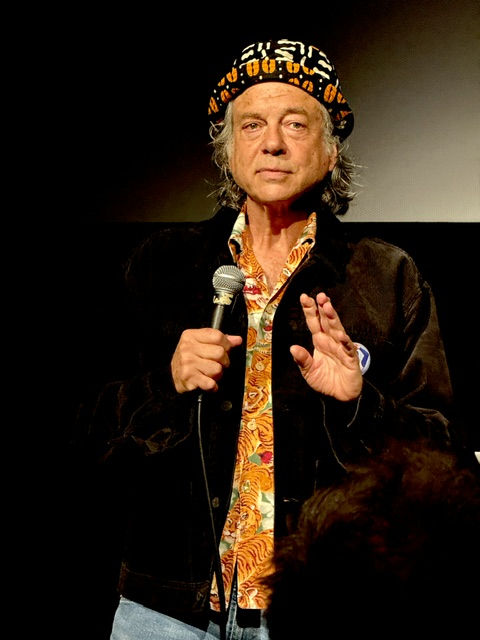
Producer Christine Vachon, who served as an uncredited assistant sound editor on the film, suggests that the movie functions as a "perfect time capsule that, in a funny way, has folded back onto this time." The film’s ability to capture the "terroir" of the East Village—the rubble, the empty lots, and the sense of impending loss—has resonated with a new generation of filmmakers like Meg Aubry. For Aubry, No Picnic is more than a movie; it is "an education in New York culture," providing a "ride-along" experience that is as humorous as it is poignant.
David Brisbin, who stars as the film’s lead, "Mac," observes the cycle of fascination: "Young people in the East Village now have a sense they missed something and want to know what that time was like. Old folks like me like to remember their youth."
Implications: The Enduring Power of Independent Vision
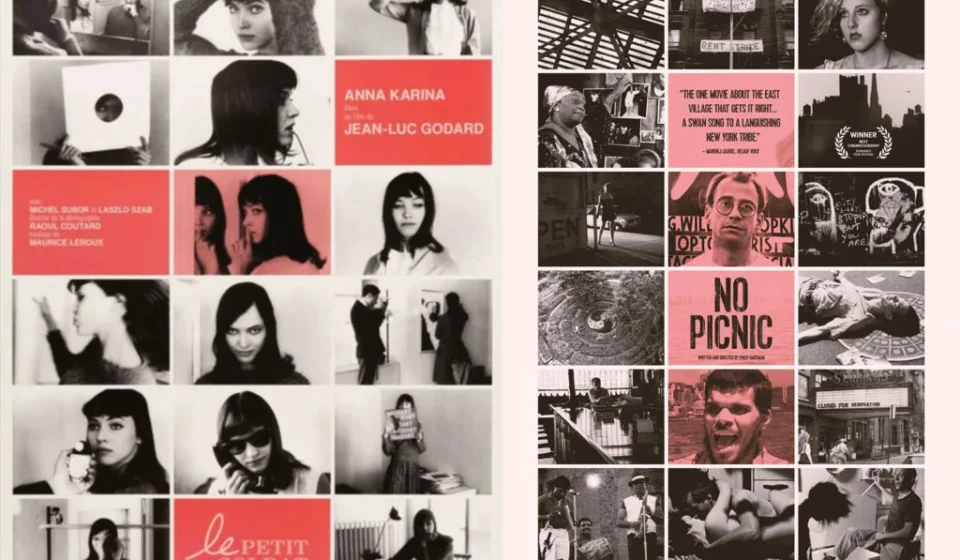
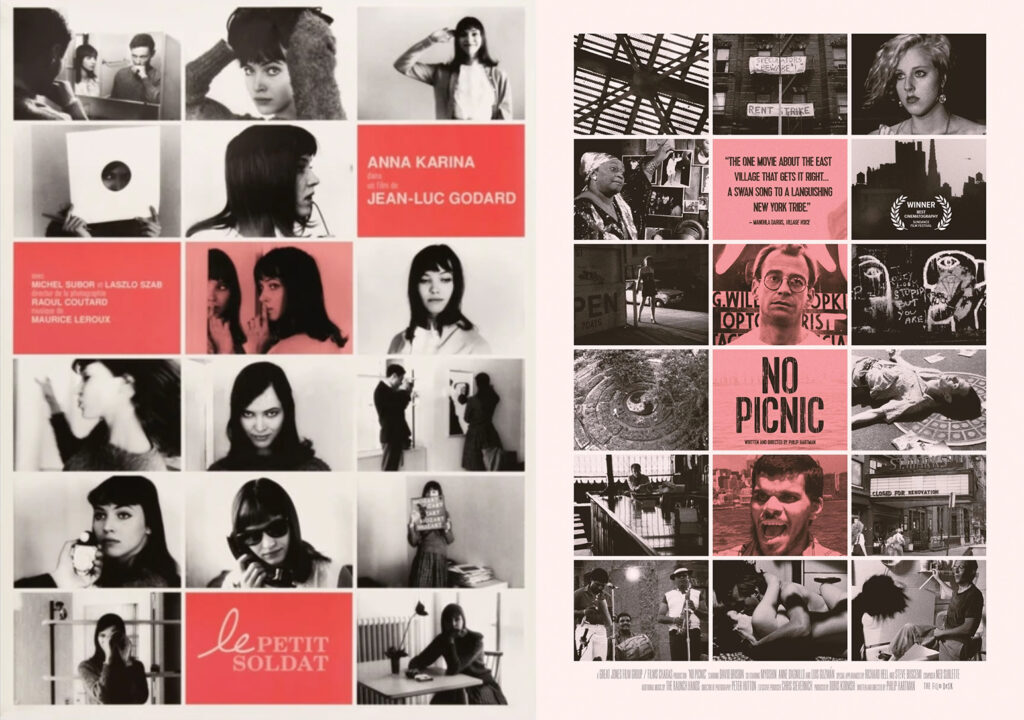
The success of No Picnic holds significant implications for the future of repertory cinema and independent film distribution. It proves that there is a viable, hungry market for "forgotten" works that provide a genuine sense of place and historical context. The Film Desk’s strategy—combining a visually arresting trailer, a stylized marketing campaign inspired by Godard’s The Little Soldier, and the personal, grassroots engagement of the filmmaker—has created a template for bringing neglected classics back to the screen.
Furthermore, the film serves as a rebuttal to the idea that independent films have a short shelf life. By allowing No Picnic to "ferment" for nearly four decades, Hartman unintentionally created a work that gained value as the city around it changed.
As the credits roll on No Picnic, the audience is left with the haunting, contradictory mantra delivered by Mac: "The more things change, the more they stay the same. Fuck the French… the more things change, the more they change." It is a sentiment that captures the essence of New York City—a place that is constantly being destroyed and reborn, where the only thing that remains consistent is the struggle to live a creative life within the friction of the city.
In the final assessment, No Picnic is not merely a document of a bygone era; it is a vital, breathing piece of art that reminds us that while the geography of a neighborhood may shift, the human desire for community, art, and affordability is a permanent feature of the urban landscape. Phil Hartman’s decision to keep his film a secret for forty years has, in hindsight, proven to be a stroke of marketing genius—and a gift to the city of New York.