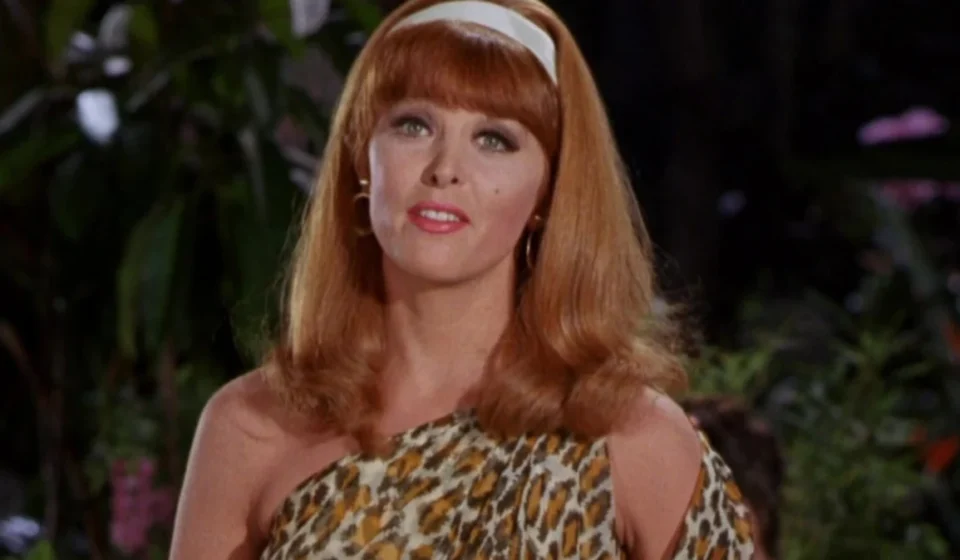
Beyond the Island: How Tina Louise Found a Defining Role in the Chilling World of ‘The Stepford Wives’

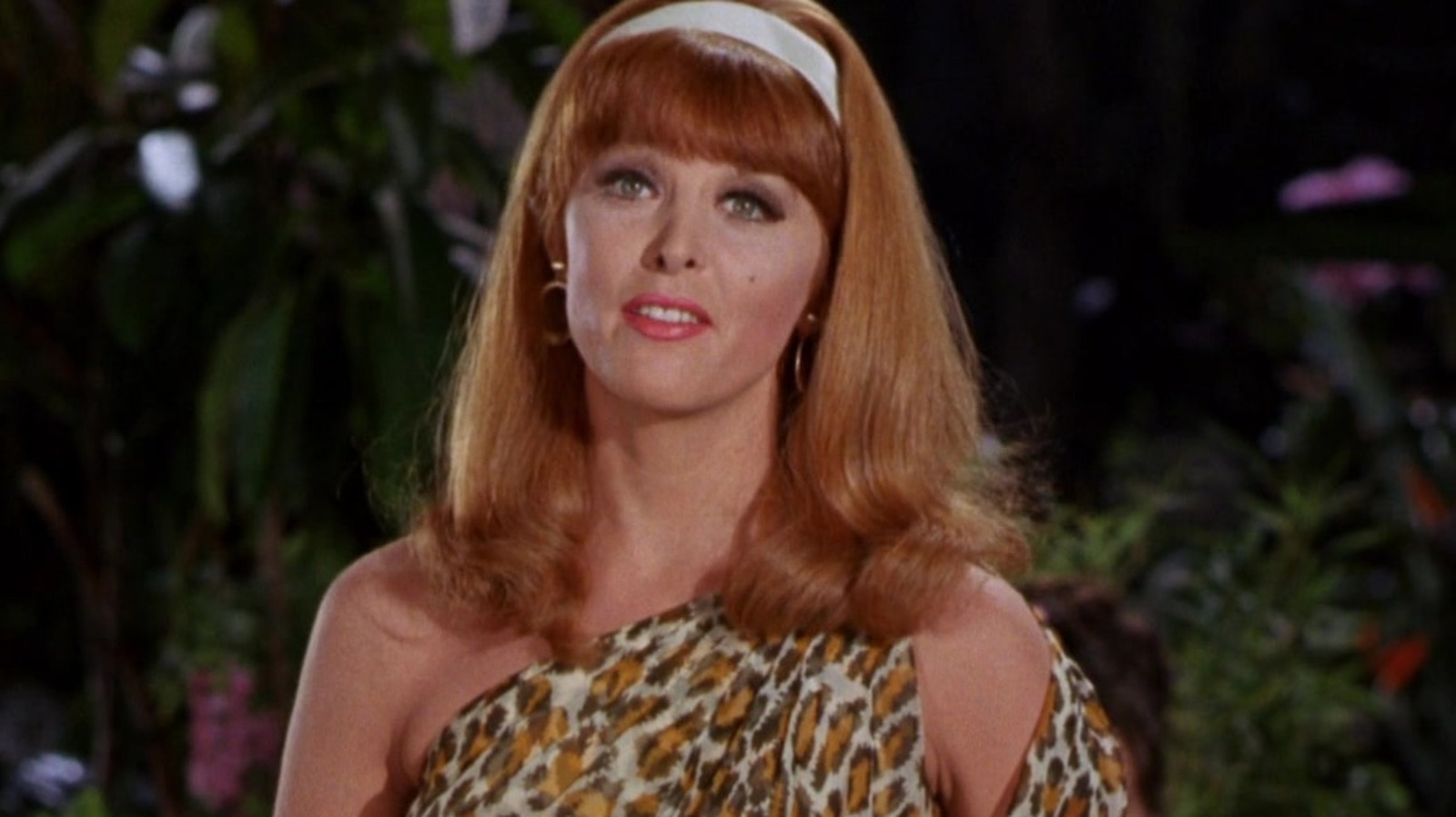
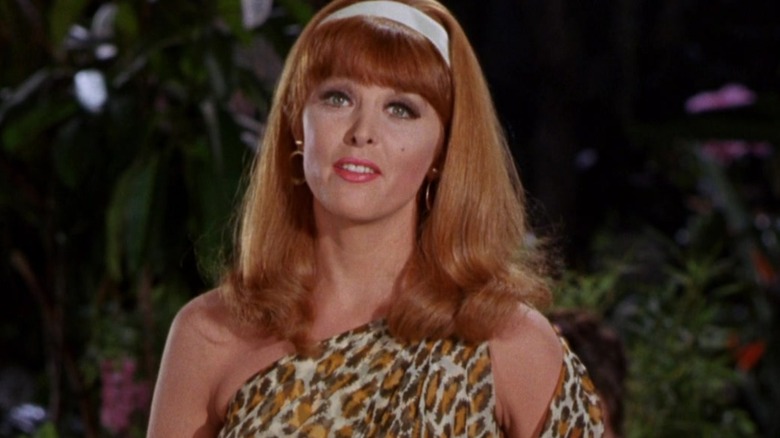
For decades, the public narrative surrounding Tina Louise was tethered to a single, iconic image: the glamorous, red-headed starlet of the 1960s sitcom Gilligan’s Island. As Ginger Grant, Louise became a fixture of American television, yet her career trajectory following the show’s 1967 conclusion was frequently mischaracterized by the press and the public alike. For years, rumors persisted that Louise harbored a deep-seated resentment toward the show and her castmates, citing her absence from various reunion specials and fan conventions as evidence of a scorched-earth departure.
However, the reality of Louise’s post-Gilligan career was far more nuanced. It was not a rejection of her past, but an aggressive pursuit of artistic diversity. Far from being a one-note performer, Louise spent the 1970s intentionally avoiding the "typecast" trap, leading her to one of the most significant and chilling roles of the decade: the doomed Charmaine in the 1975 sci-fi horror masterpiece, The Stepford Wives.
The Myth of the Disgruntled Star
The long-standing speculation that Tina Louise "hated" her time on Gilligan’s Island was finally dismantled in 2020. In interviews clarifying her professional history, Louise emphasized that she held no animosity toward the production or the character of Ginger. Instead, her decision to distance herself from the show’s legacy was a strategic career move.
After the sitcom ended, Louise was eager to demonstrate her range as an actress, fearing that the shadow of Ginger would obscure her dramatic capabilities. She successfully pivoted into a wide array of projects, proving her versatility across genres. Her resume in the late 60s and 70s included guest appearances on heavy-hitting television dramas such as Bonanza, Ironside, Mannix, and Kojak, as well as a recurring role in the police procedural CHiPs and a lead position in the soap opera Rituals. On the big screen, she appeared in the final Matt Helm spy adventure, The Wrecking Crew (1968), alongside Dean Martin. By diversifying her work, Louise was actively fighting against the limitations placed upon sitcom stars, a battle that eventually led her to the suburbs of Stepford.
A Chronology of Subversion
The 1970s were a pivotal era for science fiction and horror, as the genre began to reflect the anxieties of a changing social landscape. When The Stepford Wives was released in 1975, it hit a cultural nerve that still vibrates today.
1972: The Source Material
The film was adapted from the 1972 novel by Ira Levin, a master of psychological horror. Levin’s work explored the friction between the traditional patriarchal structure and the rising tide of second-wave feminism.
1975: The Cinematic Debut
Directed by Bryan Forbes, the film starred Katharine Ross as Joanna Eberhart, a photographer who moves to the idyllic community of Stepford, Connecticut. She soon discovers that the town’s women are unnervingly submissive. Alongside her ally Bobbie (Paula Prentiss), Joanna finds a third member of their circle: Charmaine, played by Tina Louise.
1975–1980: The Rise of the Franchise
Following the film’s critical success and its growing status as a "cult classic," the concept of "Stepford" entered the common vernacular. This led to a series of sequels and television films, including Revenge of the Stepford Wives (1980), The Stepford Children (1987), and The Stepford Husbands (1996), though none managed to capture the cold, clinical terror of the original.
Supporting Data: The Anatomy of a Cult Classic
The Stepford Wives is not merely a horror film; it is a sociological document. The premise—that men are replacing their wives with robotic, compliant replicas—served as a potent metaphor for the backlash against the Women’s Liberation Movement.
The narrative arc of the film relies on the audience’s realization that the "perfection" of the Stepford women is artificial. Charmaine, Louise’s character, is the pivot point for this horror. When we first meet her, she is a vibrant, opinionated woman, active in the fight for female autonomy. However, after a brief, suspicious vacation with her husband, she returns completely "fixed." Her transformation into a docile, housework-obsessed shell serves as the primary catalyst for Joanna’s descent into paranoia.
The film’s effectiveness lies in its restraint. It does not rely on gore; it relies on the erasure of personality. By casting a recognizable, glamorous face like Tina Louise as one of the "converted," the film underscored the tragedy of the situation: that even a woman who seemed to embody independence could be stripped of her agency and turned into a domestic appliance.
Official Responses and Cultural Impact
Critics of the era praised The Stepford Wives for its ability to marry science fiction with grounded, domestic terror. It was a film that forced audiences to examine the silent, often invisible power dynamics within their own marriages.
The film’s legacy has been long-lasting. In the decades since its release, the "Stepford" archetype has been referenced in everything from The Simpsons to contemporary psychological thrillers. Its influence is perhaps most visible in modern films like Jordan Peele’s Get Out (2017) and Olivia Wilde’s Don’t Worry Darling (2022). Both films adopt the "Stepford" template—a protagonist entering a seemingly perfect environment only to discover a sinister, controlling force—to address modern anxieties about race, gender, and societal control.
In 2004, the property saw a high-profile, albeit divisive, remake directed by Frank Oz. While the 2004 version shifted the tone toward a dark, campy satire—starring Nicole Kidman and Bette Midler—it highlighted how difficult it is to replicate the specific, somber tension of the 1975 original. Most film historians and genre enthusiasts maintain that the original remains the superior, more chilling piece of cinema.
Implications: The Enduring Relevance of Stepford
Why does The Stepford Wives continue to be so salient? The implication of the story is that the "Stepford" mentality is not a relic of the 1970s, but a persistent impulse in patriarchal structures. The film poses a terrifying question: if a man cannot control a woman, will he attempt to replace her with someone—or something—he can?
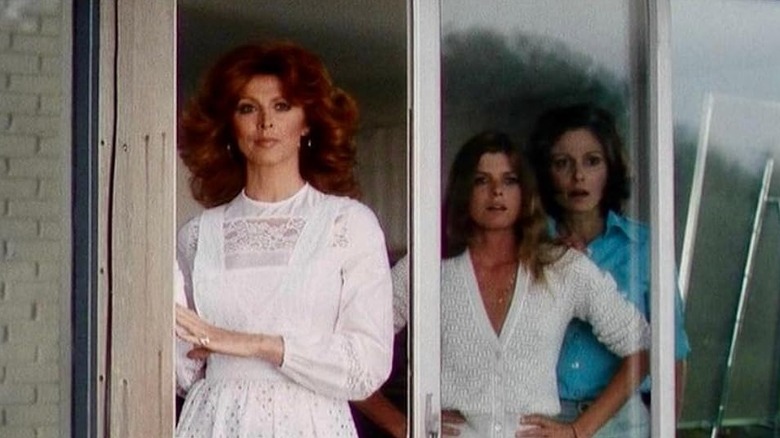
For Tina Louise, the role of Charmaine was more than just another credit on a long list. It was a declaration. By choosing to play a woman whose identity is forcibly overwritten, Louise subverted her own public image as a "glamour icon." She proved that she could inhabit roles that were intellectually challenging and socially significant.
As we look back at the cinematic landscape of the 1970s, The Stepford Wives stands out as a foundational text. It reminds us that horror is most effective when it mirrors reality, and that the true monsters are often not creatures from outer space, but the people who would rather live in a world of puppets than in a world of equals. Tina Louise, by stepping into the world of Stepford, helped cement that message, ensuring that the legacy of her career extends far beyond the sands of a deserted island.