Shaun the Sheep’s Spooky Evolution: Inside the Production of ‘The Beast of Mossy Bottom’

For over half a century, Aardman Animations has stood as the gold standard for stop-motion excellence. From the clay-caked charm of Wallace & Gromit to the high-stakes thrills of Chicken Run, the Bristol-based studio has defined the aesthetic of British animation. Now, as the studio prepares for the September 18, 2026, release of Shaun the Sheep: The Beast of Mossy Bottom, they are set to push their most iconic ovine character into uncharted territory: the realm of the creature feature.
In a recent exclusive set visit to Aardman’s Bristol headquarters, we pulled back the curtain on this ambitious project. We explored the workshops, spoke with the visionaries behind the lens, and uncovered how the studio is balancing its signature whimsical humor with the gothic sensibilities of classic horror.
The Main Facts: A New Chapter for Mossy Bottom
Shaun the Sheep: The Beast of Mossy Bottom serves as the third feature film in the Shaun the Sheep franchise. While the series has always flirted with high-concept scenarios, this installment marks a significant tonal shift.
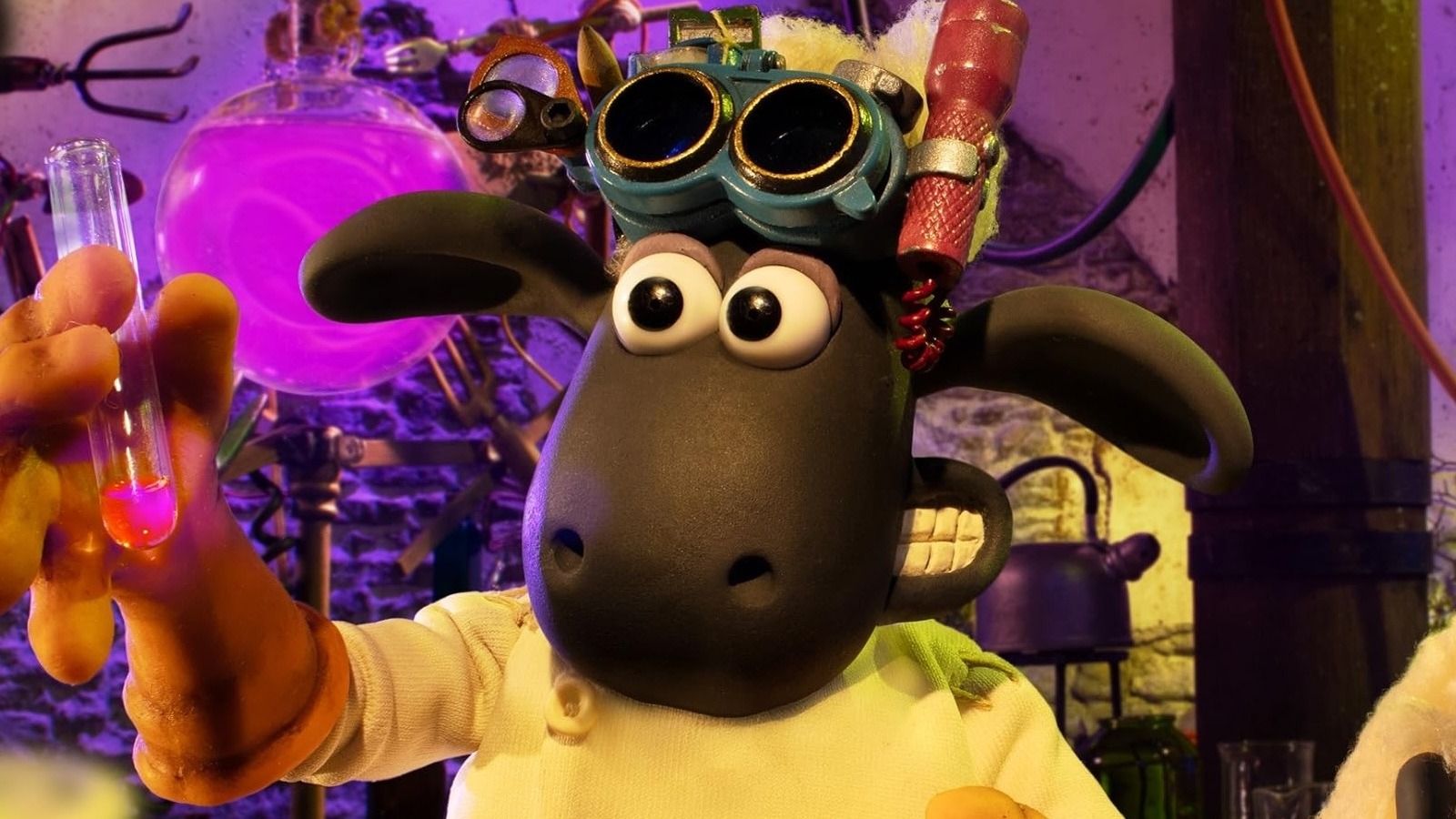
The plot centers on a Halloween-tide disaster: the Farmer accidentally destroys the sheep’s cherished pumpkin patch. In a desperate attempt to rectify the situation, Shaun inadvertently adopts the role of a "mad scientist." His experiments to salvage the harvest go awry, triggering the arrival of a mysterious, titular beast that begins terrorizing the woods of Mossingham.
Distributed by GKIDS in the United States, the film is designed to be a "gateway horror" experience. It aims to introduce younger audiences to the tropes of the genre—spooky windmills, mad scientists, and mysterious monsters—without sacrificing the slapstick comedy and warmth that have made the franchise a global phenomenon.
Chronology: From Valentine’s Day to Halloween Horror
Interestingly, The Beast of Mossy Bottom did not begin its life as a spooky thriller. Directors Steve Cox and Matthew Walker revealed that the project initially originated as a Valentine’s Day special.
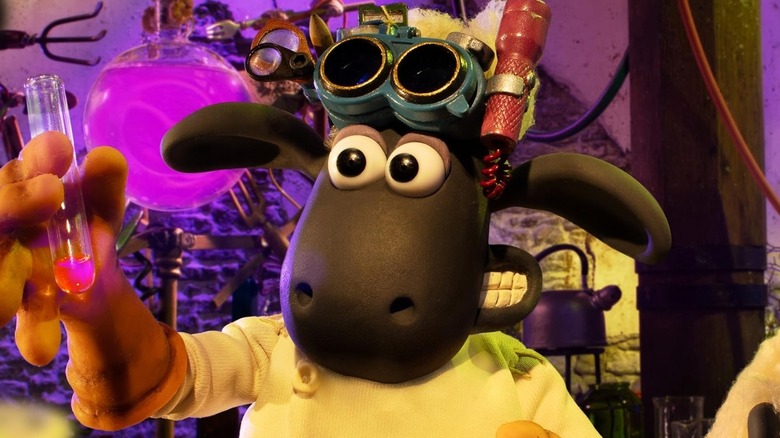
The original narrative focused heavily on the Farmer’s insecurities, specifically his growing anxiety over his thinning hair. In this early draft, the Farmer’s quest for vanity and romance was the primary driver of the plot. However, as the development process evolved, the team pivoted toward a Halloween-themed horror-comedy.
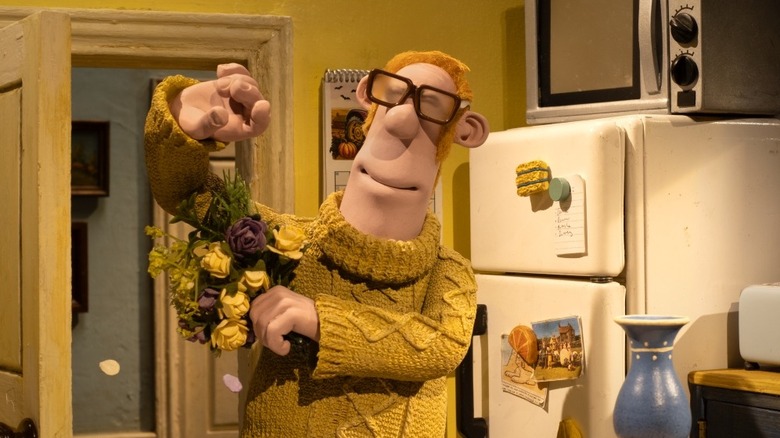
Despite this pivot, the core of the story remained intact. The Farmer’s desire to impress a new character—a local veterinarian—remains a central subplot. This romantic thread provides a grounded, human contrast to the supernatural, creature-feature antics unfolding in the woods. The transition from a romance-centric story to a horror-comedy required extensive rewrites, but the directors noted that the "mad scientist" arc for Shaun and the "grooming" arc for the Farmer ultimately meshed perfectly, creating a dual-layered narrative that keeps the stakes high for both the humans and the flock.
Supporting Data: The Craft of the "Hand-Made"
Aardman’s reputation is built on the visible "thumbprint" of its animators. In an industry increasingly dominated by slick, AI-generated imagery and cold digital rendering, The Beast of Mossy Bottom remains a bastion of physical craft.
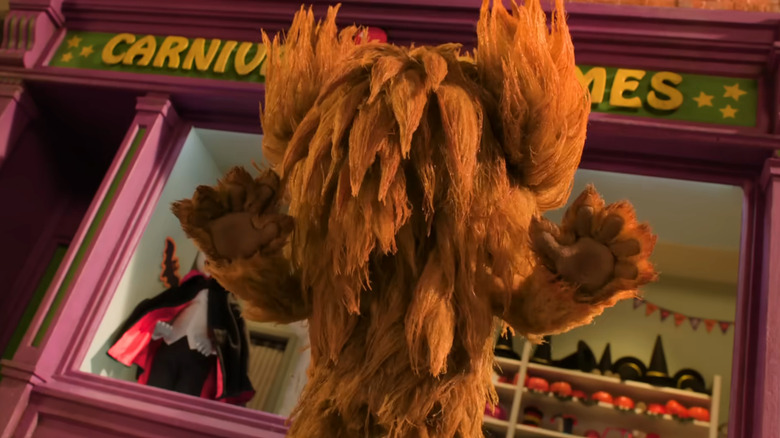
The Set Design and Practical Effects
During the set visit, it was clear that the production team spared no effort in creating an immersive, tactile world. The sets are not merely backgrounds; they are meticulously constructed dioramas.
- Gothic Inspiration: The team leaned heavily into the aesthetics of Hammer Horror and Universal Monsters. The windmill, for instance, was designed with a gothic sharpness that directly mirrors the iconic architecture seen in the 1931 Frankenstein.
- Lighting and Color Palette: To ensure the film remained family-friendly, the directors opted for a "Scooby-Doo" inspired color palette. While the sets evoke the darkness of horror, the lighting is saturated with neon purples, oranges, and greens. This "80s-inspired" aesthetic allows the film to feel spooky without feeling grim or oppressive.
- Physicality: The transformation sequences—a nod to classics like An American Werewolf in London—are achieved through practical puppet work and layers of carefully applied fur, maintaining that iconic "boil" (the slight, charming movement of the puppets between frames) that fans of Aardman adore.
The Human Element
The production involves hundreds of artists, from costume designers stitching tiny sweaters to prop makers crafting miniature chemistry sets. The studio’s dedication to traditional techniques is absolute, though they do utilize modern digital tools for "cleanup" and atmospheric effects, such as lightning and smoke. However, as director Matthew Walker emphasized, these digital tools are strictly used to supplement the physical work, ensuring the film never loses its organic feel.
Official Responses: The Philosophy of "Gateway Horror"
During our roundtable discussion, directors Steve Cox and Matthew Walker articulated the challenge of navigating the "scare" factor.
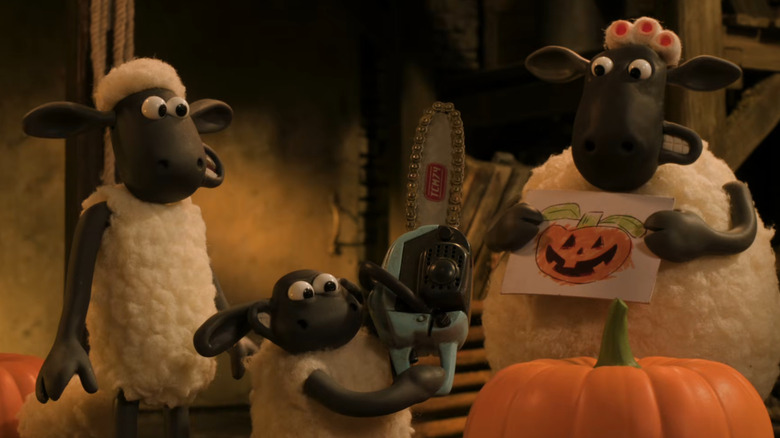
"The balance has been one of the trickiest elements of all of it," Cox admitted. "We want to make sure it was universal for all ages. So, we’re keeping the comedy. Whenever we have a scary moment, we always have a comedy moment immediately afterward to undercut that tension."
This philosophy of "undercutting" is central to the film’s pacing. By following a jump-scare or a tense atmosphere with a classic Aardman gag, the directors ensure that the audience is never left in a state of genuine fear.
Walker added, "We really wanted to lean into those horror tropes—the lightning, the mad scientist, the creature in the woods—but it’s important that it stays funny. It’s an homage to the films we grew up with, and we hope it introduces a new generation of kids to the fun side of being scared."
Implications: The Future of the Franchise
The Beast of Mossy Bottom represents a pivotal moment for Aardman. By successfully integrating genres, the studio is demonstrating that its intellectual properties are not static.
Expanding the Character Dynamics
For nearly two decades, the Shaun the Sheep franchise has relied on established power dynamics: the Farmer as the authority, Bitzer as the middle-manager, and Shaun as the clever orchestrator. The Beast of Mossy Bottom disrupts this by focusing on the flock’s internal relationships and the Farmer’s vulnerability.
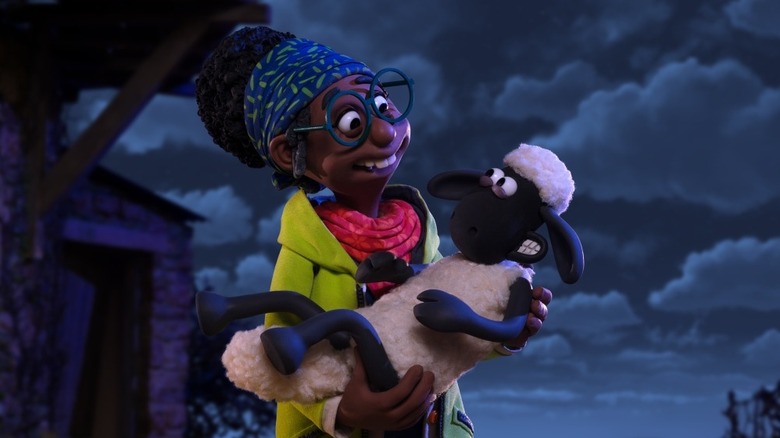
By introducing the Vet as a new romantic interest, the film adds a layer of social complexity to the Farmer’s character that hasn’t been explored previously. This development suggests that Aardman is willing to let its characters grow, age, and evolve, rather than keeping them trapped in a perpetual loop of slapstick gags.
A Stand Against the Digital Tide
Perhaps most significantly, this film serves as a mission statement for the future of stop-motion. At a time when major studios are rushing to integrate AI to reduce costs and streamline production, Aardman’s insistence on "hand-made" quality feels like an act of defiance.
By investing in the tactile, imperfect, and labor-intensive nature of stop-motion, Aardman is betting that audiences still crave the human connection inherent in the medium. The success of this film will likely signal to the rest of the industry that the "old-fashioned" way of making movies is not only viable but highly profitable and creatively superior.
Conclusion
As the production wraps and the final frames are captured in the Bristol studios, the excitement is palpable. Shaun the Sheep: The Beast of Mossy Bottom is shaping up to be more than just a sequel; it is a love letter to the history of horror cinema, a showcase of world-class animation, and a testament to the enduring power of a simple, well-told story. When the film hits theaters on September 18, 2026, it will undoubtedly remind audiences why Aardman remains the beating, plasticine heart of the animation world.