The Queer Vanguard: How ‘Time Warp’ Captures the Defiant Spirit of Survival in the American West

In an era where the cultural battleground over LGBTQ+ expression has moved from the fringes to the center of legislative and social discourse, Allison Berg’s latest documentary, Time Warp, serves as both a vibrant tribute to a cult classic and a sobering look at the precarity of queer life in rural America. Boasting a high-profile production team that includes industry titans Josh Gad, Billy Porter, and John Cameron Mitchell, the film documents a singular, high-stakes endeavor: the inaugural staging of The Rocky Horror Picture Show in Rock Springs, Wyoming.
Beyond the sequins, fishnets, and campy anthems, the documentary exposes a deeper, more visceral reality. It explores why, nearly 50 years after its debut, Richard O’Brien’s rock-opera musical remains a “cultural third rail”—a lightning rod that still possesses the power to terrify local authorities and provide a lifeline to marginalized youth living in regions where their very existence is often subject to political debate.
The Genesis of a Project: From Stage to Screen
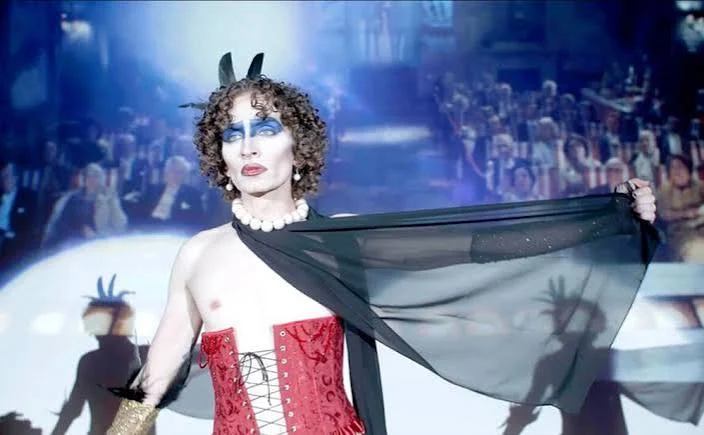
The film centers on the Starling Company, a troupe helmed by the charismatic nonbinary drag performer Kenny Starling. Berg’s lens captures the company’s ambitious 2022 mission to bring the subversive spirit of Jim Sharman’s 1975 film to a community that has historically lacked spaces for queer self-expression.
The documentary is a sprawling, earnest ensemble piece that feels, at times, like a real-life Christopher Guest mockumentary, filled with heart, humor, and a diverse cast ranging from high school students to seasoned performers. The narrative follows the troupe as they prepare for their production at the 350-seat Broadway Theater in Rock Springs. This is not merely a theater project; it is a declaration of presence in a state with a complicated, and often tragic, history regarding LGBTQ+ rights.
A Chronology of Resistance
The timeline of the production is marked by escalating tension. As Starling and their cast begin rehearsals, the project catches the attention of local government.
- Early 2022: The Starling Company announces the production, triggering immediate curiosity and alarm within the Rock Springs city council.
- Spring 2022: As news of the "drag-forward" show spreads, local opposition begins to coalesce. The production faces potential censorship efforts, forcing Starling to navigate the bureaucratic and social hurdles of local politics.
- Summer 2022: The rehearsal process intensifies. The film highlights the clandestine nature of the participation for some of the younger cast members, whose parents remain unaware of their involvement in a production that challenges the traditional gender norms of the area.
- Opening Night: The culmination of the documentary captures the performance itself—an event that serves as a community touchstone, drawing supporters and detractors alike to the theater’s doorstep.
Supporting Data: The Cost of Stifled Expression
The documentary’s most poignant argument lies in its contextualization of "queer joy" as a survival mechanism. Starling notes that this joy is not an abstract concept; it is an act of defiance in an environment where LGBTQ+ youth face disproportionately high suicide rates.

The film draws a direct, haunting line between the current atmosphere in Rock Springs and the 1998 murder of Matthew Shepard in nearby Laramie. By juxtaposing the vibrant, glitter-drenched rehearsals with the stark reality of Wyoming’s suicide statistics, Berg illustrates that for many, The Rocky Horror Picture Show is not just entertainment—it is a space where they can finally articulate an authentic self that the outside world has actively suppressed.
The documentary also tracks the presence of external agitators, such as a local veteran who organizes "First Amendment" protests outside the venue. His inability to reconcile his political stance with the documented mental health crises facing the youth in his own community provides a stark, unspoken commentary on the disconnect between ideology and human welfare.
Official Responses and Public Discourse
The conflict depicted in Time Warp is a microcosm of the national debate surrounding drag and queer performance. The local city council’s attempt to censor the production serves as a lens through which we see the anxieties of a community navigating rapid cultural change.
While the council members and protestors voice concerns about morality and traditional values, the performers offer a different perspective. For cast members like high school best friends Bones and Megan, the production is a rare opportunity to find community in a place where they have otherwise felt isolated or ostracized. Their interviews provide a grounding force to the film, showing that for the youth, the "Rocky Horror" ethos of "don’t dream it, be it" is a necessary tool for navigating a landscape that often feels hostile to their identities.
Implications for the Future of Queer Cinema
Allison Berg is no stranger to stories that explore the intersection of queer identity and public perception. In her previous work, The Dog, she examined the life of John Wojtowicz, whose desperate act of bank robbery was fueled by a desire to support his partner’s gender-confirmation surgery. Time Warp continues this tradition of highlighting the intersection of radical identity and the human struggle for recognition.
The implications of this documentary are twofold. First, it serves as a historical document of the post-2020s "culture wars," capturing a moment where the mere act of performing on a stage became a radical political statement. Second, it highlights the enduring, almost mystical ability of The Rocky Horror Picture Show to act as a bridge between generations. Older members of the troupe, who hold a deep, historical reverence for the musical’s role in the liberation movement, mentor the younger, Gen-Z participants, creating a cross-generational dialogue that is both touching and instructive.

Critical Assessment
At nearly 100 minutes, Time Warp does suffer from a degree of narrative looseness. The wealth of footage—much of which is clearly precious to the filmmaker—occasionally distracts from the tighter, more compelling arcs of the individual performers. The documentary’s commitment to showing the "full picture" of the inaugural performance sometimes results in pacing issues, as the narrative occasionally meanders into the weeds of local logistics.
However, these structural choices are secondary to the film’s primary strength: its unwavering warmth and its infectious sense of hope. The subjects of Time Warp are naturally charismatic, and the film succeeds because it allows them the space to express themselves on their own terms. It is a vital, necessary piece of filmmaking that finds beauty in the act of standing one’s ground.
Conclusion: A Vital Story for Our Time
In a climate where the existence of queer individuals is being legislated against with increasing frequency, Time Warp arrives as an essential reminder that community and art are the primary weapons of resistance. Whether or not the viewer is a fan of the source material, the film’s message is clear: when the world tries to silence you, the only option is to turn up the music.
Time Warp is currently seeking U.S. distribution following its successful run at the Tribeca Festival and various queer film circuits, including Frameline and Outfest. It is a story that, much like the show it documents, deserves to be seen, felt, and celebrated.
Grade: B
For those interested in the ongoing struggle for LGBTQ+ rights in rural areas, "Time Warp" serves as both a case study and a love letter to the power of performance. It is a testament to the fact that even in the most isolated corners of the country, there are people fighting to be seen—and they are doing it with style.