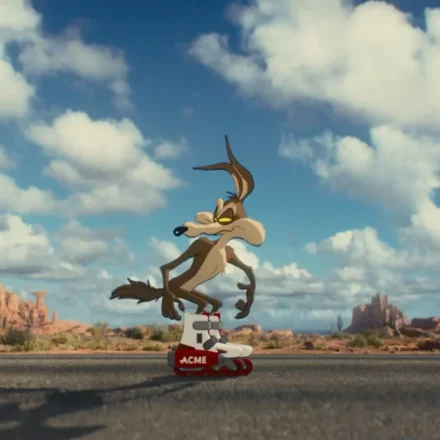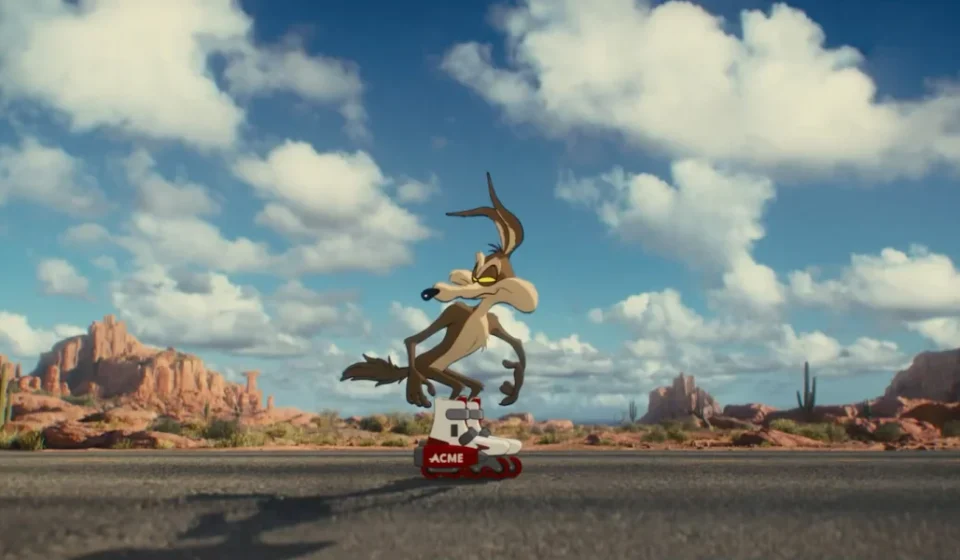

After decades of falling anvils, defective rocket skates, and catastrophic customer service, Wile E. Coyote has finally decided to pursue the one thing he could never catch: justice. In the highly anticipated film Coyote vs. Acme, the iconic "Super Genius" of the desert trades his precarious traps for a courtroom podium, dragging the Acme Corporation into a legal battle that promises to redefine the intersection of classical animation and modern live-action visual effects.
This week, the VFXShow—hosted by Matt Wallin, Jason Diamond, and Mike Seymour—takes the case to court. The trio dissects the technical wizardry, animation philosophy, and logistical hurdles involved in bringing the Looney Tunes into a tangible, human world.
The Main Facts: A Case for the Ages
Directed by Dave Green, Coyote vs. Acme is not merely a slapstick comedy; it is a meta-commentary on the absurdity of corporate negligence and the resilience of a cartoon icon. Based on Ian Frazier’s celebrated 1990 New Yorker article, the screenplay—penned by Samy Burch, James Gunn, and Jeremy Slater—centers on Kevin Avery, a down-on-his-luck personal injury attorney played by Will Forte.
Avery finds himself representing a client with the most extensive—and destructive—product-related accident history in history. With the support of his niece and intern, Paige (Lana Condor), Avery launches a massive legal offensive against the Acme Corporation. Defending the corporate giant is the formidable Buddy Crane, portrayed by John Cena. As the team at VFXShow notes, the film’s central conceit is inherently complex: how do you build a coherent narrative around a character whose primary trait is that he never speaks and constantly survives the impossible?
Chronology: From the New Yorker to the Big Screen
The journey of Coyote vs. Acme is a case study in adaptation. The intellectual property rights to the Looney Tunes have long been a crown jewel of the Warner Bros. library, but translating the "physics" of animation to the constraints of live-action has historically been a perilous endeavor.
- 1949: Wile E. Coyote makes his debut in Fast and Furry-ous, establishing the Acme Corporation as the primary supplier of his doomed inventions.
- 1990: Ian Frazier publishes his iconic New Yorker piece, "Coyote v. Acme," which serves as the thematic blueprint for the current feature film.
- The Development Phase: The project spent years in the "development hell" typical of high-concept hybrid films. The challenge lay in finding a balance between the hyper-stylized nature of Chuck Jones’s animation and the grounded requirements of a courtroom drama.
- Production: Director Dave Green oversaw a production that utilized cutting-edge CG integration, DNEG’s animation prowess, and a unique reliance on practical, on-set puppetry.
Supporting Data: The Mechanics of Animation
For the VFXShow hosts, the most fascinating aspect of the film is the technical "evidence" required to make Wile E. Coyote exist in a world with human actors. The film had to solve the problem of "physical logic." If a live-action actor picks up an Acme product, it must look like a physical object; when Wile E. Coyote interacts with it, the film must maintain the "gloriously impossible" logic that audiences expect from the Looney Tunes.

The "SketchViz" Methodology
The production relied heavily on "SketchViz"—hand-drawn storyboards and motion sketches that served as a blueprint for the final CG sequences. By creating a bridge between 2D animation sensibilities and 3D space, the team ensured that the timing of the humor—the classic "Coyote pause" before a drop—remained intact.
The Puppet Partner
One of the most innovative approaches was the use of a life-size Coyote puppet, operated by veteran puppeteer Dave Barclay. This was not a final on-screen asset but a tool for the actors. By providing Lana Condor and Will Forte with a physical presence for blocking and eye-lines, the production ensured that the human performances felt reactive and authentic, rather than performed in a vacuum.
DNEG’s Integration
DNEG was tasked with the heavy lifting of CG character work. The goal was not to "photorealistically" animate the Coyote—which would have stripped him of his charm—but to marry 2D-inspired poses with 3D compositing. This required a delicate balance between lighting, color grading, and animation timing to ensure the character did not appear "pasted" onto the live-action plates.
Official Responses and Creative Challenges
During the VFXShow breakdown, the hosts emphasize the emotional weight the film attempts to carry. Turning a character famous for "spectacular failure" into the emotional heart of a feature film requires a significant shift in perspective.
"The challenge," notes Mike Seymour, "is that you are dealing with a character who is defined by his silence. In a courtroom, where words are everything, Wile E. Coyote is the ultimate underdog because he lacks the ability to state his own case."
John Cena’s performance as Buddy Crane serves as the perfect antagonist to this silence. As the slick, corporate defender of Acme, Cena provides the "voice" that the film needs to push the legal proceedings forward, while the Coyote’s visual acting—relying on classic animation principles—must do the heavy lifting of the character’s internal arc.

Implications: The Future of Hybrid Animation
Coyote vs. Acme represents a potential pivot point for hybrid films. For years, the industry has chased the "Who Framed Roger Rabbit" standard of integration. However, the advancement of AI-assisted animation and improved lighting engines suggests that we are entering a new era where the "cartoon" and the "real" can coexist with even higher fidelity.
If this film succeeds, it suggests that legacy characters do not need to be "rebooted" or "darkened" to be relevant in the modern era. Instead, they can be placed into new, genre-defying contexts—like a courtroom thriller—that allow their classic characteristics to shine in fresh ways.
The Legal Team (The VFXShow Panel)
For those looking to dive deeper into the technicalities of the film’s production, the VFXShow panel provides an exhaustive breakdown:
- Counsel for the Coyote: Matt Wallin brings his extensive experience in VFX and creative strategy to analyze the visual storytelling.
- Expert Witness: Jason Diamond provides a deep dive into the historical significance of the Looney Tunes and the cultural weight of the Acme brand.
- Acme Product Tester: Mike Seymour, known for his rigorous technical analysis of industry output, examines the specific compositing hurdles and character design choices that defined the film’s visual identity.
Closing Remarks: All Rise
As the team concludes their analysis, they offer a final piece of advice to the audience: "All rise. And check for anvils first."
The release of Coyote vs. Acme is more than just a family film; it is a technical achievement that proves that even in the age of digital dominance, the fundamental principles of animation—timing, squash and stretch, and character-driven performance—remain the bedrock of cinema. Whether or not the Coyote finally receives his compensation from Acme remains to be seen in the final act, but from a visual effects standpoint, the verdict is already in: the fusion of 2D legacy and 3D innovation has set a new standard for the genre.
For further insights into the visual effects industry and to stay updated on the latest technical breakdowns, subscribe to the VFXShow on your favorite podcast platform and follow their ongoing coverage on the fxguide YouTube channel. The court is adjourned, but the discussion on the future of animation is just beginning.