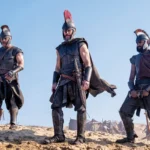

Six months after a viral, hyper-realistic video depicting a digital face-off between Tom Cruise and Brad Pitt sent shockwaves through the entertainment industry, the landscape of generative artificial intelligence is undergoing a significant shift. The spectacle—an unauthorized, AI-generated synthesis that blurred the line between cinematic reality and digital forgery—served as a clarion call for Hollywood’s major studios. On Monday, that call was answered with a landmark Memorandum of Understanding (MOU) between the Motion Picture Association (MPA) and the Chinese tech behemoth ByteDance.
This agreement marks a pivotal moment in the ongoing tug-of-war between the rapid advancement of generative AI and the fundamental protection of intellectual property (IP) rights. By implementing what both parties describe as "strong guardrails," the deal aims to ensure that the likenesses, performances, and creative outputs of Hollywood’s elite are not exploited by the very tools designed to revolutionize content creation.
The Genesis of the Conflict: A Viral Reality Check
The catalyst for this shift was the sudden emergence of "Seedance," a high-fidelity video generation model developed by ByteDance. Late last year, the platform gained notoriety when users leveraged its capabilities to produce seamless, unauthorized deepfakes of global superstars. The Cruise vs. Pitt video was not merely a novelty; it was a technical demonstration of how easily AI could hijack the "brand" of a human actor.
For studios, the implications were existential. If a model could mimic the mannerisms, voices, and faces of A-list actors without consent, the value of traditional performance and the sanctity of character likenesses were suddenly at risk of dilution. The incident echoed the turbulent rollout of OpenAI’s Sora, which initially faced intense backlash after circulating unauthorized clips featuring iconic film characters. While OpenAI eventually shuttered its project amidst pressure, ByteDance has taken a different path, opting for institutional collaboration over total withdrawal.
Chronology of the Regulatory Pivot
The path to Monday’s MOU was neither quick nor simple. The timeline of this collaboration reveals a concerted effort by the MPA to steer the development of generative AI before it reached a point of no return:
- Q4 2023: Seedance enters the spotlight, drawing criticism for its ability to generate unauthorized likenesses of Hollywood stars, mirroring the controversy surrounding OpenAI’s Sora.
- Early 2024: The MPA initiates a series of "constructive engagements" with ByteDance leadership, emphasizing the legal and ethical necessity of safeguarding copyrighted material.
- Q1 2024: Following the closure of the Sora project, industry experts speculate on the future of video-generation models, with ByteDance positioning Seedance as a persistent, competitive, and more manageable alternative to its predecessor.
- Monday, August 2024: The MPA and ByteDance formally announce a Memorandum of Understanding, establishing a framework for platform-wide protection of Hollywood IP across TikTok, CapCut, Dreamina, and Seedream 5.0 Lite.
Supporting Data: Why This Matters for Hollywood
The urgency of this agreement is underscored by the current economic climate of the entertainment industry. Generative AI models are being trained on vast datasets, and for the studios, the concern is that these models are effectively "learning" from their creative catalogs without compensation or permission.
According to industry analysts, the integration of protective protocols—often referred to as "watermarking" or "content provenance"—is becoming a baseline requirement for tech giants. The MOU specifically targets a wide ecosystem:
- Seedance & Seedream 5.0 Lite: The core generative engines, now required to filter out unauthorized likeness generation.
- TikTok: The world’s largest short-form video platform, which must now police the influx of AI-generated content to ensure it does not infringe on existing IP.
- CapCut: The ubiquitous video-editing tool, which will likely see new metadata requirements to identify and restrict the use of protected studio assets.
- Dreamina: ByteDance’s broader creative suite, now subject to the same oversight to prevent the misappropriation of creative works.
The goal is to move toward a "verified content" model where the technology can recognize a copyright-protected image or likeness and trigger an automatic block or a requirement for human verification.
Official Responses: A Shared Determination
The rhetoric surrounding the agreement is one of cautious optimism. For the MPA, the deal is a victory for the principle of authorship.
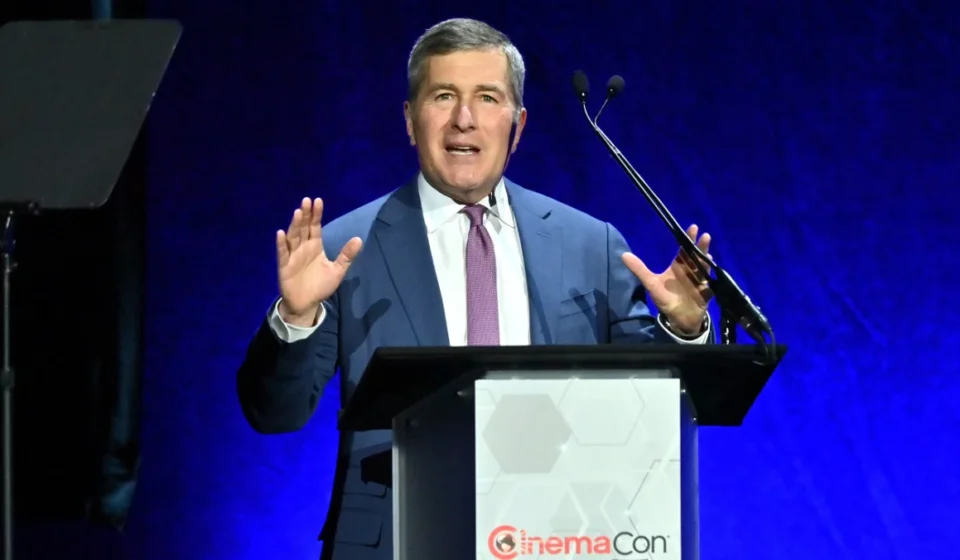
"Today’s agreement illustrates our belief that copyright is a cornerstone of the film and television industry — and reinforces our commitment to protect creative content," said Charles Rivkin, Chairman and CEO of the Motion Picture Association. "For the past several months, we have had constructive engagement with ByteDance to implement meaningful guardrails on Seedance and Seedream, and this MOU reflects our shared determination to continue our work together to further fortify those guardrails."
ByteDance, meanwhile, is framing the deal as a necessary step for "responsible innovation." John Rogovin, General Counsel at ByteDance, emphasized that the company sees the protection of creative rights as an essential component of the technology’s long-term sustainability. "ByteDance respects the intellectual property rights that underpin creative industries around the world, and we believe responsible innovation in AI goes hand in hand with meaningful protections for rightsholders," Rogovin stated. "This MOU establishes an important framework for continued collaboration as the technology evolves."
Implications for the Future of Generative AI
The significance of this agreement extends far beyond the companies involved. By setting a precedent with ByteDance, the MPA has established a "gold standard" for how other tech giants—including Google, Meta, and Midjourney—might be expected to behave in the future.
The Death of the "Wild West" Era
The era of unchecked, "move fast and break things" AI development is coming to a close in the media sector. As studios flex their legal and political muscles, tech companies are finding that the cost of potential litigation and reputational damage far outweighs the benefits of unrestricted generation.
The Role of Metadata and Provenance
The agreement hints at a broader industry shift toward "content provenance." This involves embedding digital signatures into the data of a video, allowing platforms to instantly verify whether a piece of content has been generated using unauthorized studio assets. This technology will likely become the backbone of the next generation of digital media law.
The Human Element
Despite the guardrails, the technology remains powerful. The challenge for Hollywood will be to balance these protections with the potential for AI to assist in creative workflows. The MOU is not an attempt to ban AI; it is an attempt to define the boundaries within which AI can exist. It acknowledges that the industry cannot stop the march of progress, but it can demand that progress be tethered to the rights of the creators who built the industry.
Conclusion: A Fragile Peace
The MOU between the MPA and ByteDance is a landmark development, but it is not a final solution. As AI technology evolves at a breakneck pace, the definitions of "likeness" and "intellectual property" will be tested again and again.
While the viral Tom Cruise and Brad Pitt video served as a warning, the current agreement is a testament to the ability of legacy industries to adapt and assert their value in the face of disruption. Whether these "strong guardrails" will be enough to withstand the next generation of generative models remains to be seen. However, for now, the studios have successfully drawn a line in the digital sand, ensuring that the magic of the movies remains firmly in the hands of those who create it.
As the industry moves forward, the focus will undoubtedly shift to how these guardrails are enforced in real-time. The partnership between the MPA and ByteDance serves as a crucial blueprint for an uneasy, yet necessary, coexistence between the masters of the screen and the masters of the code.