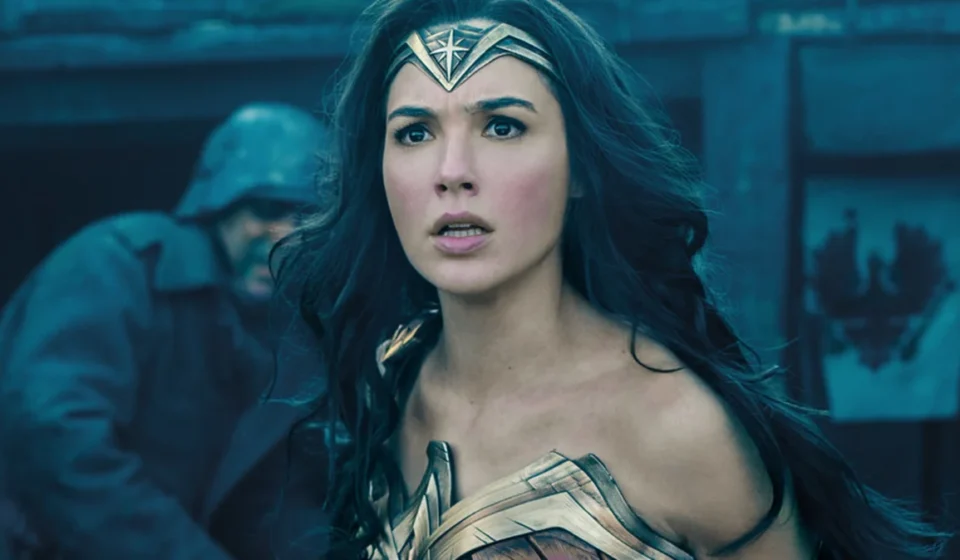

After years of speculation, fan theories, and shifting corporate strategies at Warner Bros., the final chapter on Gal Gadot’s tenure as Diana Prince has officially been written. In a recent interview promoting her latest film, The Runner, the actress confirmed that she is no longer involved with the DC Universe (DCU), effectively closing the door on a role she defined for nearly a decade.
For many, this confirmation is the formal end of the "Snyderverse" era, a cinematic period defined by high-stakes ambition, turbulent production cycles, and a complete reimagining of how comic book properties should be handled on the silver screen. As the DCU transitions into a new age under the leadership of James Gunn and Peter Safran, the vacancy left by Gadot marks a pivotal moment for the franchise.
The Confirmation: A Final Farewell to Themyscira
During her press rounds, Gadot was candid about her current relationship with DC Studios. When asked about her future as Wonder Woman, she confirmed that she has had no meaningful conversations with the studio heads, nor does she have any upcoming projects in development under the DC banner.
"This is such an incredible character that so many of us care about so much," Gadot stated. "So whoever it’s going to be to portray her, I wish for her that she enjoys this amazing ride with this amazing character. And I’m just grateful that I was granted the opportunity to wear her boots and celebrate this incredible character and everything she stands for."
This statement stands in stark contrast to previous, more ambiguous comments from the actress, which had led some fans to believe a third Wonder Woman film might still be in the cards. By clarifying her status, Gadot has provided the closure that both the fans and the studio required to move forward.
A Chronology of the Gadot Era
To understand the weight of this departure, one must look back at the trajectory of Gadot’s run, which began during a period of massive expansion for Warner Bros.
2016–2017: The Explosive Debut
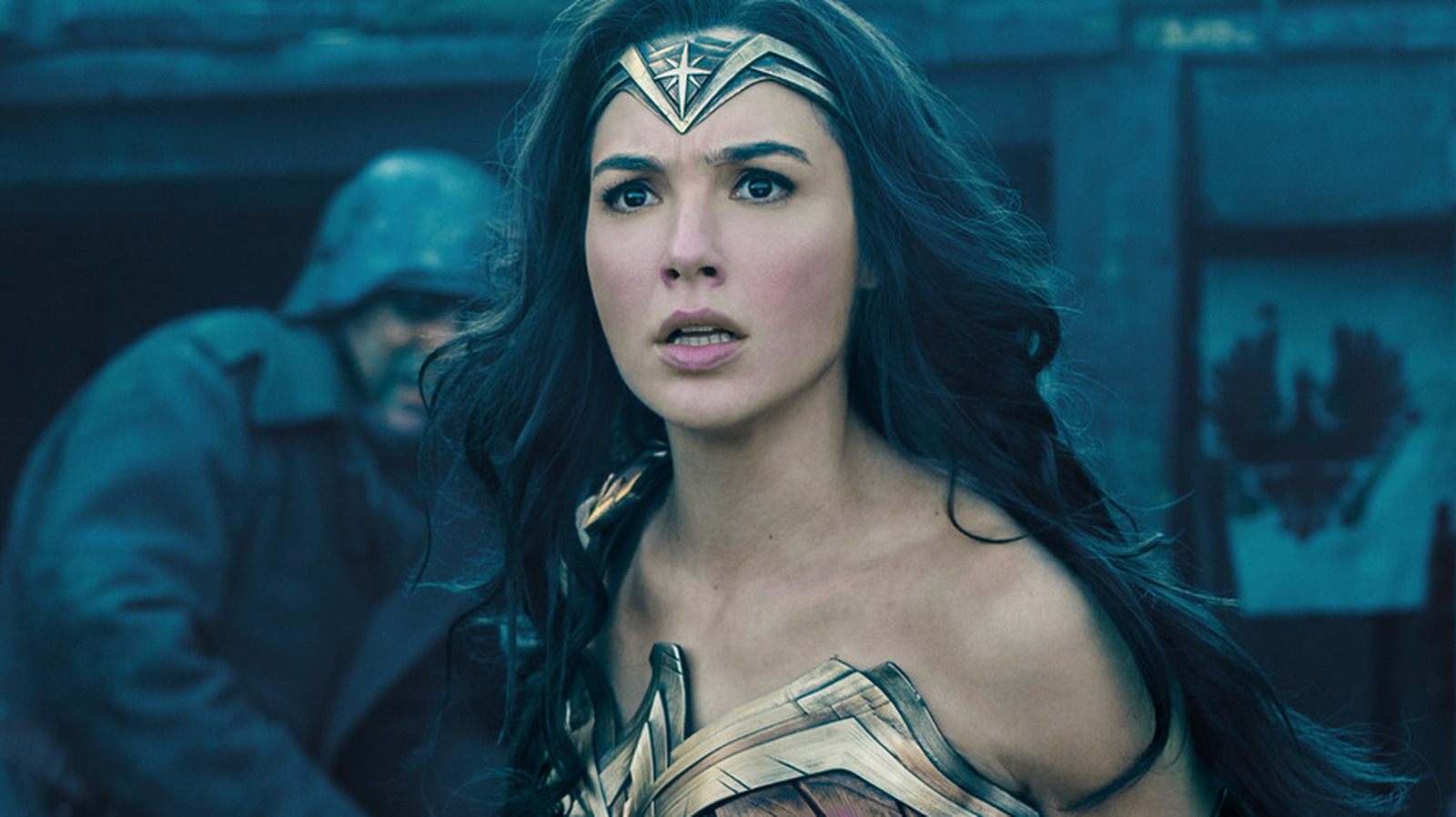
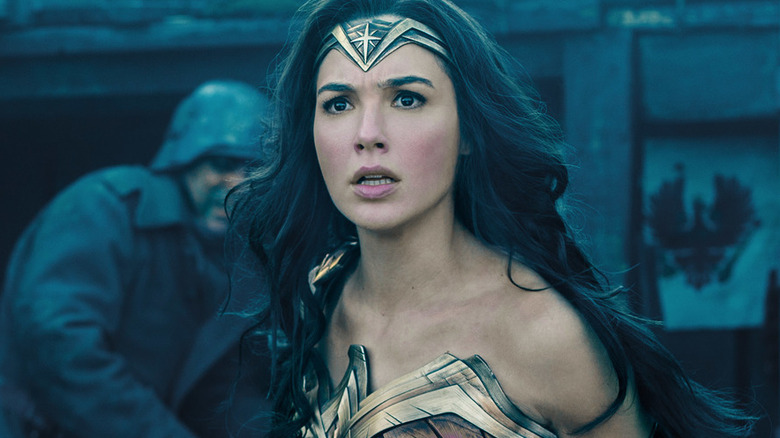
Gadot first donned the tiara in 2016’s Batman v Superman: Dawn of Justice. While the film was met with polarizing reviews, Gadot’s introduction was universally praised as the highlight of the production. Her screen presence provided a necessary gravitas that propelled her into her 2017 solo debut, Wonder Woman. Directed by Patty Jenkins, the film was a global phenomenon, grossing over $820 million and becoming a cultural touchstone for female-led superhero cinema.
2017–2022: The DCEU Turbulence
Following the success of her solo film, the DCEU encountered significant friction. The 2017 Justice League served as a critical and commercial low point, mired by production interference and a chaotic directorial hand-off from Zack Snyder to Joss Whedon. While Gadot remained a fan-favorite, the surrounding cinematic universe began to crumble under the weight of inconsistent tone and underperforming entries.
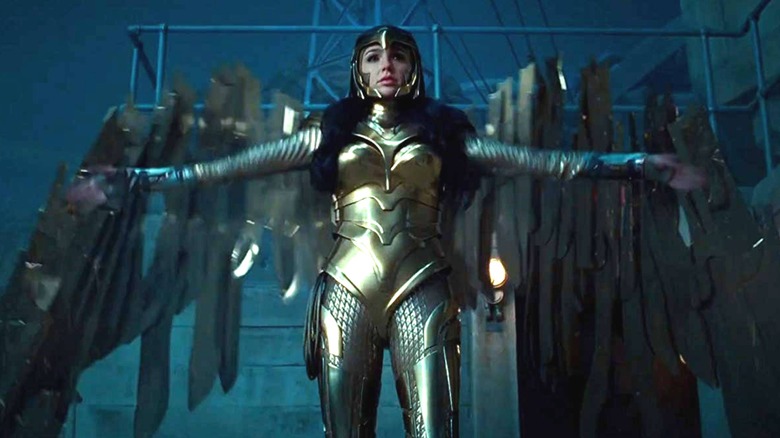
The 2020 sequel, Wonder Woman 1984, attempted to capture the magic of the original but was ultimately hamstrung by a simultaneous release on HBO Max during the height of the COVID-19 pandemic and a critical reception that failed to match its predecessor.
The Great Reset: Why the DCU Had to Move On
The decision to move on from Gadot is not a reflection of her performance, but rather a byproduct of the total structural reboot initiated by James Gunn and Peter Safran. Upon taking control of DC Studios, the duo opted to hit the "big red reset button."
This transition involved shedding almost the entire legacy cast of the previous decade. Henry Cavill was famously replaced as Superman by David Corenswet, and Ben Affleck moved away from the Batman mantle. Even Jason Momoa, who found success as Aquaman, has been transitioned into the role of Lobo for future projects.
For the studio, maintaining a "multiverse" of disparate, unconnected stories was deemed a strategy that diluted the brand’s value. By casting a new Wonder Woman, Gunn and Safran aim to create a cohesive, shared continuity where characters interact within a singular, unified narrative framework—a direct response to the success of their primary competitor, Marvel Studios.
Supporting Data: The Current State of the DCU
The future of the Wonder Woman mantle is currently in the hands of writer Ana Nogueira, who has been tasked with penning the script for the next iteration of the character. While a release date remains elusive, several key developments provide a window into the studio’s strategy:
- The "Man of Tomorrow" Integration: James Gunn is currently deep in production on the Superman sequel, titled Man of Tomorrow. This film is expected to act as a launchpad for several other key DC heroes.
- The Casting Rumor Mill: The recent casting of Adria Arjona in Man of Tomorrow has sparked intense speculation. While official channels have been quiet, many industry insiders believe Arjona is the top candidate to step into the role of Diana Prince, marking the first time the new DCU will feature its own version of the character.
- The Trinity Rebuild: With a new Superman and a yet-to-be-cast Wonder Woman, the final piece of the DC "Trinity" is Batman. Because Matt Reeves’ The Batman series (starring Robert Pattinson) remains an "Elseworlds" project, the new DCU will require an entirely different Dark Knight to stand alongside the new Diana Prince and Clark Kent.
Implications for the Franchise and the Fans
The departure of Gal Gadot signifies the end of a specific, stylized era of superhero filmmaking. Fans of the "Snyderverse" often champion the aesthetic and thematic choices of that era, and for many, Gadot was the emotional anchor of those films. Her exit is, for that segment of the audience, a final severance from a version of the DC Universe they held dear.
However, from a business perspective, the move is logical. A franchise cannot move forward if it is constantly looking back at the baggage of previous, underperforming entries. By casting a new actress, Warner Bros. is attempting to lower the barrier to entry for new audiences who may have been turned off by the confusing continuity of the DCEU.
Conclusion: A New Horizon
Gal Gadot’s legacy as Wonder Woman is secure. She brought a grace, strength, and humanity to the role that defined the character for an entire generation. While the costume will be passed on, her contribution to the history of the character remains a significant chapter in the evolution of modern blockbusters.
As for the DC Universe, the path ahead is uncertain but ambitious. With a new script in development and a clear vision from Gunn and Safran, the studio is betting that the audience is ready for a fresh start. Whether this new era can replicate the heights of the 2017 Wonder Woman remains to be seen, but one thing is certain: the world is ready to see who will pick up the lasso of truth next.
The story of the DCU is still being written, and while Gal Gadot is no longer on the page, the character of Wonder Woman is far from finished. Fans should stay tuned as Warner Bros. prepares to unveil the next phase of its comic book cinematic journey.