
Introduction: The King of the Monsters Returns
The global cultural landscape was forever altered when director Takashi Yamazaki delivered Godzilla Minus One, an Oscar-winning masterpiece that redefined the cinematic potential of the world’s most famous kaiju. Now, the momentum continues with the impending release of its highly anticipated successor, Godzilla Minus Zero.
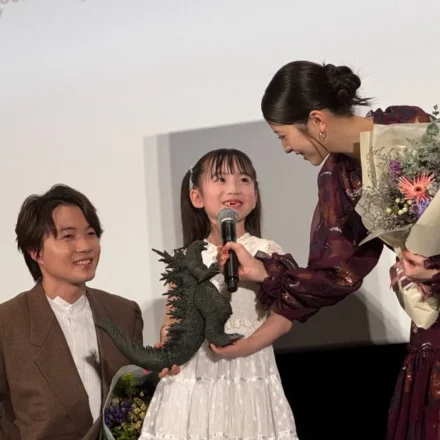
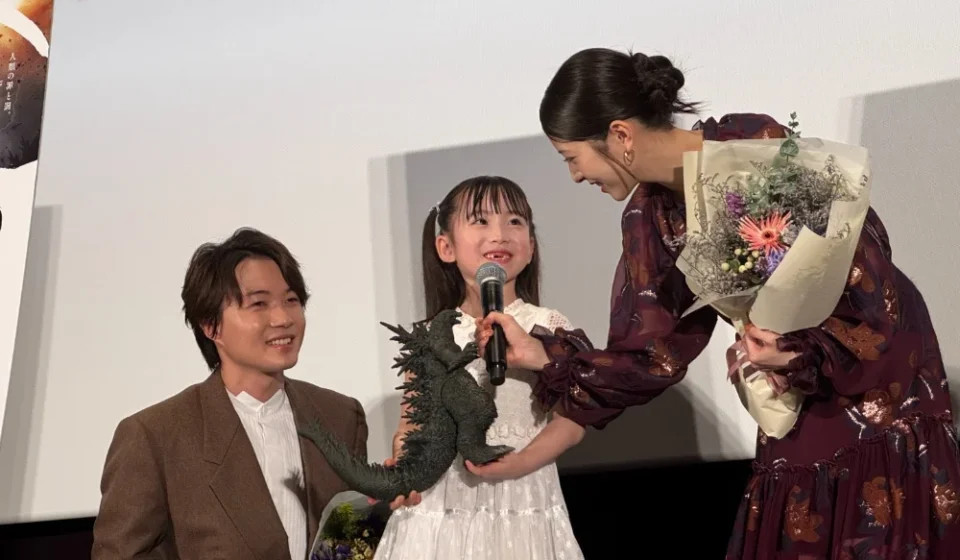
On Sunday, the cast of this monumental project brought a distinct Hollywood glow to the 39th Tokyo International Film Festival. The event served as a triumphant homecoming for stars Kamiki Ryunosuke and Hamabe Minami, who had touched down in Japan just 48 hours prior following a whirlwind, star-studded premiere at the historic TCL Chinese Theatre in Los Angeles. As the Japanese public prepares for the film’s domestic debut, the discourse surrounding the franchise has shifted from simple monster-movie excitement to a profound appreciation for a cultural institution that bridges continents and generations.
The Chronology of a Global Hit
The journey of the Minus series has been nothing short of meteoric. Following the critical and commercial success of Godzilla Minus One, which grossed over JPY 7.65 billion ($50 million) at the Japanese box office and secured a historic Academy Award for Best Visual Effects—a first for an Asian production—the pressure to replicate that magic was immense.
The Los Angeles Premiere
The recent premiere at the TCL Chinese Theatre in Los Angeles was a litmus test for the franchise’s enduring appeal in the United States. According to the cast, the energy in the room was “extraordinary.” Kamiki Ryunosuke, who reprises his role as the haunted veteran Shikishima Koichi, noted that the raw enthusiasm of the American audience provided a fresh perspective on the character he portrays.
“Feeling that raw enthusiasm firsthand made me realize all over again just how deeply Godzilla is loved around the world,” Kamiki said during the Tokyo event. “It was an invaluable experience.”
The after-party following the screening offered a more intimate look at the fandom. Cast members reported being approached by viewers adorned in Godzilla-themed apparel, from intricate costumes to subtle, proud badges. The red carpet, which remained open to the public, became a site of pure fervor. Fans clamored for autographs, and the air was filled with rhythmic chants of “TAKASHI!”—a testament to the cult-like status director Yamazaki has achieved on the global stage.
Supporting Data and Production Milestones
Godzilla Minus Zero is not merely a sequel; it is a technical milestone. It holds the distinction of being the first Japanese-produced film to be certified as “Filmed for IMAX,” signaling a massive leap in technical ambition for Toho Studios.
The production’s success is anchored by a blend of technical wizardry and human-centric storytelling. Godzilla Minus One garnered more than 50 honors globally, a testament to its narrative depth. With Minus Zero, the production team is doubling down on the emotional stakes of the Shikishima family.
The Evolution of Akiko
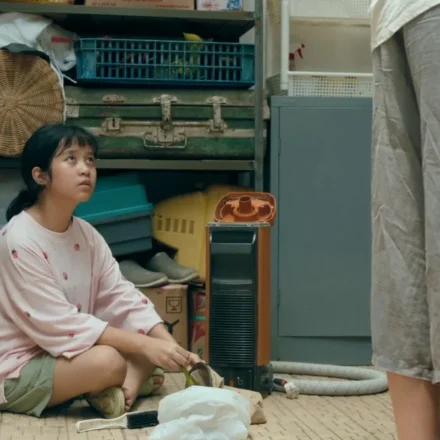
A focal point of the Tokyo event was the return of child actor Nagatani Sae, who plays Shikishima Akiko. Her growth—both as a character and as an actor—has become a narrative thread for the cast.
In the first film, the toddler’s performance was defined by vulnerability: crying and limited dialogue. In Minus Zero, however, the script demands significantly more. “We were like, ‘Really? Can she do this?’” Kamiki admitted, recalling the skepticism on set. “But when we got on set, she had all her lines memorized perfectly and delivered them flawlessly.”
Hamabe Minami, who plays Noriko, expressed her amazement at the young actor’s maturity. “Reuniting on this film, I was amazed by how much of a wonderful young girl she had grown into,” she noted. “She chatted with us so much, taught me various things, and was very dependable in her acting.”
Nagatani herself remains remarkably grounded. When asked how she prepares for such emotionally taxing roles, she spoke of the support provided by her co-stars. She recalled Kamiki continuing to comfort her by rubbing her back even after the cameras had stopped rolling on a particularly difficult crying scene. Her goal, she says, is to become a "fine actor," a sentiment that Kamiki dismissed as unnecessary, insisting she has already surpassed her mentors by delivering such high-caliber work at such a tender age.
Official Responses and Cast Perspectives
The cast’s reflections on the Godzilla franchise offer a window into why the series remains so vital. When asked about the secret to the franchise’s longevity, the actors pointed toward a mix of cultural reflection and subconscious connection.
The Mirror of Society
Kamiki noted that each iteration of Godzilla acts as a mirror to the era in which it is produced. However, he emphasized a deeper, more personal connection. “I cannot even remember when I first heard [the theme music] or realized, ‘Oh, this is Godzilla’s theme song,’” he said. “It has always been alongside us, which is why I personally think it has remained loved for so long.”
Hamabe echoed this, focusing on the thematic core of the human experience within the films. “From a human standpoint, Godzilla is overwhelming and impossible to defeat,” she observed. “Yet, when Godzilla appears, humans unite and stand together to face it. I think seeing that human resolve is the first thing that moves people’s hearts.”
The Narrative Gap
Regarding the timeline of Minus Zero, Kamiki clarified that the new film picks up roughly two years after the conclusion of Minus One. Hamabe suggests a slightly wider window of two to three years. Both agree that the film begins with the Shikishima family attempting to settle into a sense of normalcy, a domestic stability that is inevitably shattered when the creature resurfaces. “I hope viewers can imagine what those two years were like for them, and see how the family stands together against what comes next,” Kamiki said.
Implications: The Future of the Kaiju Genre
The success of Godzilla Minus Zero carries significant implications for the future of international cinema.
- The Shift in Visual Effects: With the Academy Award win for Minus One and the IMAX certification for Minus Zero, the Japanese film industry has effectively signaled that it can compete with the largest Hollywood blockbusters on a technical level while maintaining a unique, culturally specific narrative identity.
- Global Franchise Viability: The ecstatic reception in Los Angeles proves that audiences are hungry for stories that do not follow the standard Hollywood "monster-mash" formula. The demand for character-driven, emotionally resonant kaiju films is higher than ever.
- The "Takashi" Effect: Director Yamazaki has become a household name. The chants from the Los Angeles crowd, which Kamiki described as “roaring,” demonstrate that international audiences are now paying as much attention to the auteur behind the monster as they are to the monster itself.
Conclusion
As Godzilla Minus Zero prepares to hit Japanese theaters, the atmosphere is one of anticipation and profound respect. The film represents more than just a continuation of a franchise; it is a testament to the power of collaborative storytelling, the growth of young talent, and the enduring ability of a 70-year-old monster to capture the collective imagination of the world.
Whether it is the haunting melodies of the theme music that Kamiki remembers from his youth or the visceral, terrifying scale of the creature on the IMAX screen, Godzilla remains a constant in a rapidly changing world. The Tokyo International Film Festival, with its standing ovations and emotional reunions, has set the stage for what is likely to be another chapter of history-making success. The message from the cast is clear: while the monster may be destructive, the human spirit it inspires is indomitable—and the world is ready to watch.