Scoring the Stakes: Ariel Rechtshaid and Will Canzoneri Unite for NBC’s High-Octane Drama ‘Line of Fire’

In a high-profile move that underscores the increasingly blurred lines between contemporary pop production and prestige television scoring, NBC has tapped acclaimed record producer and songwriter Ariel Rechtshaid to compose the soundtrack for its latest ensemble drama, Line of Fire. Joining forces with collaborator Will Canzoneri—known for his evocative work on On a String—Rechtshaid is tasked with sonically grounding the complex, fast-paced world of a family deeply entrenched in federal law enforcement.
Created by industry veteran Joshua Safran, the series represents a major bet for Universal Television. With a sprawling narrative that spans the FBI, the U.S. Marshals, the Secret Service, and the Department of Justice, Line of Fire is positioned as a cornerstone of NBC’s fall schedule. As the series prepares for its premiere on Monday, September 21, the choice of Rechtshaid—a Grammy-winning producer synonymous with artists like Haim, Vampire Weekend, and Adele—signals a deliberate stylistic shift toward a more modern, textured, and rhythm-driven soundscape.
Main Facts: A Convergence of Musical and Cinematic Power
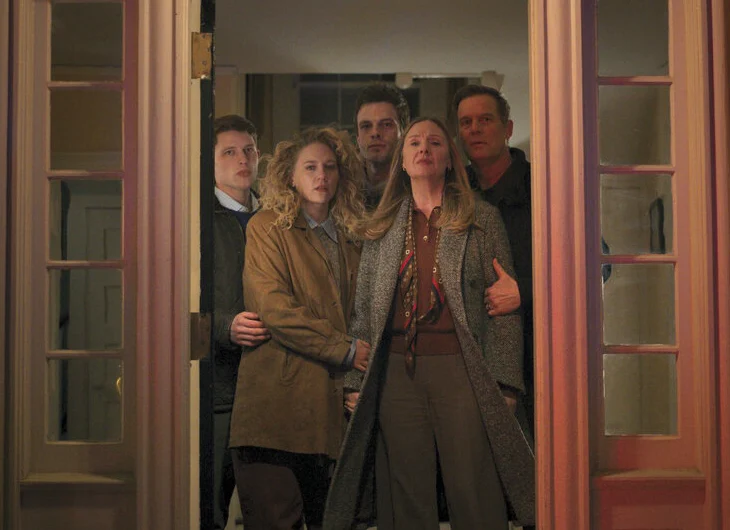
Line of Fire is more than a standard procedural; it is a character-driven saga that explores the friction between blood ties and badge requirements. The narrative centers on a family of law enforcement agents forced to navigate the blurred lines of their personal relationships while operating within the highest echelons of the U.S. government.
The series boasts a formidable ensemble cast, including Peter Krause, Hope Davis, Kat Cunning, Taylor Bloom, Tommy O’Brien, and Charlie Barnett. Behind the camera, the pedigree is equally impressive. Joshua Safran, whose previous work includes the high-tension narratives of Quantico and the emotional gravity of Endless Love, serves as showrunner. He is supported by executive producers Jenna Bush Hager and Ben Spector, the latter of whom recently found success with the adaptation of The House of the Spirits and the series Land of Women.
The musical direction is perhaps the most intriguing variable. By pairing Ariel Rechtshaid—a titan of modern music production—with Will Canzoneri, NBC is signaling an intent to move away from the traditional, orchestral-heavy tropes of the police procedural. Instead, the audience can expect a soundscape that mirrors the fractured, high-stakes nature of the characters’ lives.
Chronology: The Road to ‘Line of Fire’
The journey to the premiere of Line of Fire has been characterized by strategic creative alignment and deliberate industry positioning.
- Early 2021: Ariel Rechtshaid makes his foray into episodic scoring by collaborating with Joshua Safran on the HBO Max reboot of Gossip Girl. This initial partnership proved fruitful, establishing a shared creative language between the producer and the showrunner.
- Late 2022 – 2023: As Line of Fire moved through the developmental stages at Universal Television, Safran sought a musical identity that could transcend the genre’s tropes. Conversations with Rechtshaid began as early as the pre-production phase.
- 2024: Following his work on the Disney+ series The Santa Clauses, which demonstrated his ability to pivot between whimsical storytelling and structured narrative beats, Rechtshaid officially signed on to Line of Fire.
- Spring 2025: Will Canzoneri is brought into the fold. The duo spends months in the studio developing a sonic palette that reflects both the intense, claustrophobic atmosphere of federal investigations and the intimate, domestic tension of the family unit.
- September 21, 2026: The series makes its official debut on NBC, with simultaneous streaming availability on Peacock, marking a major milestone for the network’s fall rollout.
Supporting Data: The Evolution of the Composer-Producer
The recruitment of a producer like Ariel Rechtshaid into the world of television scoring is not an anomaly, but rather the continuation of a trend that has reshaped modern media.
The Shift Toward Indie and Pop Aesthetics
For decades, television scoring was dominated by traditionalists trained in orchestral composition. However, the rise of "Golden Age" prestige television in the mid-2010s saw a surge in producers from the indie and pop worlds—such as Trent Reznor and Atticus Ross—transitioning into film and TV. Rechtshaid’s background as a songwriter and multi-instrumentalist allows him to approach a scene not just as a narrative underscore, but as a sonic landscape that influences the emotional frequency of the viewer.
Production Stats & Distribution
- Production House: Universal Television.
- Platform: NBC (Broadcast) and Peacock (Streaming).
- Key Scoring Personnel: Ariel Rechtshaid (Producer/Composer) and Will Canzoneri (Composer).
- Target Demographic: A mix of procedural enthusiasts and fans of high-tension, character-driven serialized drama.
The collaboration between Rechtshaid and Canzoneri is specifically engineered to handle the "multi-agency" complexity of the show. By utilizing a hybrid approach—blending synthetic, electronic textures with organic instrumental motifs—they aim to represent the different agencies (FBI, Marshals, etc.) through distinct sonic "signatures" that clash and resolve as the family dynamic shifts throughout the season.
Official Responses: The Creative Vision
In discussions surrounding the series, the production team has emphasized that the music was intended to be as much a character in the show as the agents themselves.
"When we were looking for the sound of Line of Fire, we didn’t want the typical ‘ticking clock’ thriller music," said showrunner Joshua Safran in a recent press briefing. "We wanted a pulse. Ariel and Will have this uncanny ability to make a scene feel both incredibly grounded and dangerously unstable. Their score doesn’t just tell you what to feel; it puts you in the headspace of a family that is simultaneously protecting the country and tearing itself apart."
Ariel Rechtshaid, reflecting on the transition from the recording studio to the scoring stage, noted the unique challenges of the series: "In pop production, you have three minutes to tell a story and reach a climax. In a show like this, you have to pace that tension over forty-five minutes, across multiple storylines. Will and I have been building a library of sounds that can adapt to the bureaucracy of the FBI as easily as it can to a quiet, devastating conversation in a kitchen. It’s about balance."
Implications: A New Standard for NBC Dramas
The premiere of Line of Fire carries significant weight for NBC’s strategy in an increasingly competitive streaming-first environment.
Revitalizing the Procedural
By opting for a high-concept score and a serialized format involving multiple federal agencies, NBC is attempting to modernize the procedural. The hope is that the show will capture the "appointment television" crowd while maintaining enough narrative complexity to sustain a long-term presence on Peacock.
The "Auteur" Composer Model
The decision to hire Rechtshaid and Canzoneri underscores a shift in how networks view the "aural brand" of their shows. Rather than hiring a traditional TV composer to churn out volume-based underscore, studios are now looking for "aural auteurs" who can provide a signature sound that makes a show feel "prestige" even within the confines of network television.
Future Outlook
If Line of Fire finds the critical and commercial success expected by NBC, it will likely pave the way for more crossovers between the music industry’s elite producers and the television world. The success of this series will serve as a bellwether for whether audiences respond to a more experimental, pop-inflected sound in traditional broadcast dramas.
As viewers tune in on September 21, the focus will be on whether the complex, layered score can provide the necessary emotional weight to support a cast of high-caliber actors and a script that promises to challenge the conventional boundaries of law enforcement dramas. With the pedigree of Safran, the star power of Krause and Davis, and the sonic innovation of Rechtshaid and Canzoneri, Line of Fire is positioned to be one of the most significant television events of the season.
Whether the series succeeds as a ratings juggernaut or a critical darling, one thing is certain: the conversation surrounding television soundtracks has evolved, and Line of Fire is at the forefront of that shift. As the lines between personal duty and professional obligation are tested on-screen, the music—meticulously crafted to mirror that very friction—will be the heartbeat of the entire experience.