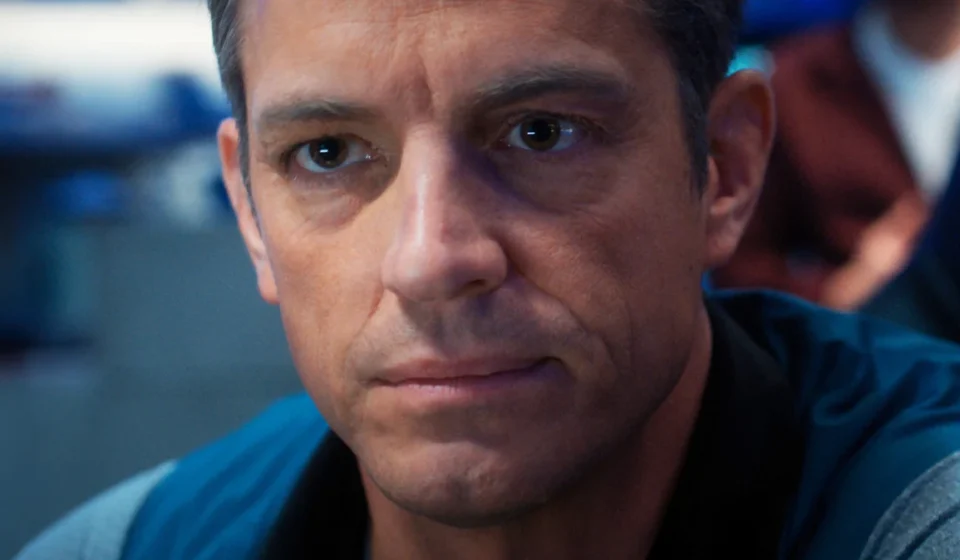
From Stockholm to Stardom: Ranking the 5 Defining Television Performances of Joel Kinnaman

For a significant period, the trajectory of Joel Kinnaman’s career seemed tethered to the turbulent fortunes of the DC Extended Universe. Following his portrayal of Rick Flag Jr. in 2016’s Suicide Squad, the Swedish-American actor found himself navigating a landscape of B-grade thrillers—projects like The Informer (2019) and The Silent Hour (2024)—that failed to capture the raw, magnetic intensity he had displayed earlier in his career. However, as the cinematic landscape proved fickle, Kinnaman found a more fertile ground for his craft: the small screen.
While recent successes like the Prime Video action thriller Icefall have begun to rehabilitate his filmography, it is undeniable that Kinnaman’s most nuanced, enduring, and critically acclaimed work has been in the medium of television. From his early days as a child actor in the Swedish soap opera Storstad to his status as a prestige television staple, Kinnaman has cultivated a reputation for grounded, high-stakes performances. With his upcoming turn in the Prime Video thriller Bishop on the horizon, it is the perfect moment to analyze and rank the five performances that define his television legacy.
The Evolution of an Actor: A Chronological Overview
Kinnaman’s journey is one of quiet, methodical progression. Born in Stockholm, he began his professional journey at age 11. Yet, it was the transition to American television that catapulted him into the global consciousness. His breakthrough came not through blockbuster spectacle, but through the atmospheric, rain-soaked streets of Seattle in AMC’s The Killing.
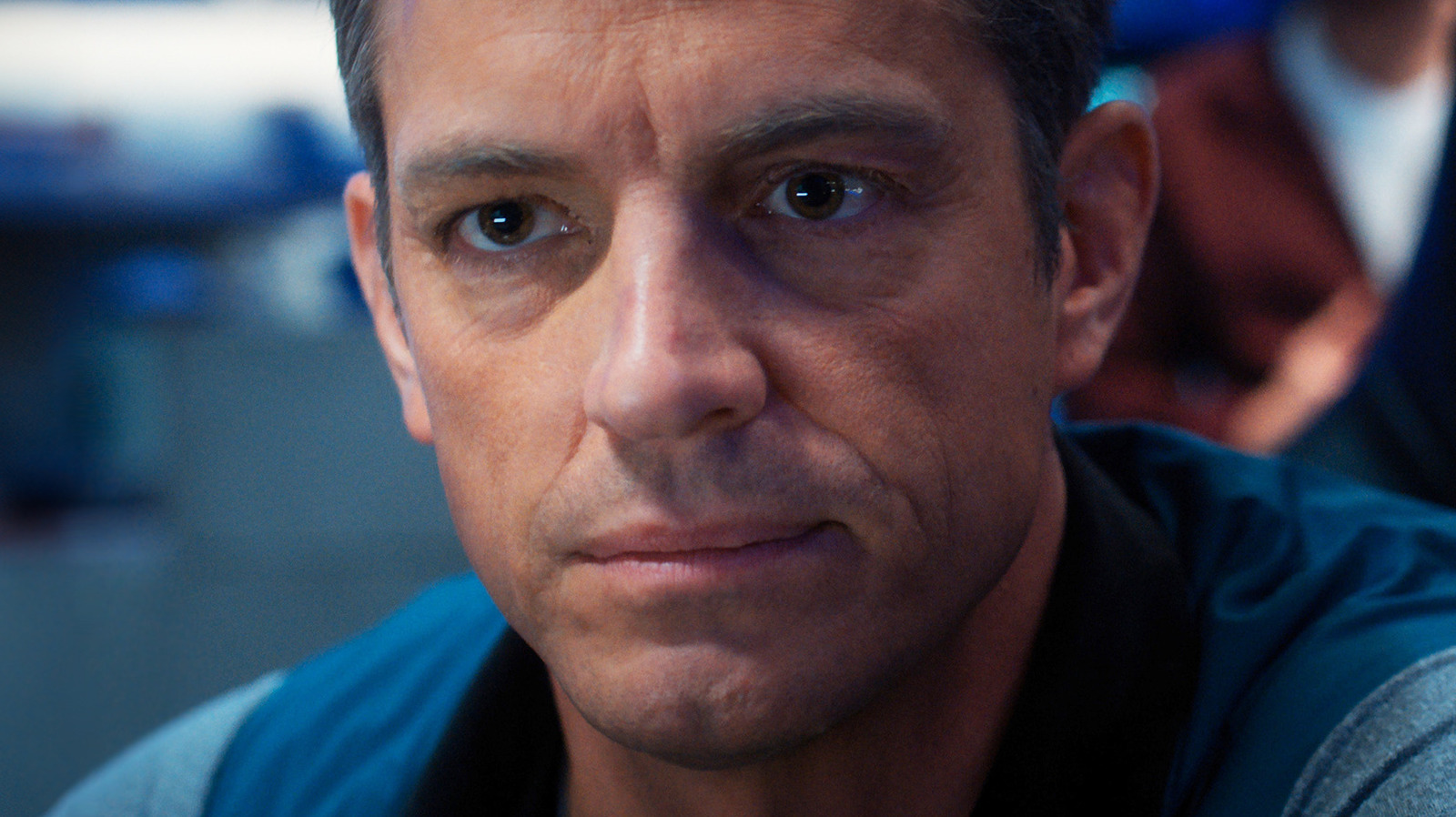
This role served as the crucible for his American career, allowing him to demonstrate a range that extended from the jittery, streetwise narcotics detective to the stoic, measured leader of an alternative-history space program. Along the way, he navigated the complex, high-concept world of cyberpunk noir and the morally gray corridors of international espionage. Each role has acted as a building block, constructing a resume that proves Kinnaman is not merely a "tough guy" actor, but a performer capable of immense emotional vulnerability.
5. Altered Carbon (Netflix): The Cyberpunk Enigma
Netflix’s Altered Carbon arrived in 2018 with the weight of massive production values and a dense, cerebral source material. Based on Richard K. Morgan’s 2002 novel, the series posited a future where human consciousness could be digitized and uploaded into new bodies, or "sleeves."
The Performance
Kinnaman took on the role of Takeshi "Tak" Kovacs, a legendary soldier whose consciousness is revived 250 years after his death to solve the murder of a billionaire. The challenge here was twofold: Kinnaman had to play a man out of time while inhabiting a body that was not his own. By playing both the original Kovacs and the host body of police officer Elias Ryker, Kinnaman delivered a performance of layered complexity. He balanced a cynical, hardened exterior with the deep-seated trauma of a man who had lost everything. Although the show was canceled after two seasons—with Anthony Mackie taking over the role in the second—Kinnaman’s first season remains a high-water mark for cyberpunk television.
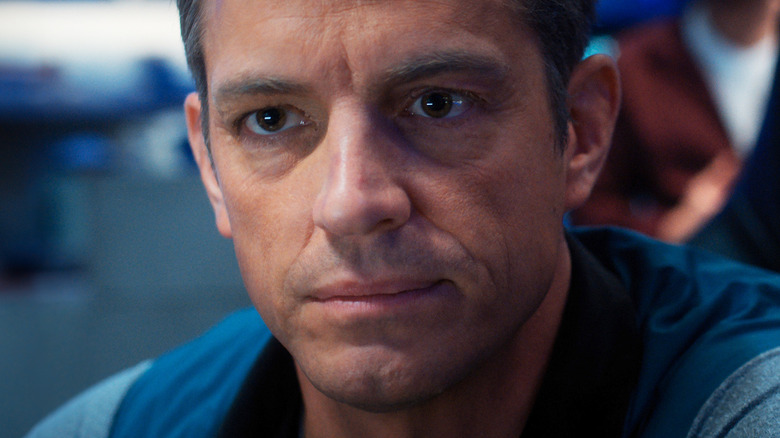
4. Hanna (Prime Video): The Reluctant Guardian
In 2019, Prime Video sought to expand the mythology of Joe Wright’s 2011 film Hanna into a serialized format. The result was a surprisingly tender, action-packed exploration of parental bonds under duress.
The Dynamics of Survival
Kinnaman played Erik Heller, the man who raised the titular super-soldier in the isolation of a Polish forest. While the show focused on the evolution of the young protagonist, played by Esme Creed-Miles, it was the chemistry between the two leads that anchored the series. Kinnaman portrayed Heller as a man haunted by his past as a CIA operative, yet driven by an unwavering, if sometimes questionable, love for his surrogate daughter. His ability to convey internal conflict—flickering between the cold efficiency of a trained killer and the desperate warmth of a father—elevated Hanna from a standard spy thriller to a poignant character study.
3. Jo Nesbø’s Detective Hole (Netflix): The Master of Malice
When news broke that Netflix would be adapting Jo Nesbø’s celebrated Harry Hole series, fans were wary, especially following the critical failure of the 2017 The Snowman film adaptation. However, Jo Nesbø’s Detective Hole proved that with the right creative team—and a script overseen by Nesbø himself—the material could shine.

The Antagonist’s Edge
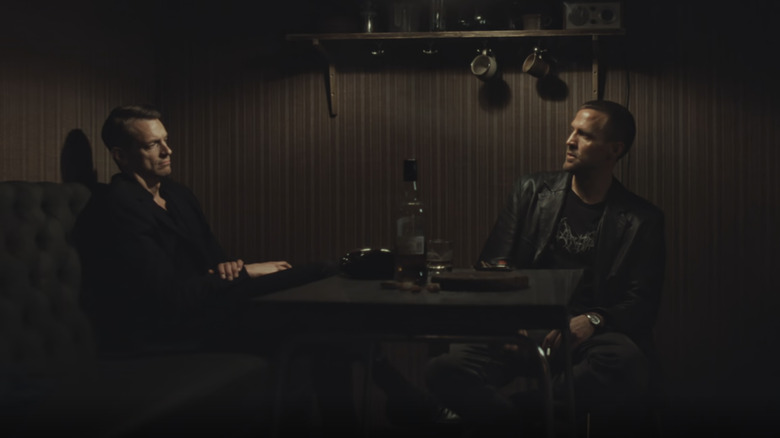
In this nine-episode series, Kinnaman portrays the crooked cop Tom Waaler. It is a departure from his usual "protagonist" roles, allowing him to lean into a slick, chilling brand of villainy. Kinnaman’s performance is marked by a cool, calculated detachment that makes his character’s corruption feel all the more dangerous. His familiarity with the Nordic landscape and language brings an authentic, gritty texture to the Scandi-noir atmosphere. Seeing him go toe-to-toe with Tobias Santelmann’s Harry Hole is a masterclass in tension, cementing the series as a must-watch for fans of the genre.
2. For All Mankind (Apple TV+): A Life in Five Acts
If an actor’s career is a marathon, For All Mankind is the ultramarathon. The Apple TV+ sci-fi epic tasked Kinnaman with portraying Edward Baldwin, a man whose life spans five decades of alternate-history space exploration.
The Aging Challenge
Kinnaman’s work here is perhaps his most ambitious. Portraying a character at ages 40, 50, 60, 70, and 80, he had to navigate the physical and psychological toll of a career spent chasing the stars. Despite the at-times distracting prosthetic work in the later seasons, Kinnaman’s internal performance never faltered. He captured the essence of a man who sacrificed his personal life—and his relationship with his son—for the sake of the mission. It is a performance of immense stamina and subtle observation, showcasing the evolution of a man from a cocky pilot to a weary, reflective elder statesman of the space program.
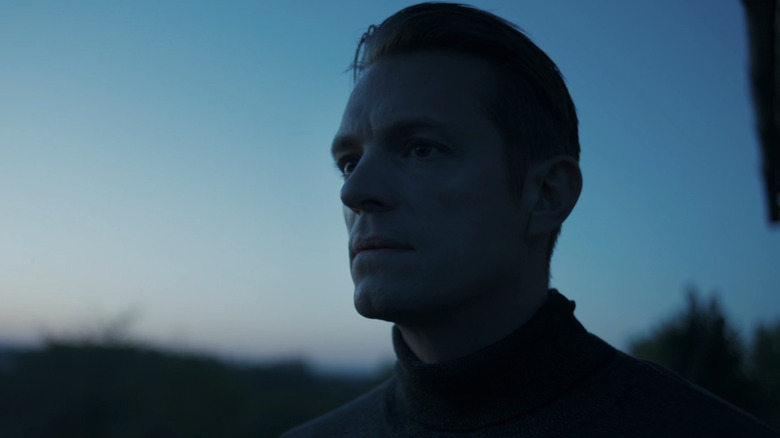
1. The Killing (AMC): The Definitive Performance
Topping the list is The Killing, the show that introduced international audiences to Kinnaman’s singular talents. As Stephen Holder, the narcotics-detective-turned-homicide-investigator, Kinnaman delivered a performance that defied the conventions of the "buddy cop" dynamic.
Why It Remains Unsurpassed
In The Killing, Kinnaman was tasked with playing a man who was intentionally difficult to read. As he noted in interviews, the show’s writers wanted the audience to remain unsure of his moral alignment for as long as possible. Kinnaman executed this with a brilliant, nervous energy. He was the perfect foil to Mireille Enos’s stoic Sarah Linden, bringing a chaotic, street-smart humanity to a series defined by its bleak, somber tone.
Over four seasons, we watched Holder evolve from an unreliable, edgy transfer into a man of deep professionalism and personal integrity. The progression—from his struggle with substance abuse to the heavy weight of impending fatherhood—was handled with a level of restraint that most actors only achieve after decades in the industry. It remains the gold standard of Kinnaman’s career: a raw, unpredictable, and ultimately deeply moving portrait of a man trying to find light in a very dark world.
Implications for the Future
Joel Kinnaman’s television career stands as a testament to the power of long-form storytelling. By choosing roles that emphasize character over caricature, he has transcended the "action hero" archetype. Whether he is navigating the complex morality of an alternate-history timeline or the grim, rain-slicked reality of a murder investigation, Kinnaman brings a signature intensity that transforms every project he touches.
As he moves forward into new projects like Bishop, the industry expectation is clear: Kinnaman has moved past the "B-grade" labels of his early career. He is now a cornerstone of modern television, a reliable vessel for high-quality drama, and an actor whose best work, despite a storied career, may still be ahead of him. His trajectory serves as a reminder that for a truly talented actor, the small screen is not a fallback—it is the ultimate proving ground.