Crafting Chaos: How VFX Supervisor Kevin Lingenfelser Engineered the Spectacle of Netflix’s Man on Fire

In the modern landscape of high-stakes television, the line between cinematic feature-film quality and episodic content has all but vanished. Nowhere is this more apparent than in Netflix’s latest adrenaline-fueled series, Man on Fire. To achieve the visceral, grounded, and terrifyingly realistic action sequences that define the show’s opening episodes, the production tapped VFX Supervisor Kevin Lingenfelser. In a recent episode of the fxpodcast, Lingenfelser pulled back the curtain on the technical ingenuity and collaborative artistry required to bring this high-octane project to life.
The Architecture of Destruction: Main Facts
At the heart of the series’ visual identity is an unwavering commitment to "grounded spectacle." For Lingenfelser, who joined the production in May 2024, the mandate was clear: the visual effects (VFX) had to serve the narrative’s sense of danger, not overshadow it. The show, which was consolidated from an original eight-episode run into a tight seven-episode arc, utilizes a hybrid approach. It marries practical, on-set stunts—such as ratchet pulls and physical vehicle flips—with sophisticated, large-scale digital simulations.
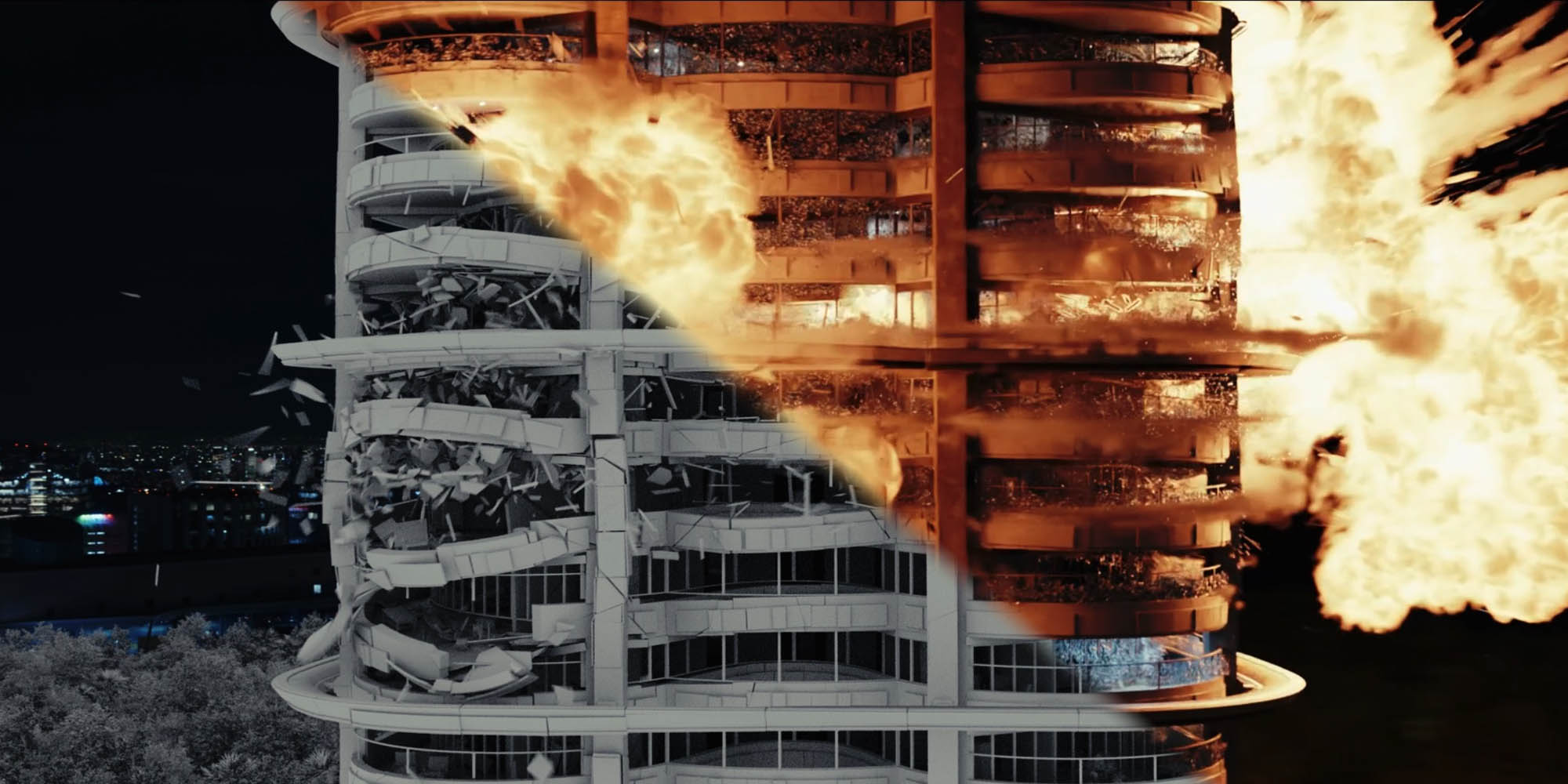
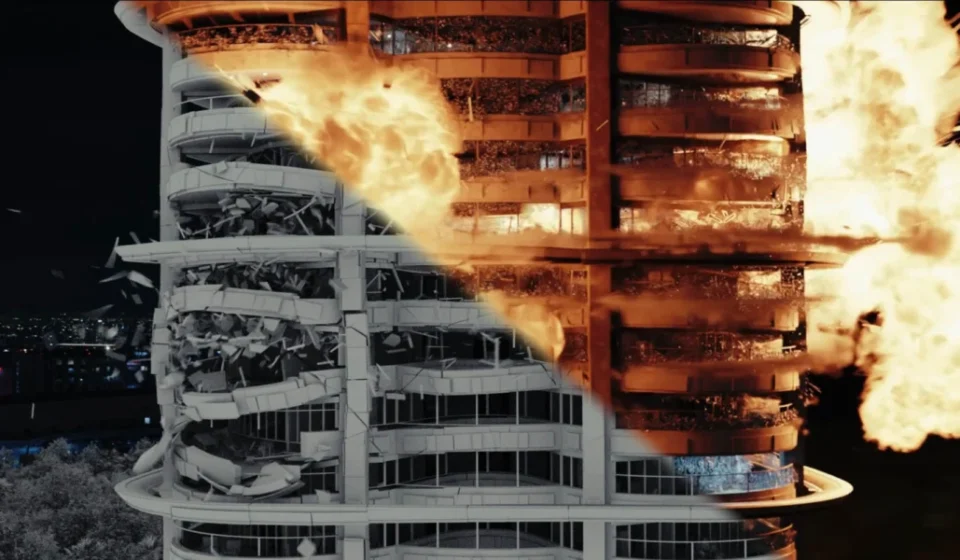
The standout sequence, a harrowing apartment tower collapse in the pilot episode, serves as the show’s calling card. Set in Rio de Janeiro but filmed against the backdrop of Mexico City, the production team faced the immediate challenge of authentic world-building. To pull off the collapse, the visual effects house RISE was tasked with creating two fully realized, 40-story CG towers that were indistinguishable from their real-world counterparts. The objective was to ground the audience in a believable reality before shattering it, ensuring that the destruction felt like a tragic, chaotic event rather than a pre-scripted CGI demonstration.
A Chronological Deep Dive: From Concept to Final Render
The production timeline for Man on Fire was rigorous, requiring a synchronized effort between the stunt teams in Mexico and the digital artists at RISE.

Phase 1: Establishing the Environment
Before any destruction could occur, the world had to exist. Because the series utilized Mexico City to double for Brazil, the VFX team was responsible for an extensive "environmental transformation." This involved more than just wide shots; it required a meticulous overhaul of street-level detail, including the replacement of signage from Spanish to Portuguese and the subtle adjustment of architectural nuances to match the Brazilian aesthetic. This "invisible" work provided the necessary foundation for the audience to buy into the show’s setting.
Phase 2: The Tower Collapse
The centerpiece of the first episode—the building collapse—was designed to feel "messy, violent, and uncontrolled." Lingenfelser emphasizes that the goal was to avoid the "clean demolition" look often seen in big-budget films. RISE developed a complex simulation pipeline that handled not only the structural failure of the towers but also the secondary debris and the dense, choking dust clouds that follow such a collapse. By focusing on the physics of the rubble rather than just the collapse of the frame, the team ensured the sequence carried real emotional weight.
Phase 3: The Learjet Sequence
The Learjet escape sequence represents one of the most technically demanding segments of the series. The process was multi-layered:
- Scanning: A real Learjet was rented to serve as the master reference for the CG model.
- Practicality: A partial aircraft buck was constructed for on-set filming. This allowed for physical interaction, such as a stunt performer jumping from a moving Jeep onto the aircraft.
- The "Upscale" Adjustment: To facilitate better camera movement and more dynamic fight choreography, the interior aircraft set was built 15% larger than the actual dimensions of a real Learjet.
- Digital Integration: RISE replaced the practical buck with a fully digital, battle-damaged aircraft for shots involving the engine explosion, the smoke trails, and the final, high-speed road landing.
Supporting Data: Technical Integration and Methodology
The success of Man on Fire lies in its "hybrid philosophy." Lingenfelser notes that the most effective shots were those where the digital and physical worlds were inextricably linked. For instance, the car flips seen in the series began as practical stunt photography. These were then enhanced with digital debris, secondary kinetic impacts, and physics-based lighting adjustments to ensure the final shot felt seamless.
The decision to use a wooden buck as a physical placeholder during the road landing sequence provided the production with crucial real-world lighting and framing data. By capturing the interaction of natural light on the buck, the compositing team at RISE was able to match the lighting of their fully CG, bullet-riddled Learjet with surgical precision. This approach—using the digital element as a "final polish" on a physical foundation—is what gives the action its tactile, dangerous quality.
Official Perspectives: The Philosophy of "Invisible" VFX
Kevin Lingenfelser’s approach to Man on Fire is rooted in the belief that the audience should never be aware of the "seams" in the VFX. "The key," Lingenfelser explains, "was making the buildings completely believable before their destruction, so the collapse would arrive as a genuine shock."
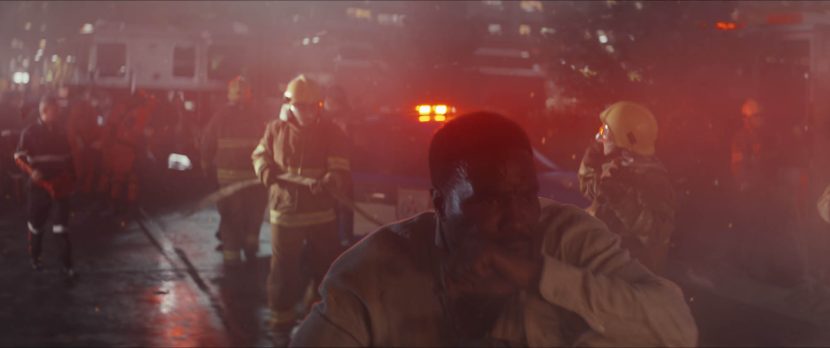
By prioritizing the "consequence" of the action—the rubble, the dust, the aftermath—the team ensured that the spectacle never felt disconnected from the story. The VFX are not merely decorative; they are integral to the pacing and the stakes. Whether it is a subtle continuity adjustment or a massive, multi-million dollar building collapse, every frame was scrutinized to ensure it served the emotional arc of the characters.
Implications for the Future of Episodic Television
The production of Man on Fire signals a shift in how television series are approaching large-scale action. The consolidation of the series into seven episodes allowed the creative team to concentrate their budget and resources into high-impact sequences that define the show’s identity.
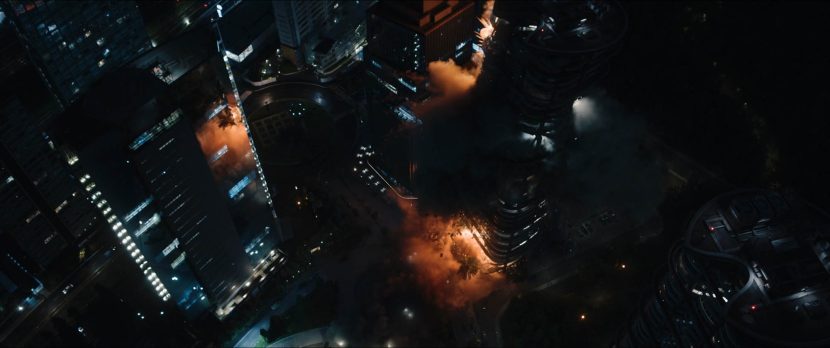
This model suggests that the future of premium streaming content lies in "feature-style action sensibility." By integrating practical stunts with high-end digital simulation, shows can maintain a sense of physical, grounded reality while still delivering the large-scale spectacle that global audiences expect.
Key Takeaways for the Industry:
- Preparation is Paramount: The use of real-world assets (like the Learjet scan) and physical placeholders (the wooden buck) is essential for bridging the gap between set and screen.
- Size Matters: Intelligently scaling sets (the 15% increase on the aircraft interior) can significantly improve the quality of action choreography without sacrificing realism.
- Invisible Work is Vital: The effort put into changing signage and environmental details creates a "texture" that allows the audience to suspend disbelief more effectively than any explosion ever could.
As Man on Fire continues to draw audiences, it stands as a testament to the power of collaboration between the director, the stunt coordinator, and the VFX supervisor. Kevin Lingenfelser’s work highlights that when digital tools are used to support, rather than replace, physical performance, the result is a viewing experience that feels faster, more dangerous, and undeniably more real. The series serves as a blueprint for future productions looking to push the boundaries of what is possible on the small screen.