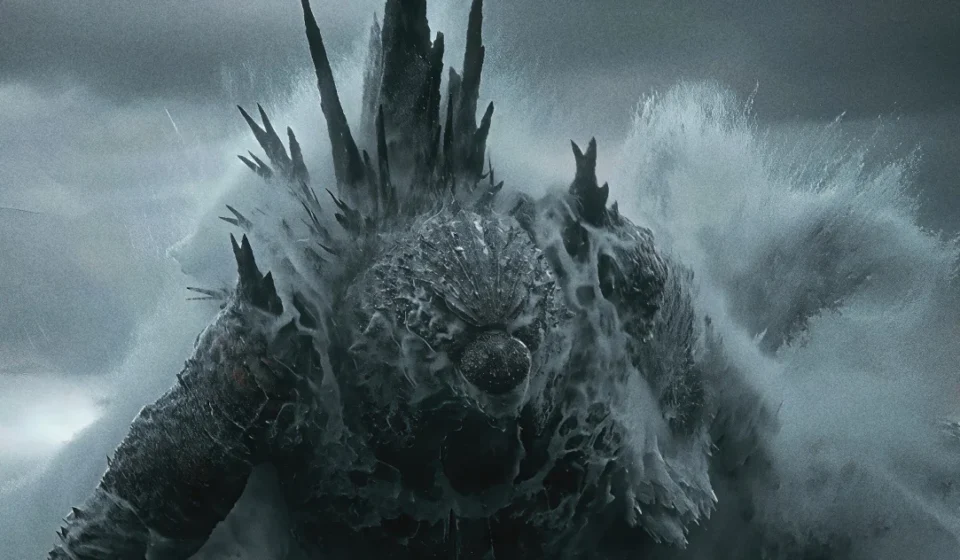
A Kaiju-Sized Milestone: How ‘Godzilla Minus Zero’ Shattered North American Box Office Records

The North American box office has long been considered a fortress for domestic, English-language blockbusters. However, in a seismic shift that has sent shockwaves through the industry, Godzilla Minus Zero has effectively rewritten the rulebook for international distribution. Over its opening weekend, the film raked in a staggering $31.6 million, a figure that nearly triples the domestic debut of its 2023 predecessor, Godzilla Minus One.
This performance is not merely a statistical outlier; it represents the most successful live-action foreign-language film debut in North American history. By leveraging a potent mix of prestige positioning, premium-format exclusivity, and an evolving consumer appetite for subtitles, Godzilla Minus Zero has proven that the King of the Monsters is more than just a cultural icon—he is a modern, high-earning, global box-office force.
The Chronology of a Comeback: From Niche to Necessity
To understand the triumph of Godzilla Minus Zero, one must trace the recent history of Toho’s management of its most valuable asset. The trajectory began in earnest with the 2023 release of Godzilla Minus One. That film, which grossed $57 million in North America, served as the proof-of-concept that Japanese-produced Godzilla films—long relegated to cult status or limited art-house runs—could achieve genuine mainstream penetration.
Following the 2025 acquisition of GKIDS by the Japanese media giant Toho, the synergy between the two entities became the engine for this current success. GKIDS, an organization founded in 2008 and traditionally celebrated for its curation of foreign-language animation and Studio Ghibli titles, found itself perfectly positioned to scale its operations.
The strategy was methodical:
- 2023: Godzilla Minus One establishes a beachhead in the North American market, proving the existence of a broad, cross-demographic audience.
- 2025: Toho acquires GKIDS, effectively creating an in-house pipeline for high-quality Japanese cinema.
- 2025 (Mid-Year): A strategic re-release of Shin Godzilla acts as a stress test for modern Japanese kaiju distribution in the U.S.
- 2026: The release of Godzilla Minus Zero arrives with the backing of a unified marketing force, building on the critical goodwill generated by its predecessors.
The Power of Premium: IMAX and the "Big Screen" Mandate
One of the most defining characteristics of the Godzilla Minus Zero release was its dominance in Premium Large Format (PLF) auditoriums. Dave Jesteadt, President of GKIDS, notes that Minus Zero was the first Japanese production to be explicitly filmed for the IMAX format.

"Everyone is saying, ‘You have to see it in the biggest screen possible with the best sound,’" Jesteadt told IndieWire. The numbers back this up: approximately 70 percent of the film’s opening weekend gross was derived from PLF screens, including IMAX, 4DX, and Dbox.
This creates a fascinating, albeit double-edged, dynamic. While the reliance on PLFs underscores the film’s status as a "prestige object," it also highlights a shift in consumer behavior. Audiences are no longer content with standard viewing for high-concept spectacles; they are demanding the immersive experience typically reserved for Hollywood’s $200 million tentpoles. For a subtitled foreign film to secure such high-end real estate is unprecedented, reflecting a newfound trust from theater chains in the drawing power of Japanese cinema.
The GKIDS Effect: Bridging the Cultural Divide
GKIDS has long been the primary gatekeeper for high-quality international animation in the United States. Under Jesteadt’s leadership, the distributor has cultivated a brand identity synonymous with excellence. When GKIDS moved into live-action with Godzilla, it brought with it a sophisticated understanding of audience engagement that transcended the typical "fanboy" marketing cycle.
"Anecdotally, so many people I know are like, ‘I took my dad to this movie and he doesn’t go to any subtitle movies,’" Jesteadt remarked. "Godzilla brings us together. If we’re spreading the gospel of foreign cinema, and Godzilla is a vehicle to get people to engage with great films and deep themes, then I’m all for it."
The strategy was to lean into the film’s "prestigious bona fides." By premiering at the New York Film Festival, the film was positioned not as a genre B-movie, but as a piece of serious cinema. This was a direct contrast to the industry trend of summer blockbusters receiving lukewarm critical receptions; by the time Minus Zero hit theaters, it already carried the weight of critical acclaim, transforming it into a "must-see" cultural event.
Implications for the Future of Global Cinema
The success of Godzilla Minus Zero raises fundamental questions about the future of the American film market. Are we witnessing the slow erosion of the "subtitles barrier"?

1. The Younger Generation’s Shift
The data suggests that younger viewers are increasingly agnostic regarding the language of their entertainment. Raised on a diet of international streaming content, anime, and social media-driven global discourse, the modern audience does not view subtitles as a chore, but as a standard component of the viewing experience. As Jesteadt notes, "At first, dubs were essential; now, they’re not."
2. The Universalism of "Specific" Storytelling
There is a profound irony in the film’s success: by leaning into the authentic, Japanese-specific post-war themes of the Minus franchise, the film actually achieved greater universality. Because the story is rooted in a specific time and place, it feels "lived in" and grounded. In an era of homogenized Hollywood blockbusters, this specificity has become a competitive advantage.
3. The Digital Conversation
The role of social media in bridging cultural gaps cannot be overstated. Real-time translation and the ability for fans in Tokyo to interact directly with fans in Los Angeles have created a global feedback loop. This "constant conversation" ensures that films are no longer released into a vacuum; they are launched into a pre-heated, global discourse.
Conclusion: A New Era for the King of the Monsters
While some might ask if a Japanese-produced Godzilla film will eventually outgross its American counterparts in the North American market, Jesteadt remains focused on the broader health of the franchise. The goal isn’t to replace the Western version, but to contribute to a diverse, multi-flavored "Godzilla" universe that keeps the character relevant.
The triumph of Godzilla Minus Zero is a victory for the "middle-class" of cinema—films that are neither small, niche art-house projects nor billion-dollar superhero sequels. It is proof that audiences are hungry for spectacle that comes with substance, and that they are willing to cross language barriers to find it. As the industry looks toward the future, the Godzilla model may well become the blueprint for how international distributors navigate the high-stakes, high-reward landscape of the modern American box office.
For now, the message is clear: the monster is here to stay, and he speaks to a global audience in every language.