Cinematic Visions and Global Realities: A Deep Dive into the Ji.hlava Documentary Film Festival 2026

The curtains have closed on the 2026 edition of the Ji.hlava International Documentary Film Festival, a landmark event that once again cemented its reputation as a crucible for bold, unconventional, and politically resonant nonfiction cinema. As the premier showcase for documentary arts in Central and Eastern Europe, this year’s festival offered a kaleidoscopic view of the human condition, ranging from the intimate grief of orphaned children in conflict zones to the experimental, multi-sensory intersections of art and activism.
The Pinnacle of Excellence: Opus Bonum and Major Winners
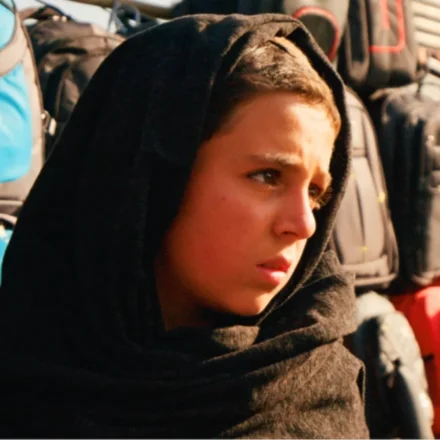
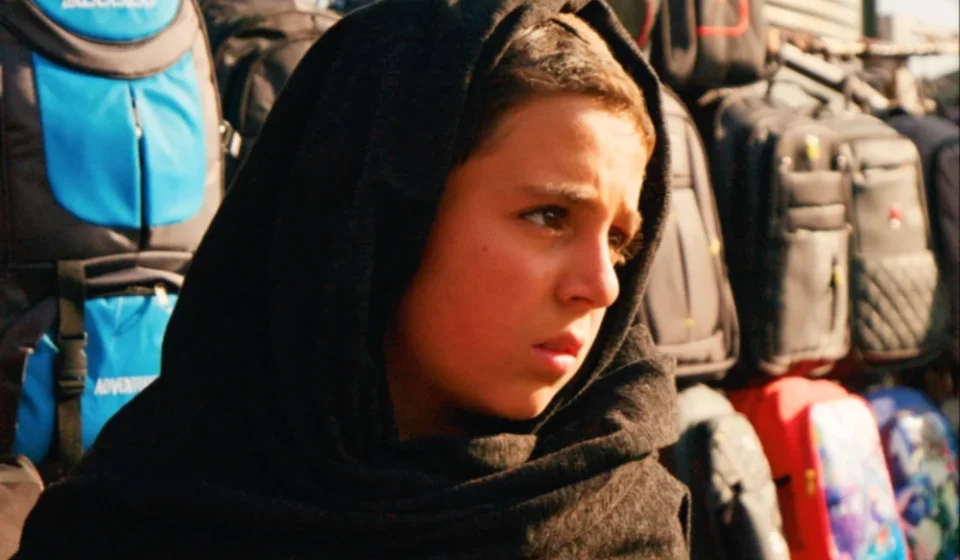
The festival’s prestigious Opus Bonum section—the competitive heart of the event—awarded its top honors to James Longley’s Mohabat. A staggering work of observational documentary, the film chronicles the life of a 12-year-old boy whose existence is irrevocably fractured by a drone strike that claims his father’s life. Produced in collaboration with Mohammad Sharif Hotak and Academy Award-winning filmmaker Alex Gibney, Mohabat serves as a stark, humanizing counter-narrative to the depersonalized headlines of modern warfare.
The jury, in their official statement, lauded the film for its "complex and sympathetic portrait of an individual, a family, and a community," noting that Longley eschews the "customary clichés" that often plague films about victims of conflict. Instead, the film prioritizes the "routines and rhythms" of daily life, transforming the mundane into a profound meditation on resilience. The jury characterized the work as "meticulously researched and exquisitely crafted," marking it as a defining piece of nonfiction storytelling for the year.
While Mohabat took the top prize, the Opus Bonum section also spotlighted other significant achievements. Elvis A-Liang Lu’s Songs From Within garnered both a special mention and the award for Best Editing, while Nona Giunashvili’s Sacred Songs was honored as the Best Central and Eastern European Documentary.
Testimonies and the Legacy of Barbara Hammer
The "Testimonies" section, which focuses on films that engage with political, societal, and historical truth-telling, crowned Brydie O’Connor’s Barbara Forever as its winner. A poignant tribute to the late multidisciplinary artist and activist Barbara Hammer, the film is a masterclass in weaving personal history with larger social narratives.
The jury’s citation praised the film for its fearless approach to complex, often taboo subjects: "lesbian and female emancipation, aging, and terminal illness." O’Connor’s directorial vision, which incorporates experimental footage shot by Hammer herself over five decades, creates a bridge between the personal and the universal.
In a touching reflection on the film’s reception, O’Connor shared a story that underscored the power of documentary as a tool for empathy. "After one screening, a woman from Texas approached me," O’Connor recounted. "She had never heard of Barbara Hammer, and she wasn’t queer. But she told me that her father was at the very end of his life and kept telling the family he was at peace. Seeing this movie finally helped her understand what he was feeling." This anecdote perfectly encapsulates the mission of the Testimonies section—to use the camera as an instrument of connection that transcends cultural, sexual, and generational boundaries.
Honoring a Visionary: Trinh T. Minh-ha
The festival’s Contribution to World Cinema Award was bestowed upon the esteemed Vietnamese-American filmmaker and theorist Trinh T. Minh-ha. A titan in the field of experimental documentary and post-colonial cinema, Trinh’s presence at Ji.hlava served as a highlight for attendees and scholars alike.
Currently in production for her upcoming feature The Undying Desert—her first film set entirely within the United States—Trinh discussed the philosophy that has guided her decades-long career. She spoke candidly about the necessity of maintaining artistic integrity in the face of institutional pressures. "You set up the rules for yourself," she told Variety. "I’m very glad that I was able to stick with the path I chose and not be intimidated by all these oppressive regulations."

Trinh’s work is famously resistant to traditional "documentary" structures. She challenges the audience to experience film not as a linear message, but as a sensory immersion. Reflecting on her seminal work Reassemblage, she recalled an audience member who claimed to be "hearing the film with their eyes and seeing it with their ears." For Trinh, this is the ideal state of viewership. She advocates for a cinema where the senses overlap—where the painter, the musician, and the poet coexist within the frame. "It’s better to come with an open mind and see how it speaks to you," she noted, "rather than focusing on what constitutes a ‘good documentary’ or what its story or message is."
The First Lights and Czech Joy: Nurturing New Voices
The festival remains deeply committed to fostering emerging talent. The "First Lights" section saw Philipp Fröhlich take the main award for After the Rehearsal, while Dominika Kovářová’s Elusiveness of Today was celebrated for its eloquent play of light and its ability to traverse the boundary between the physical confines of an elderly woman’s life and the "boundless jam of her mental universe."
On the domestic front, the "Czech Joy" section—which focuses on the best of local documentary production—recognized Martin Páv for Glowing. Additionally, the experimental category "Exprmntl.cz" awarded the top prize to Klára Trsková and Anežka Horová for On the Peaks of All the Beech Mountains. The jury specifically praised the film for its "political courage in recalling one of the many dark chapters in our contemporary history" and its unflinching denouncement of ethnic cleansing.
Implications for the Future of Documentary Film
As the Ji.hlava festival concludes, several key trends emerge. First, there is a clear shift toward sensory-driven, non-didactic storytelling. Filmmakers are increasingly moving away from the "voice-of-god" narrator in favor of observational intimacy and poetic abstraction. Whether through the lens of personal trauma (as in Mohabat) or the radical reclamation of queer history (as in Barbara Forever), the documentaries honored at Ji.hlava share a common thread: they invite the audience to bear witness to truths that are often buried under the noise of modern life.
Secondly, the festival highlighted the enduring importance of technical craft. The specific awards for sound design, cinematography, and editing—given to films like 19th Floor and Anatomy of a Crash—serve as a reminder that the impact of a documentary is inherently tied to its aesthetic execution.
Finally, the festival’s recognition of figures like Trinh T. Minh-ha signals a growing appreciation for the "intellectual documentary"—works that require a deep, contemplative engagement from the viewer. As the industry grapples with the proliferation of content in the digital age, Ji.hlava stands as a bastion for cinema that demands time, focus, and a willingness to be transformed.
Summary of Award Recipients
The breadth of the 2026 winners list underscores the festival’s diverse scope:
- Opus Bonum (Main Award): Mohabat (James Longley)
- Testimonies (Main Award): Barbara Forever (Brydie O’Connor)
- First Lights (Main Award): After the Rehearsal (Philipp Fröhlich)
- Czech Joy (Main Award): Glowing (Martin Páv) and Land of Fire (Nikola Klinger)
- Exprmntl.cz (Main Award): On the Peaks of All the Beech Mountains (Klára Trsková and Anežka Horová)
The success of the 2026 Ji.hlava Documentary Film Festival serves as a vibrant testament to the health and vitality of the nonfiction form. By platforming stories that are as aesthetically daring as they are ethically grounded, the festival has ensured that the documentary remains one of our most potent tools for understanding the world—and our place within it. As the industry looks toward 2027, the echoes of these films will undoubtedly continue to resonate, challenging filmmakers to push boundaries and viewers to keep their senses open.