The Last Laugh: How ‘The Comeback’ and ‘Hacks’ Are Defining the Final Frontier of TV Satire

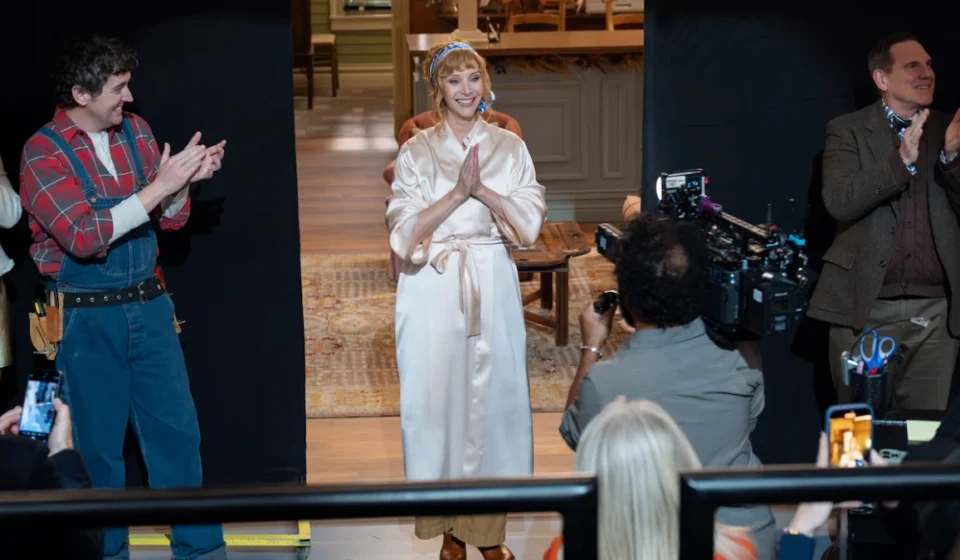
For two decades, The Comeback has functioned as television’s most uncomfortable mirror. Created by Michael Patrick King and Lisa Kudrow, the HBO series first debuted in 2005, arriving as a lacerating, cringe-inducing satire of the burgeoning reality television industrial complex. It captured the desperate, humiliating arc of Valerie Cherish—a former sitcom star clawing for relevance—at a moment when the industry was beginning to pivot toward the low-cost, high-drama, tabloid-friendly reality format.
Today, as the curtains close on the show’s definitive third and final season, the landscape of television has shifted from the rise of reality TV to the existential anxiety of the artificial intelligence era. Alongside the ongoing, critically lauded HBO Max series Hacks, The Comeback finds itself part of a duopoly of showbiz satire that does more than just mock Hollywood—it interrogates the very survival of human creativity.
The Chronology of a Cult Classic
To understand the significance of The Comeback’s conclusion, one must look at the timeline of its sporadic existence. When it premiered in 2005, the show was ahead of its time, perceived by many as too caustic or "too real" for a mainstream audience raised on traditional sitcom tropes. It was canceled after one season, only to gain a legendary cult following as the industry caught up to its cynical sensibilities.
HBO revived the show in 2014, a year defined by the dawn of the "streaming wars." By then, reality TV had moved from a novelty to the backbone of the industry, and "prestige" television was becoming a crowded, diluted market. Twelve years later—following a global pandemic, two industry-shattering labor strikes, and massive corporate consolidation—Kudrow returns for a final chapter that feels less like a reunion and more like a warning.
Supporting Data: The AI Dilemma in Modern Sitcoms
In this final season, Valerie Cherish books the lead role on How’s That?!, the first sitcom written entirely by artificial intelligence. The premise is a terrifyingly plausible reflection of current industry fears regarding Generative AI.
The data points surrounding this plotline are rooted in the recent labor disputes in Hollywood. The writers’ strike of 2023 was centered largely on the fear that human authorship would be rendered obsolete by algorithms capable of scraping decades of television archives to synthesize "original" content. In the show, the AI, dubbed "Allassist," functions by plagiarizing the very veterans who are performing the material.
- The Creative Erosion: The script’s output is described as "stale," relying on the statistical probability of jokes rather than the subversion of expectations.
- The Economic Impact: The show highlights a grim reality—production budgets are drying up, and the temptation to replace writers with automated machines is no longer a sci-fi fantasy, but a budgetary "efficiency" move for tech-funded networks like the show’s fictional "NuNet."
The Mirror Effect: Valerie Cherish vs. Deborah Vance
If The Comeback is the dark, mockumentary-style progenitor of the modern industry satire, Hacks is its polished, maximalist spiritual sibling. Creators Lucia Aniello, Paul W. Downs, and Jen Statsky have crafted a narrative that, while tonally different, occupies the same thematic space: the struggle of the female icon against a system that deems them "expendable."
The Parallels
Both Valerie Cherish and Deborah Vance (Jean Smart) represent an endangered species of television history. Their arcs are defined by:
- The Glass Ceiling: Deborah’s fight for late-night dominance and Valerie’s fight to maintain her dignity on a tech-controlled soundstage are both battles against the systemic sexism and ageism that plague the entertainment industry.
- The Non-Compete Cage: In the latest season of Hacks, Deborah is sidelined by a restrictive contract—a plot point that resonated deeply with audiences when it aired shortly before real-world news broke regarding the cancellation of legacy late-night staples, highlighting how corporate censorship and shifting business models are silencing voices before they are ready to go.
- The AI Bogeyman: In Hacks, the threat of AI is represented by "QuikScribbl," a platform that attempts to license Deborah’s likeness and material. The show uses this as a platform for biting dialogue—specifically, a monologue by Ava (Hannah Einbinder) that dismantles the "inevitability" of AI, framing it not as a technological evolution, but as a marketing ploy by those selling the tech.
Official Responses and Industry Reception
The industry reaction to these portrayals has been one of quiet, if uneasy, recognition. Legendary director James Burrows, who appears as himself in The Comeback, delivers the season’s thesis statement: "Surprising only comes from a group of writers huddled in a corner, beating themselves up to beat out a better joke."
This sentiment is echoed by the creative teams behind both shows, who argue that the "efficiency" of AI-generated content is a direct antithesis to the collaborative friction that creates high-quality art. The industry’s shift toward streaming-based metrics has led to a climate where, as noted in the show, a computer can replace a writer’s labor, but it cannot replicate the human experience that makes a performance resonate with an audience.
Implications: The Future of Comedy and the Emmy Race
As we look toward the upcoming awards season, the pitting of The Comeback against Hacks in the Emmy race is more than a competition between two shows—it is a referendum on the state of the medium.
Hacks enters the conversation with a massive pedigree, having secured multiple wins for Jean Smart and a Best Comedy Series victory. The Comeback, meanwhile, has always been the underdog, a show whose influence far outweighs its trophy count. However, the stakes for this year’s Emmy race are elevated by the current climate of "corporate contraction."
The implication is clear: the industry is currently in a state of flux where the "prestige" model of the 2010s is being replaced by a tech-first approach. If Hacks or The Comeback takes home the prize, it will be a symbolic victory for the human-centric storytelling that both shows have spent their final seasons defending.
Conclusion: A Comedy-Fueled Resistance
Ultimately, there is a profound, underlying optimism in both The Comeback and Hacks. Despite the bleak, often humiliating circumstances their protagonists face, the shows suggest that the human element—the stubborn, self-obsessed, brilliant, and flawed nature of the performer—cannot be automated away.
Valerie and Deborah are survivors. They have lived through the transition from analog to digital, from broadcast to streaming, and now from human to algorithmic. By documenting their struggles with such emotional depth, these shows provide a form of "comedy-fueled resistance." They remind the viewer that behind every laugh track and every viral clip is a person, a writer, and a team of artists who have fought to make something that isn’t just "content," but a piece of culture. As the curtain falls on Valerie Cherish’s final act, the industry is left with a stark choice: continue to chase the efficiency of the machine, or return to the messy, human, and ultimately indispensable work of telling real stories.