Bridging Realities: How VFX Supervisor Betsy Paterson Conquered the Final Season of ‘Stranger Things’

The conclusion of the Duffer Brothers’ Stranger Things is more than just a television finale; it is a landmark technical achievement in modern visual effects (VFX). For the show’s fifth and final season, lead visual effects supervisor Betsy Paterson oversaw a massive, three-year undertaking that sought to dismantle the artificial divide between "practical" filmmaking and "digital" wizardry. In a candid interview for the latest fxpodcast, Paterson details how her team navigated the impossible: making the Upside Down feel as tangible as a kitchen table, while ensuring the series’ most iconic monsters felt like they were truly breathing down the necks of the cast.
The Philosophy of the Inevitable Hand-off
For years, a pervasive narrative has haunted the film industry: the idea that "real" movies are made on set, while "digital" movies are made in computers. Paterson argues that this binary is a false, and ultimately unhelpful, fiction. Stranger Things has never had the luxury of being entirely practical; its lore—filled with interdimensional rifts, hive-mind monsters, and reality-warping villains like Vecna—demands the heavy lifting of modern VFX.
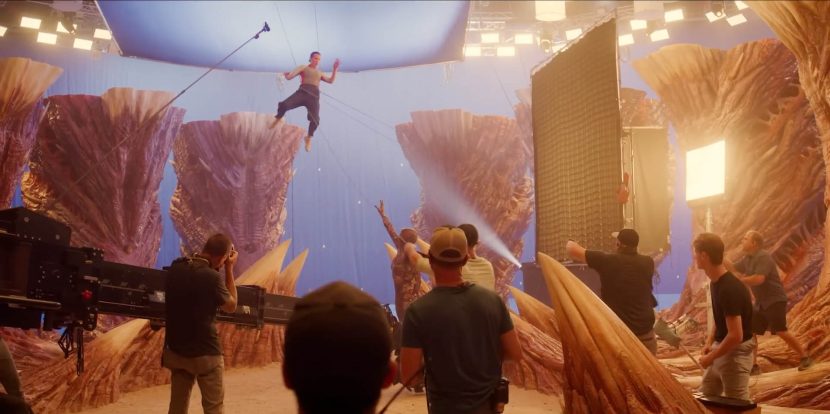
Paterson’s mandate for Season 5 was not to choose between physical and digital, but to harmonize them. Her role was to identify the exact point where a physical prop or stunt ended and a computer-generated asset began, ensuring that the transition was invisible. By spending a full year in pre-production, Paterson and her team worked to ensure that every department—from stunts and production design to hair and makeup—provided the VFX artists with the highest quality "concrete" starting points.
A Chronology of Collaboration: From Previs to Final Grade
The production process for Season 5 was an exercise in rigorous planning. It began with the scripts, where Paterson assessed every sequence for its "risk level." Following this, the team moved into extensive pre-production:
- Pre-visualization (Previs): This became the common language of the set. By blocking out the monsters’ scale and movement early, the production ensured that when the cameras rolled, the actors were running in the right direction, and the camera movements aligned with the digital creatures yet to be added.
- On-Set Integration: During the shoot, the team utilized augmented reality (AR) tools. In the sprawling final quarry battle, crew members could view the CG creature at scale through an iPad, allowing them to time practical effects—like sand bursts and air hits—to match the digital creature’s footfalls.
- Post-Production Pipeline: Once filming wrapped, the work moved to elite houses like Wētā FX and ILM, with additional support from Rodeo FX, Eyeline, BigHug FX, and BOT VFX.
- The Final Grade: Unlike many productions where color grading is an afterthought, the colorist was integrated into the team from the beginning. By working in the same facility, the team could apply LUTs (Look-Up Tables) to VFX shots during the render process, ensuring that the lighting on digital monsters perfectly matched the moody, color-drenched cinematography of the Upside Down.
Supporting Data: The Complexity of Vecna and Young Will
Two of the season’s most significant technical challenges were the presence of the antagonist Vecna and the de-aging of the character Will Byers.
The Vecna Paradox
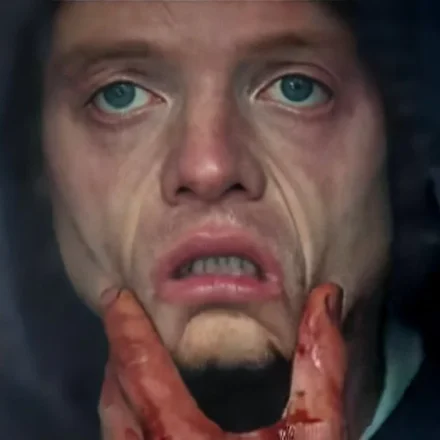
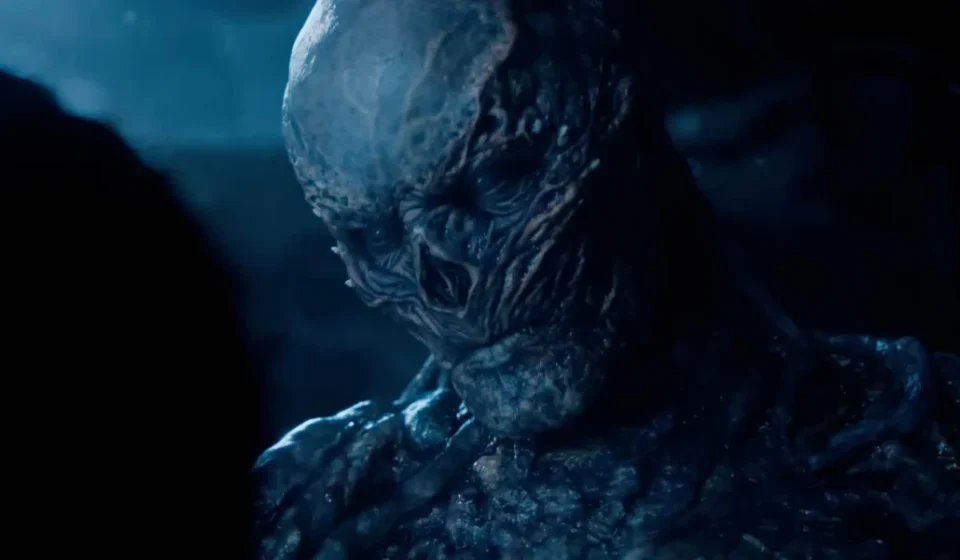
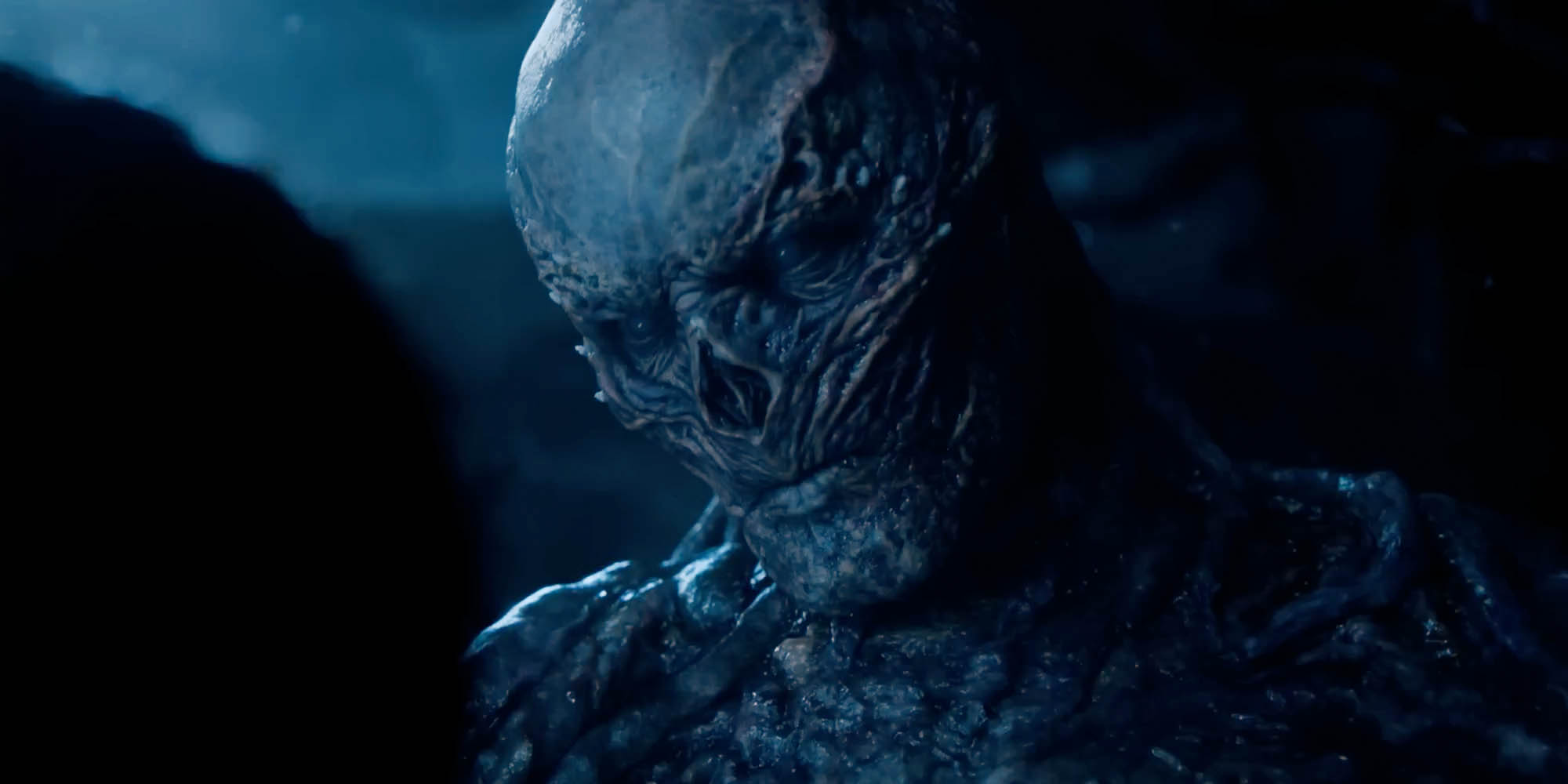
While a purely digital Vecna would have been technically efficient, it would have lacked the soul of actor Jamie Campbell Bower’s performance. To preserve this, the production chose a hybrid approach. Bower performed on set in a suit designed with minimal tracking marks.
Paterson noted that Bower’s presence—complete with custom shoulder and underarm padding to enhance his silhouette—gave the other actors a genuine, terrifying presence to react to. While this required Wētā FX to undertake massive digital replacement work, it was an investment in performance. The result is a character that feels physically imposing because the cast was physically intimidated during the shoot.
The "Young Will" Challenge
The most daunting task on Paterson’s "risk list" was the return to young Will. The audience is intimately familiar with Noah Schnapp’s face from the early seasons, meaning any "VFX face" would be subject to intense scrutiny. The team cast a younger performer, Luke, to provide the body and base performance.
To ensure the digital recreation was flawless, the production employed:

- Multi-Camera Capture: Two witness cameras on the main rig and four additional units around the set.
- Data Archiving: Every frame of Season 1 footage, outtakes, and publicity material was digitized for reference.
- The Mouth Test: Paterson identified the mouth—specifically the complex muscle transitions during speech—as the final hurdle for believability. Once the team successfully rendered a shot of young Will singing, they knew they had achieved the necessary level of photorealism.
Official Responses and Industry Impact
Paterson emphasizes that the success of these effects is not measured by the "wow" factor of a CGI shot, but by the immersion of the viewer. "If it helps [the monster] feel like he is really in the room, that is worth it," she explains. This approach extended to seemingly minor details: glass walls in the laboratory were designed to be removable or tiltable, allowing the team to choose between real reflections and digital ones on a shot-by-shot basis.
The industry response to this level of integration has been one of admiration. By resisting the temptation to rely on "fix it in post" methodologies, the Stranger Things team proved that the best digital effects are built on a foundation of physical reality.
Implications for Future Filmmaking
The legacy of Stranger Things Season 5 will likely be the shift in how "hybrid" productions are managed. The "small loops" between departments—the gimballed glass, the sandbag markers, and the scuba-style mouthpieces for actors—are lessons for the next generation of filmmakers.

The implication is clear: technology should not be used to replace the craft of the set, but to extend it. When directors, cinematographers, and VFX supervisors speak the same language from the script phase through to the final color grade, the "digital-practical divide" ceases to exist.
As streaming services and studios continue to push the boundaries of what is possible on a television budget, the Stranger Things model provides a blueprint for success. It suggests that even in a world of infinite digital possibility, the most effective tool in a VFX supervisor’s kit remains the ability to coordinate a diverse team toward a single, cohesive vision of reality.
For the complete, in-depth discussion on the technical workflow and the specific challenges of the season, listeners can tune into the full fxpodcast conversation with Betsy Paterson.