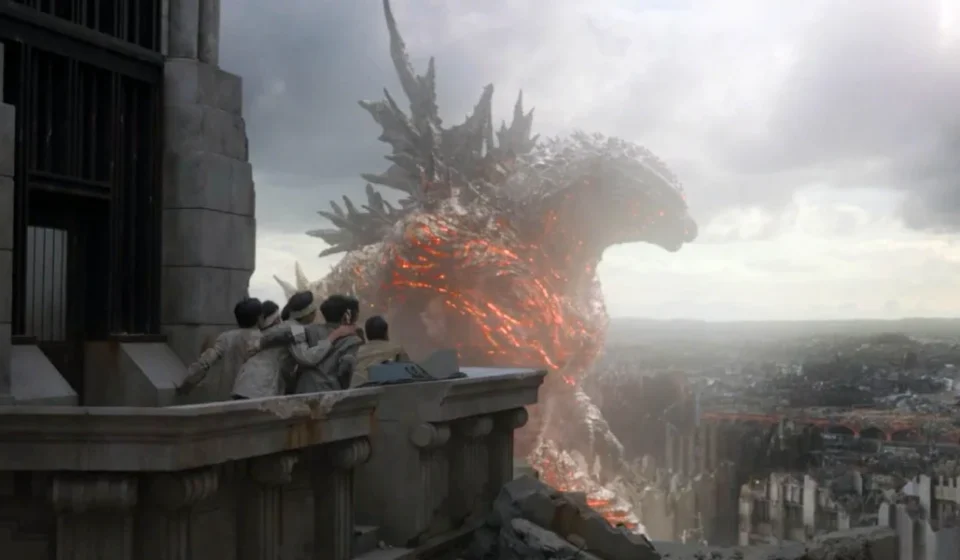
Beyond the Shadow of the Bomb: Deconstructing the VFX and Cultural Weight of Godzilla Minus Zero

The kaiju genre has long served as a cinematic mirror to humanity’s deepest anxieties, but few franchises have managed to balance the spectacle of city-leveling destruction with the somber reality of post-war trauma as effectively as the modern iteration of the Godzilla series. In the latest episode of The VFXShow, hosts Mike Seymour, Matt Wallin, and Jason Diamond turn their analytical lens toward Godzilla Minus Zero, the highly anticipated successor to the Academy Award-winning Godzilla Minus One.
This installment is not merely a technical breakdown; it is a profound exploration of how Japanese cinema continues to grapple with the legacy of the atomic age, juxtaposing the visceral thrill of monster combat with a grounded,, deeply human perspective on the aftermath of World War II.
The Main Facts: A Dual-Track Narrative
Godzilla Minus Zero arrives with the burden of following a critical and commercial phenomenon. The film maintains the narrative thread established by director Takashi Yamazaki, who has become the architect of this new, darker Godzilla continuity. The core of the film’s success lies in its ability to reconcile two seemingly opposing forces: the high-octane, modern visual effects suite required for a global blockbuster and a thematic commitment to the "grounded" Japanese perspective on nuclear annihilation.
The podcast panel highlights how the film deliberately echoes the cultural discourse sparked by Christopher Nolan’s Oppenheimer. While the latter approached the dawn of the nuclear era from the perspective of the creators, Godzilla Minus Zero focuses on the recipients—the survivors in a nation shattered by conflict, attempting to rebuild while facing an existential threat that is, in itself, a living embodiment of atomic fallout.

Chronology and Evolution of the Craft
To understand the visual language of Godzilla Minus Zero, one must trace the evolution of the series’ aesthetic. The VFX team, under Yamazaki’s direction, has opted for a "best-of-both-worlds" philosophy.
The Synthesis of Old and New
The production team utilized a sophisticated hybrid approach to visual storytelling:
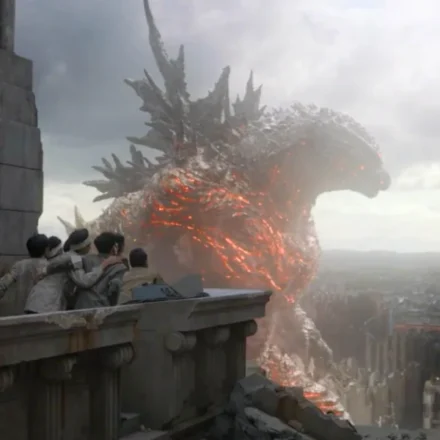
- Photorealistic Simulations: The film features cutting-edge digital artistry, particularly in its large-scale fluid simulations. The ocean sequences—often the most difficult elements to render in VFX—are treated with a level of realism that serves to emphasize the monster’s sheer displacement of the natural world.
- The Retro-Modern Aesthetic: Paradoxically, the film leans into "retro" sensibilities. By utilizing miniature-style vehicle sequences and intentional "flat" or green-screen compositing, the production evokes the nostalgia of classic Toho films from the mid-20th century. This is not a lack of technical prowess; it is a stylistic choice. By blending theatrical framing with digital enhancements, the film captures the "soul" of the rubber-suit era while operating within the precision of the modern digital pipeline.
The Rise of King Ghidorah
A significant portion of the discussion is dedicated to the design and choreography of the film’s primary antagonist: King Ghidorah. The hosts dissect the technical hurdles of animating a multi-headed entity, specifically:
- Regeneration Mechanics: The visual logic of the creature’s multi-stage head regeneration, requiring complex rigging and texture mapping to ensure fluid transitions between states.
- Gravity-Defying Physics: Ghidorah’s movement, which defies traditional terrestrial mechanics, presented a challenge in balancing "believable weight" with the "dynamic combat physics" required for a high-stakes cinematic showdown.
Supporting Data: Budgetary Ambition and Technical Realities
One of the most compelling aspects of the Godzilla Minus Zero production is its fiscal efficiency. In an era where Hollywood blockbusters often swell to budgets exceeding $300 million, the Japanese production team has achieved a level of visual fidelity that challenges these massive expenditures.

The hosts analyze how the film’s "fractional" budget necessitates a more disciplined approach to pre-visualization and asset management. By relying on highly stylized, theatrical staging, the production avoids the "uncanny valley" trap that often plagues over-rendered, high-budget digital environments. The data suggests that when a director has a clear vision for the aesthetic—rather than relying on a "more is better" philosophy—the resulting image is often more impactful and tonally consistent.
Official Responses and Creative Intent
Director Takashi Yamazaki has been vocal about his intent to maintain a "theatrical" quality, even in a digital-first environment. His approach, as noted by the VFXShow panel, is rooted in the tradition of Japanese melodrama. The character tropes, which may strike some Western audiences as heightened or "anime-influenced," are presented by the hosts as essential components of the film’s DNA.
By framing the monsters as forces of nature that exist outside of traditional morality, Yamazaki allows the human characters to serve as the emotional anchor. The film is not just about the monster; it is about the "trauma of the atomic era" and the subsequent struggle to rebuild, both physically and psychologically. This narrative choice provides the necessary context for the spectacle, ensuring that when the destruction begins, the audience is emotionally invested in the survival of the protagonists.
Implications: The Resurgence of Theatrical Cinema
The conversation concludes on a broader note regarding the state of the industry. The success of the recent Godzilla films signals a shift in audience appetite.

The Enduring Appeal of the "Monster Clash"
There is a primal, undeniable thrill in seeing giant entities clash on a massive screen. Godzilla Minus Zero serves as a case study in how to keep this tradition alive in a streaming-dominated world. The implications are clear:
- Theatricality as a USP: Films that utilize the full scale of the cinema screen—with sound design and visual scope that cannot be replicated on a home television—are becoming the primary drivers of the theatrical experience.
- Global Cultural Exchange: The ability of a Japanese-produced film to resonate with global audiences highlights a breaking down of cultural barriers. The specific trauma of the post-WWII Japanese experience has become a universal shorthand for the fear of nuclear destruction.
Conclusion: A New Standard for Kaiju Cinema
Godzilla Minus Zero is more than a technical exercise; it is a masterclass in tone. By balancing the "retro" charm of the past with the "photorealistic" demands of the present, the film provides a blueprint for future monster movies.
As Matt Wallin, Jason Diamond, and Mike Seymour conclude, the film proves that visual effects are at their best when they serve the narrative, rather than overshadowing it. Whether it is the intricate rigging of Ghidorah’s heads or the somber, quiet moments of characters reflecting on their history, every frame of Godzilla Minus Zero is infused with intention.
For those interested in the deep-dive technical specifics, including the rendering workflows and the nuances of the film’s compositing, the full episode of The VFXShow is available on the fxguide YouTube channel and all major podcast platforms. As the industry looks toward the next wave of blockbusters, the lessons learned from Yamazaki’s latest work—budgetary discipline, stylistic bravery, and thematic weight—will undoubtedly influence the next generation of visual storytellers.

The VFXShow is hosted by Matt Wallin (mattwallin.com), Jason Diamond (thediamondbros.com), and Mike Seymour (fxguide.com). For more in-depth coverage of the visual effects industry, subscribe to the podcast on your favorite app.