The Architecture of Desire: Georgia Bernstein’s Night Nurse Reinvents the Psychosexual Thriller

In an era where independent cinema often gravitates toward the safety of established tropes and predictable narrative beats, Georgia Bernstein’s Night Nurse (2026) arrives as a jarring, essential correction. Premiering to critical intrigue at the Sundance Film Festival’s NEXT competition, the film is a masterclass in atmospheric tension, blurring the lines between caretaker and predator, victim and accomplice. As it approaches its wide release on July 10 via IFC, Night Nurse is already being hailed as a defining work of the new "suburban gothic" movement—a film that finds the grotesque in the mundane and the erotic in the terminal.
The Premise: A Languid Descent into Moral Ambiguity
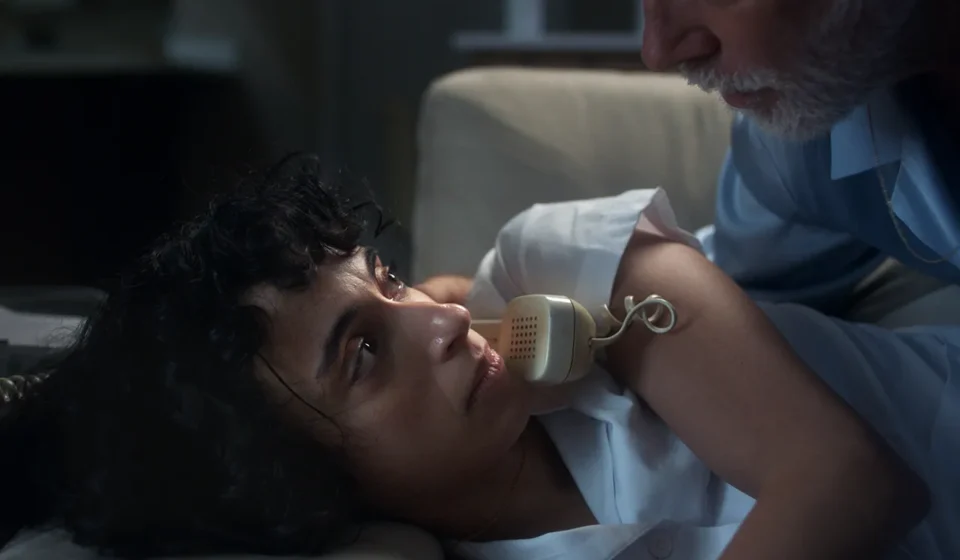
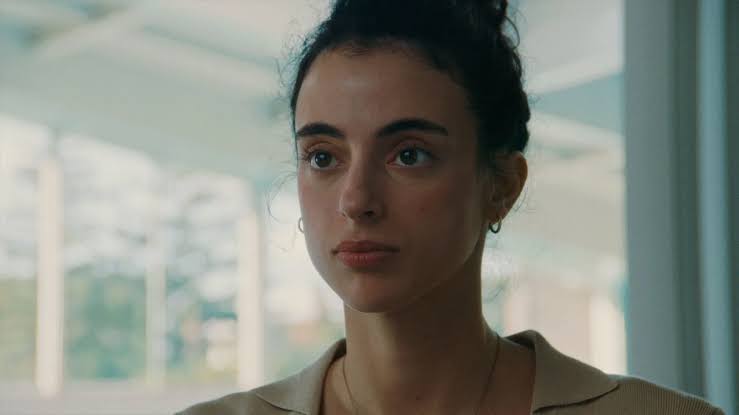
The film centers on Eleni (Cemre Paksoy), a young nurse beginning her tenure in a memory-care unit. Her nights are spent in the sterile, quiet orbits of elderly patients, most notably Douglas (Bruce McKenzie), a man currently undergoing evaluation for early-onset Alzheimer’s. What begins as a standard professional dynamic quickly devolves into a symbiotic, albeit illicit, partnership.
The two embark on a telephone scam, targeting other elderly individuals by posing as a distressed granddaughter in need of urgent financial assistance. However, the film is not a mere procedural about fraud; it is a profound study of human connection in the face of encroaching oblivion. Bernstein uses the scam as a conduit for a shared "sexual thrill," exploring the intoxicating power of being needed. As Mona (Eléonore Hendricks), another character, poignantly notes: "It feels good to mean something to somebody." It is this desperate, existential hunger that drives the film toward its most uncomfortable, yet undeniably human, conclusions.
Chronology of a Production: From the Classroom to the Screen
The genesis of Night Nurse is as unorthodox as the film itself. Rather than following the traditional route of pitch meetings and studio greenlights, Bernstein utilized the collaborative spirit of the Chicago independent film scene. Following her work as a producer on Alex Phillips’ Anything That Moves (2025), Bernstein found an unlikely incubator for her directorial debut: a classroom at Northwestern University.
Her producer, Eddie Linker, suggested using her screenplay as the primary subject for a film production course he was teaching. Alongside producer Veronica Barbosa, Bernstein spent the academic quarter teaching students the nuts and bolts of independent filmmaking—from forming an LLC and drafting budgets to navigating tax credits. By the end of the term, the project had secured its foundational pre-production work. This "community-led" approach allowed Bernstein to leverage local talent and resources, resulting in a film that feels deeply rooted in a specific, lived-in reality.
Supporting Data: Aesthetic Choices and Formal Rigor
Visually, Night Nurse defies the "low-budget" stigma through sheer technical discipline. Bernstein, working closely with cinematographer Lidia Nikonova, opted for a highly stylized visual language inspired by the likes of David Cronenberg, Atom Egoyan, and Rainer Werner Fassbinder.
The "Dolly" Aesthetic
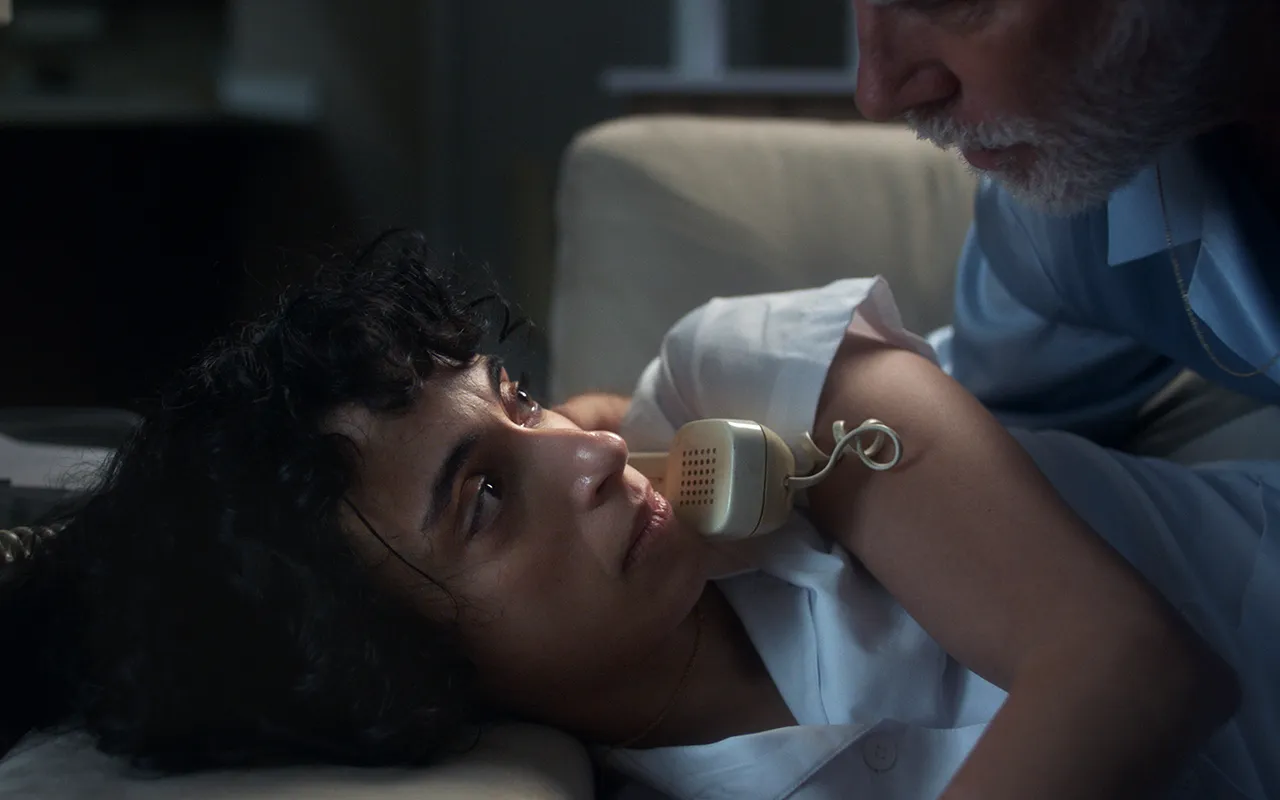
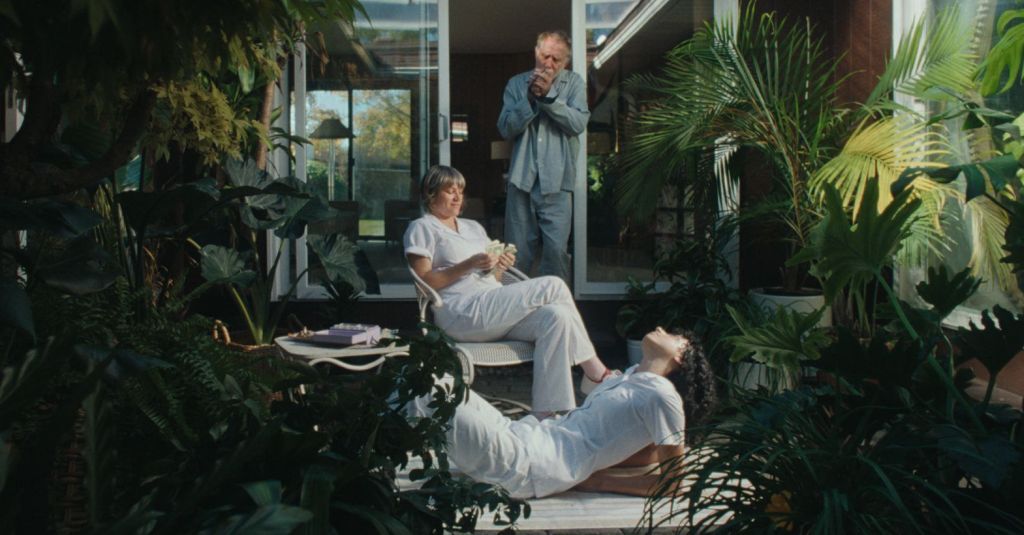
Perhaps the most significant creative decision was the choice to shoot almost the entirety of the film using a dolly rather than a Steadicam. Bernstein explains that the "weight" of the dolly—the mechanical ga-dunk of the movement—was essential to the film’s pacing. "I really wanted the movie to have that kind of pacing where it’s like you’re moving in slow motion," she notes. This forced a specific, deliberate movement from the actors, particularly Cemre Paksoy, whose character often traverses the carpeted floors of the memory-care unit by crawling, adding to the film’s disorienting, dreamlike quality.
Environmental Storytelling
The film was shot largely in Bernstein’s grandmother’s house. This was both a practical necessity and a thematic masterstroke. The house, with its 1970s-era wallpaper and reliance on landline telephones, creates a temporal vacuum. By excluding modern smartphones and contemporary technology, Bernstein ensures the audience remains unmoored from a specific year, heightening the sense of "suburban malaise" that permeates the narrative.
Official Perspectives: The Director on Influences and Intent
In conversation, Bernstein is quick to clarify that while her film shares DNA with the "Canadian psychosexual" tradition of Cronenberg and Egoyan, it is also a distinctly American, female-led exploration of power.
"I think what I love about Cronenberg is his pacing and his lighting," Bernstein says. "He doesn’t make [Toronto] a beautiful place; the film is beautiful, but the place is so gray. I tried to approach Chicago and suburbia in a similar way."
Addressing the inevitable comparisons to the 1931 Barbara Stanwyck classic of the same name, Bernstein admits the title was a bold choice. "It is not a remake," she asserts. Instead, she cites Roger Corman’s "nurseploitation" trilogy, specifically Stephanie Rothman’s The Student Nurses (1970), as a more direct thematic ancestor. By blending this exploitative history with a cerebral, Ballardian approach to character study, Bernstein creates something that feels both retro and avant-garde.
Regarding the controversial power dynamics between Eleni and Douglas, Bernstein points to the work of Catherine Breillat. However, she aims to subvert the traditional "young woman/older man" trope. "I thought, ‘Let’s push it to the extreme.’ As I pushed it and added these layers, it became more complicated. Who’s taking care of who? Who has the power?" This ambiguity, she argues, is the engine of the film.
The Sound of Circles: Compositional Strategy
The film’s score, composed by Steven B. Jackson and Samm Clapp, reinforces the narrative’s themes of repetition and entrapment. Drawing inspiration from David Shire’s score for The Conversation (1974), the music utilizes piano and flute to mirror the "endless circles" of the retirement community.
"I wanted the whole movie to feel like we were spinning in circles and that we would never get out," Bernstein says. By having the musicians record live to picture, she ensured that the score remained tethered to the rhythmic, hypnotic movements of the camera, allowing for improvisational flourishes that mirror the characters’ fluctuating mental states.
Implications: The Future of the "Indie" Model
Night Nurse stands as a testament to the viability of the "community-production" model. By integrating education, professional development, and artistic expression, Bernstein has created a blueprint for filmmakers operating outside the traditional studio system. The film’s success at Sundance and its impending wide release suggest that audiences are hungry for "difficult" cinema—films that don’t offer easy answers or moral comfort, but instead invite the viewer to sit with the discomfort of human desire.
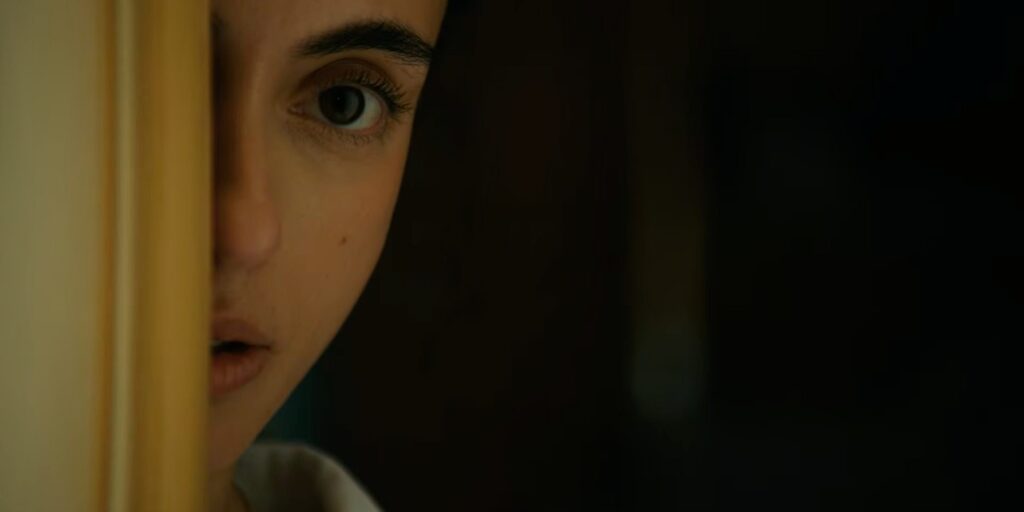
As we look toward the July 10 release, the implications for the genre are clear: the suburbs, the memory-care unit, and the landline telephone are not just domestic artifacts; in the hands of a visionary director, they are the stage for a new kind of psychological horror. Night Nurse is not just a film about a scam; it is a film about the terrifying, beautiful necessity of being needed, even when the person needing you is a stranger on the other end of the line.
With Night Nurse, Georgia Bernstein has not only announced herself as a major new voice in cinema, but she has also proven that the most profound stories are often found in the rooms we think we know best, filmed with the patience of someone who understands that time, like the characters in her movie, is merely a construct waiting to be dismantled.