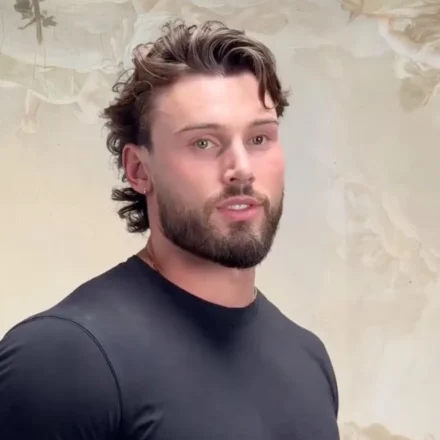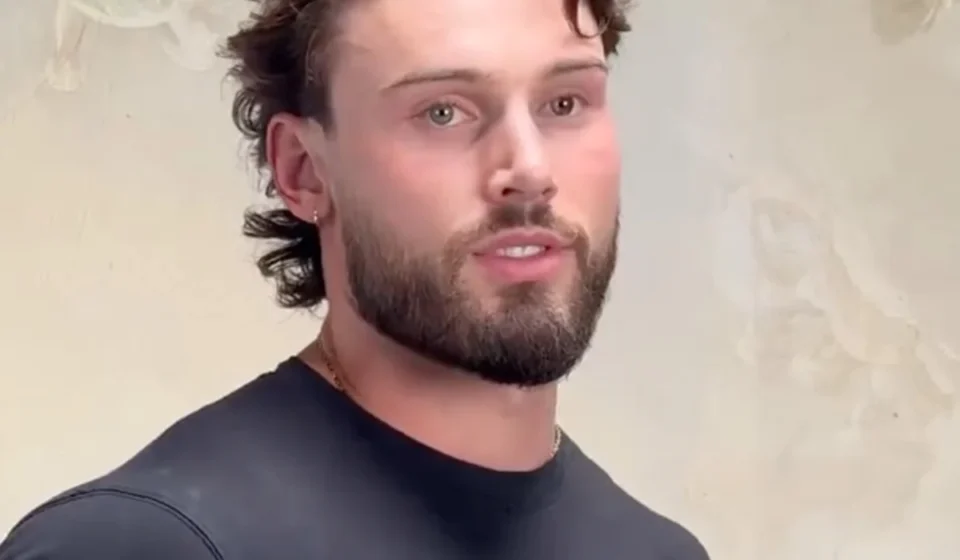

The digital world is mourning the loss of a prominent voice in the wellness community. Liam Fitzgerald, the 29-year-old lifestyle influencer who garnered a combined following of over 1.3 million across Instagram and TikTok, has died following a tragic motorcycle accident. The incident, which occurred in the early hours of October 30, has left his family, friends, and a global community of followers in a state of profound shock and grief.
Known for his high-energy workout routines, candid motivational content, and a transparent approach to the highs and lows of the human experience, Fitzgerald was more than just a social media personality; he was a source of inspiration for those seeking to improve their physical and mental well-being.
The Tragic Incident: A Chronology of Events
On the morning of October 30, the trajectory of Liam Fitzgerald’s life—and the lives of those closest to him—was irrevocably altered. Reports confirmed that Fitzgerald was involved in a severe motorcycle accident. Despite the immediate intervention of first responders and the desperate efforts of medical professionals to stabilize him, he succumbed to his injuries.
The news was officially confirmed by his girlfriend, Jamie Lyn Rinaldi, on October 31. In a poignant Instagram post, Rinaldi shared a photograph of the late influencer, accompanied by a message that underscored the suddenness and finality of the loss.
"He suffered severe injuries, and despite the efforts of those who tried desperately to save him, they were unable to bring him back," Rinaldi wrote. "There are no words to describe the heartbreak of this loss. This is an incredibly difficult and heartbreaking time for everyone who knew and loved him."
A Legacy of Authenticity: Supporting Data and Influence
Liam Fitzgerald’s rise to prominence was fueled by his commitment to "real" content. With a following of one million on Instagram and approximately 350,000 on TikTok, he occupied a significant space in the fitness and lifestyle niche. However, his influence extended beyond mere aesthetic fitness content.
Unlike many influencers who curate an image of perfection, Fitzgerald was vocal about his struggles. His family, in a collective statement released on November 1, highlighted his journey with alcohol, noting that he was open about his battles. By sharing his vulnerabilities, he hoped to reach others who might be suffering in silence.
"Liam had his own struggles, too," the family stated. "He battled with alcohol on and off and knew it was hurting him. This is shared in the hope that his story reaches someone who needs it. If you’re fighting that battle, please stay strong, reach out to your loved ones, and ask for help. You don’t have to fight alone. Keep going."
This transparency was a hallmark of his brand. His supporters were drawn not just to his physical transformation videos, but to his acknowledgment that he "never pretended to be perfect." This ethos of growth and accountability resonates as a central theme in the tributes currently flooding his comment sections.
Official Responses and Familial Tributes
In the wake of the tragedy, the Fitzgerald family—Penny, Natalie, Dermot, and Bethany—alongside Rinaldi, issued a heartfelt statement reflecting on the nature of his character. They characterized him as a "shining light" who possessed a unique ability to command the energy of any room he entered.
"He had a way of lighting up every room he walked into, a personality impossible to forget, and a heart that loved deeply," the statement read. "From family and friends to teammates, strangers, and people around the world, he inspired so many. He loved his people fiercely and would protect them with everything he had."
The family’s statement serves as a somber reminder of the life that lay ahead of him. At only 29, Fitzgerald had been actively planning his future, filled with ambitions that were cut short by the accident. The statement concluded with a universal call to action for his followers: "Hug your people tighter, tell them you love them, forgive when you can, and never assume you have more time."
A Relationship Reconciled: Jamie Lyn Rinaldi’s Perspective
Amidst the collective mourning, Jamie Lyn Rinaldi has navigated the challenge of processing her personal grief in the public eye. In a series of Instagram Stories posted on November 1, Rinaldi addressed the recent history of their relationship, seeking to provide context and silence potential speculation.
Rinaldi, 30, revealed that she and Fitzgerald had recently reconnected after a period of separation. "Ever since I got to Florida, Liam and I reconnected," she told her followers. "He apologized, wanted to make things right, and showed me every single day that he was willing to put in the effort to change. I love this man, and I chose to give him another chance. I forgave him, and we were working on building something beautiful together again."
The couple had intentionally kept their reconciliation private to protect the sanctity of their progress. "We spent so much time together and chose to keep our relationship private because social media can be overwhelming, and we wanted to focus on us without outside opinions," she explained. According to Rinaldi, the two had officially decided to resume their partnership just days before the accident, a fact that makes the loss feel particularly cruel.
"My heart is completely broken, and the last thing needed right now is judgement, assumptions, or speculation about our relationship," Rinaldi emphasized. "I loved Liam with all my heart. What we shared was real, it was special, and from day one, he had a place in my heart that nobody else could ever fill."
Broader Implications: The Digital Culture of Grief
The death of Liam Fitzgerald highlights the complex nature of grief in the age of social media. When a creator who has built their life around documentation passes away, the transition from "active creator" to "memory" is abrupt and jarring for followers.
The Burden of Parasocial Relationships
For many of his 1.3 million followers, Fitzgerald was a daily fixture. The parasocial relationship formed through workout tips, life advice, and personal confessions creates a sense of intimacy that makes his loss feel like the passing of a friend. This phenomenon often leads to an outpouring of public mourning that can be overwhelming for the immediate family, who are simultaneously navigating the logistics of sudden bereavement.
The Responsibility of Transparency
Fitzgerald’s choice to discuss his struggles with alcohol raises important questions about the responsibilities of influencers. By choosing to be vulnerable, he created a legacy that transcends his physical fitness goals. His family’s decision to continue this transparency even after his death—using his story to encourage others to seek help—suggests that his impact will continue to be felt by those fighting similar battles.
The Fragility of the "Influencer" Persona
The tragedy serves as a stark reminder that behind every carefully curated grid and motivational caption is a human being with a private life, complex relationships, and finite time. The contrast between his public image as a high-energy, invincible fitness enthusiast and the reality of his human vulnerabilities provides a poignant lesson on the importance of empathy in the digital age.
Conclusion: Honoring a Life Remembered
As the world continues to process the news, the focus remains on the legacy Liam Fitzgerald leaves behind. It is a legacy built on the pillars of perseverance, the courage to admit one’s flaws, and the pursuit of a better version of oneself.
While the digital landscape is often criticized for its superficiality, the response to Fitzgerald’s death suggests a deeper, more empathetic community exists beneath the surface. His family and loved ones are currently requesting grace and privacy as they grieve. For his followers, the most fitting tribute appears to be the application of his own advice: to live with intention, love fiercely, and never take the gift of time for granted.
Liam Fitzgerald’s journey was not perfect, but it was authentic—and in an era of filtered realities, that authenticity is exactly what his audience will remember most. He leaves behind a community that is now tasked with carrying forward the lessons he taught, both in his moments of strength and his moments of struggle.